
Apple Unveils Revolutionary New Home Device That Longtime Fans Note Is Just the 2002 iMac Wearing a Fake Mustache
The $299 HomeView floats a screen above a white dome, a bold, never-before-seen design last seen in January 2002.

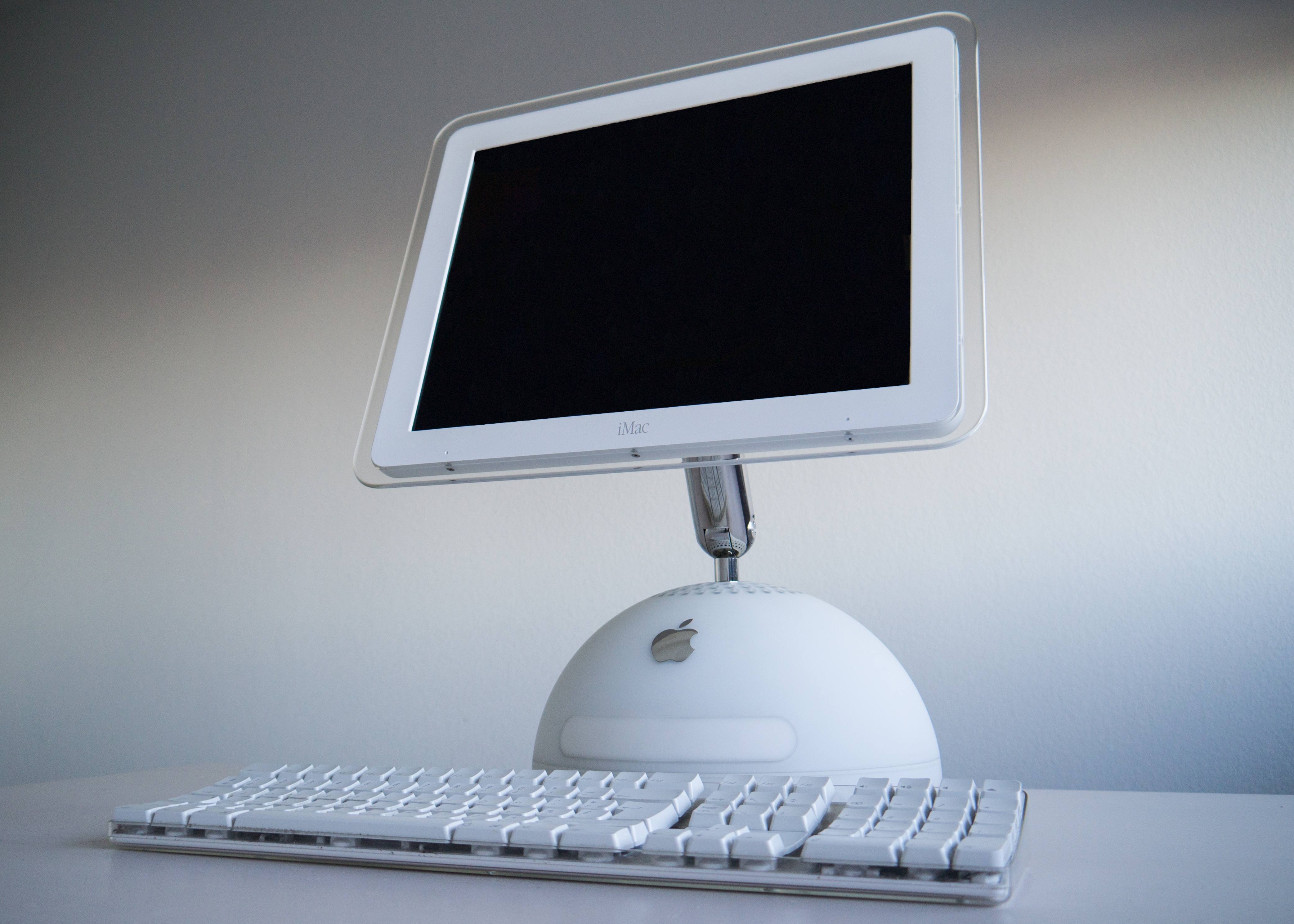
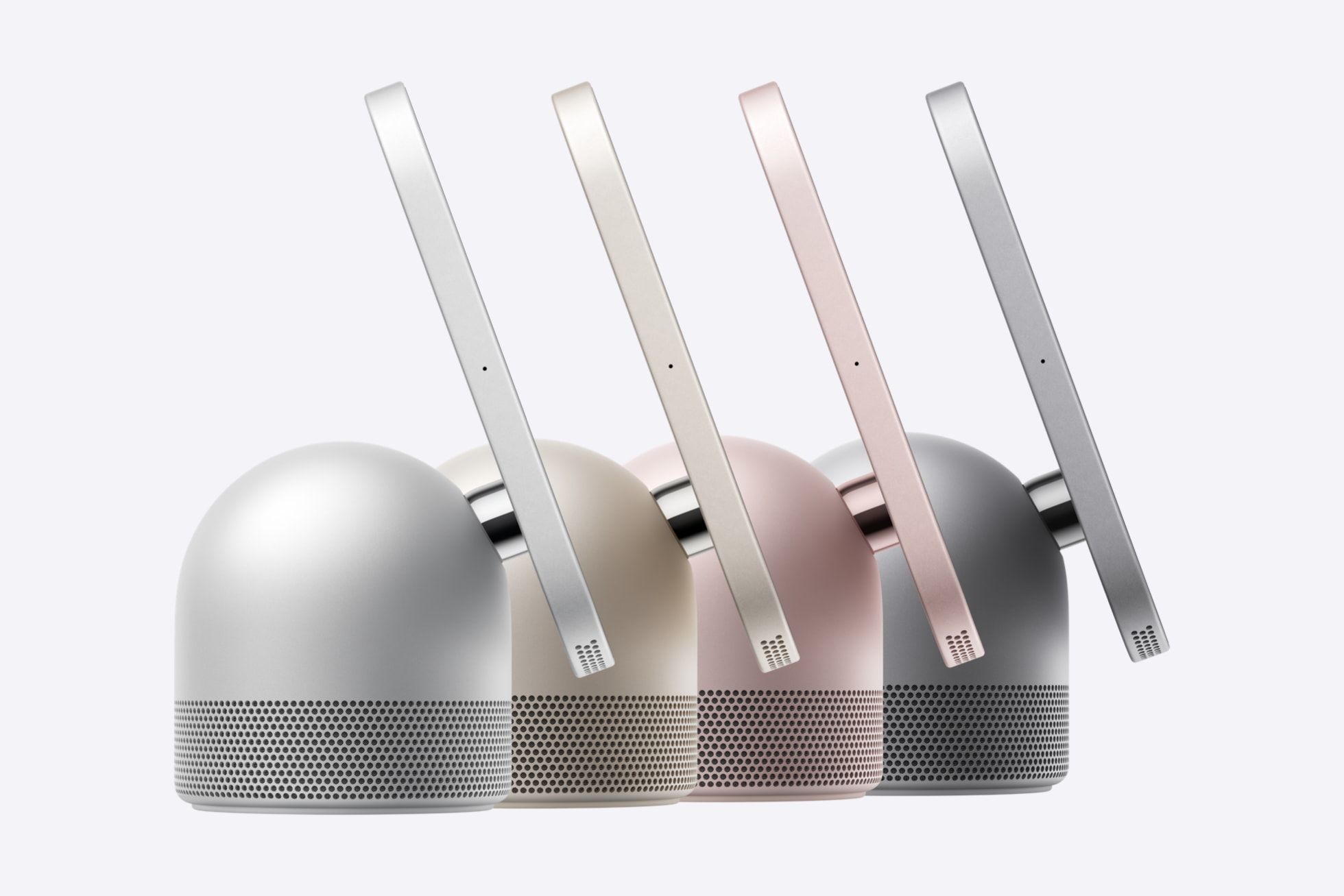
CUPERTINO, Calif. — In what can only be described as the most game-changing moment in the history of moments, Apple on Tuesday unveiled HomeView, a $299 smart home hub that floats a seven-inch screen above a white dome, a bold, revolutionary design that longtime Apple customers immediately recognized from 2002.
Apple announced the device with no keynote, no stage and no countdown clock, a launch strategy industry watchers called “incredibly confident” and “possibly just an email.”
HomeView’s square screen tilts on a stainless steel hinge above a domed speaker base, creating a silhouette this reporter can only describe as breathtakingly new, unless you were alive and near a computer store in January 2002. That is when Apple introduced the iMac G4, a 15-inch screen floating on an arm above a white dome, starting at $1,299. Steve Jobs announced at the time that “the CRT display is now officially dead.”
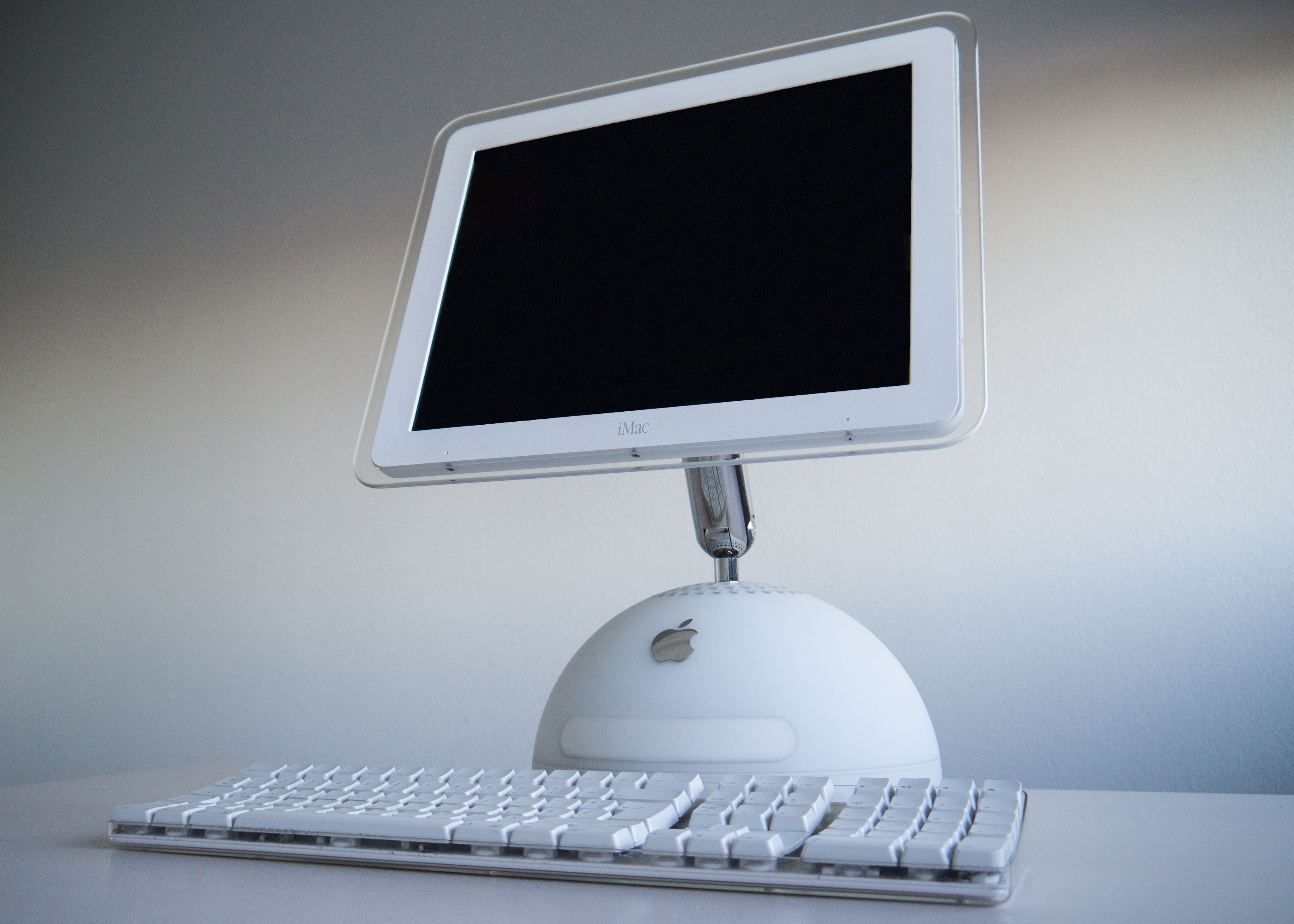
“They must’ve prayed to Steve Jobs and paged through Jony Ive’s massive sketchbook of design history,” said Todd Ferrante, 44, a Region resident who still keeps an iMac G4 on his desk “for the vibes.” “Honestly? Good. It’s the lamp that loved us. It came back.”
Others noted that the square screen, viewed head-on, also strongly resembles an Apple Watch that has been left in the dryer.
According to Apple, HomeView “is designed to be shared by everyone in the home yet feel completely personal to each user.” It recognizes the faces of up to six household members and shows each of them their own Home Screen, an innovation that experts say will finally give families a clear, data-driven answer to who the seventh favorite is.
The device also streams up to nine security cameras at once, turns recipes into step-by-step cooking instructions, and offers a Snoopy clock face, which Apple did not explain and does not need to.
This reporter had to jump on a quick call at this point. He is back now.
A wall-mounted HomeView is also available for the same $299, with the speaker base removed for a cleaner look, and the woofer and passive radiators removed for an even cleaner one. Wall customers will need to buy a mount separately, starting at $59.95 for a USB-C model that requires bringing their own 20-watt power adapter, and topping out at $129.95 for a Power over Ethernet mount that is not yet available. For the $79.95 in-wall wired option, Apple recommends a licensed electrician and has partnered with ADT to install it, making HomeView the first picture frame in history that requires a home security company to hang.
Also on Tuesday, Apple raised the price of its Apple TV 4K box to $299, up from $129. This means that for the same $299, consumers can now choose between a device with a screen, speakers, cameras and Snoopy, or a small black box with none of those things, a level of consumer choice this reporter considers truly disruptive.
HomeView is not available in the European Union, where Siri AI is not yet offered, leaving roughly 450 million Europeans to keep looking at regular lamps.
Pre-orders opened Tuesday, and HomeView ships November 13 in silver, starlight, rose pink and space gray. This reporter has already ordered one for every room, and believes it could be the perfect home for his startup’s flagship app, which reminds your other apps to drink water.
He has not yet figured out what HomeView does that his phone does not.

More in Tech
Tech →
Local Gamer Calls in Sick to Watch Take-Two Earnings Call, Has 47-Page Analysis Ready for GTA 6 Trailer Clues
Software developer calls in sick to analyze Take-Two earnings call for GTA 6 trailer clues. Has 47-page analysis ready.

UN General Assembly Delegates Reportedly Confused by Trump’s Climate ‘Con Job’ PowerPoint
United Nations translators worked overtime Thursday attempting to render President Trump’s climate change presentation into the organization’s six…

TikTok Sale Creates New Job Category: ‘ByteDance Interpreter’
As TikTok’s U.S. operations prepare for partial sale following President Trump’s approval, Silicon Valley headhunters report overwhelming demand for…