
Judge Tosses Case Against Ex-FBI Officials After Finding the Investigation Was Mostly a Deadline
A federal magistrate in Washington threw out the Justice Department's case against two former FBI officials accused of lying to Congress about the Hunter Biden probe, finding no probable cause and one very obvious calendar.

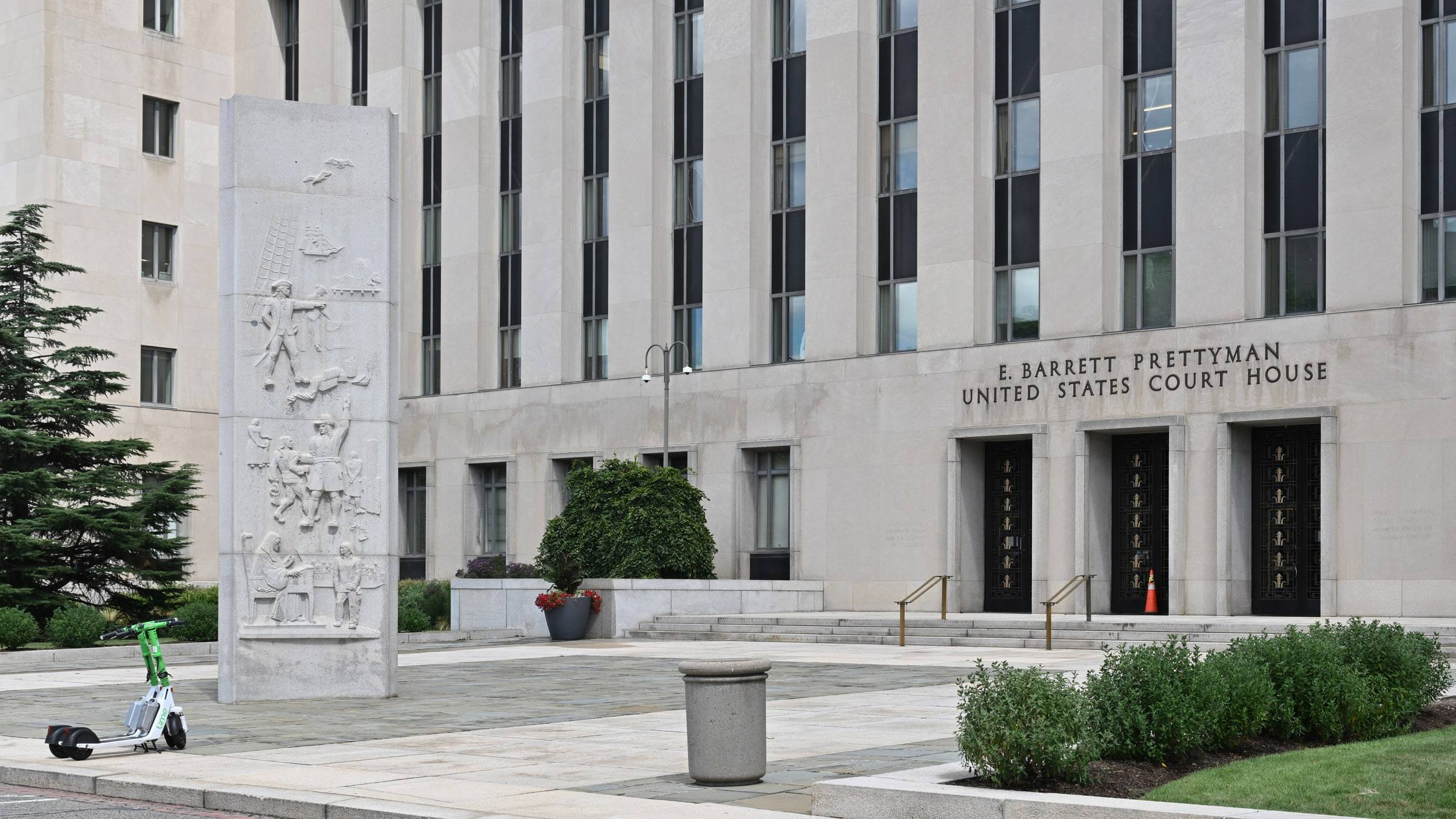
WASHINGTON — A federal magistrate judge on Monday dismissed the Justice Department’s case against two former FBI officials. They had been accused of lying to Congress about the bureau’s investigations involving Hunter Biden. The judge found no probable cause.
Magistrate Judge Zia Faruqui of the U.S. District Court in Washington threw out the criminal complaint against Nikki Floris and Bradley Benavides. Both testified to the House Judiciary Committee in 2023. The government alleged parts of that testimony were knowingly false. The judge found the government had not shown it.
Probable cause is not a high bar. It is the lowest one the system keeps on the premises. A prosecutor needs only a reasonable basis to believe a crime happened. The government brought a case to that bar and walked under it.
“What has transpired here can’t be described as anything other than weaponization,” Faruqui said from the bench. He said he was deeply troubled. Judges say this rarely. They say it about the government even more rarely.
The case was opened at the direction of FBI Director Kash Patel, according to CBS News and NBC News. It was filed in October as a criminal complaint. That route skips the grand jury, the group of ordinary citizens normally asked whether a case deserves to exist.
Last week the government tried to add an obstruction charge. It filed a new, unsigned complaint and asked the court to sign it afterward. The judge declined. Paperwork that arrives before permission is a style. It is not a procedure.
The judge also addressed the timing. Looking for a reason the case had to move so fast, he said there was simply no other event on the calendar except the midterm elections. Those are Tuesday. The Justice Department did not immediately comment.
Deep Throat Lozenge, this bureau’s most trusted source, put it plainly. He has never worked for the Justice Department. He has, however, owned a calendar. “Some cases are built on evidence,” he said. “Some are built on a date. You can tell which kind by what they bring to court.”
This reporter has covered eleven administrations. Each discovered the same thing in its own way. The system has a lot of steps. Every one of them is annoying when you are in a hurry. That is what they are for.
The dismissal was without prejudice. The government can still appeal, or take the matter to a grand jury and try again. Nothing in Monday’s ruling decides what the two former officials did or did not do. It decides only that the government did not show the court enough to proceed.
That distinction will be lost by Wednesday. It should not be. A court did not acquit anyone. It refused to sign off on a case that had not done its homework.
A prosecution is supposed to begin with a crime and arrive at a date. This one, by the judge’s account, was mostly racing the date. The courts are slow on purpose, and on Monday the purpose showed.

More in Politics
Politics →
Judge Rejects Federal Plan to Lose the Alaska Senate Race in Advance
A federal judge dismissed the Justice Department's suit to block Alaska's Senate results if the Republican incumbent loses, finding no lawful way to…
Court Tells Important Man His Lawsuit Has No Merit, Just Like It Would Anyone Else
A federal judge dismissed the suit with prejudice. Legal observers noted this is a thing courts are permitted to do.
Alaska Ballot Now Requires Voters to Specify Which Dan Sullivan They Mean
Election officials stress that on a ranked-choice ballot, a voter may in fact rank both Dan Sullivans, in whatever order feels right to them.