
Alaska Ballot Now Requires Voters to Specify Which Dan Sullivan They Mean
Election officials stress that on a ranked-choice ballot, a voter may in fact rank both Dan Sullivans, in whatever order feels right to them.
JUNEAU, Alaska — With one Tuesday remaining before the general election, voters in Alaska’s U.S. Senate race are being gently reminded that there are two Dan Sullivans on the ballot, that both are spelled the same way, and that the one you are thinking of may not be the one you select.
The incumbent, Republican Sen. Dan S. Sullivan, is seeking another term. The other, Dan J. Sullivan, is a retired schoolteacher from the small fishing community of Petersburg, and he is one of four candidates on the ranked-choice ballot. He got there the ordinary way: he made it through the state’s open primary in August, like a candidate does.
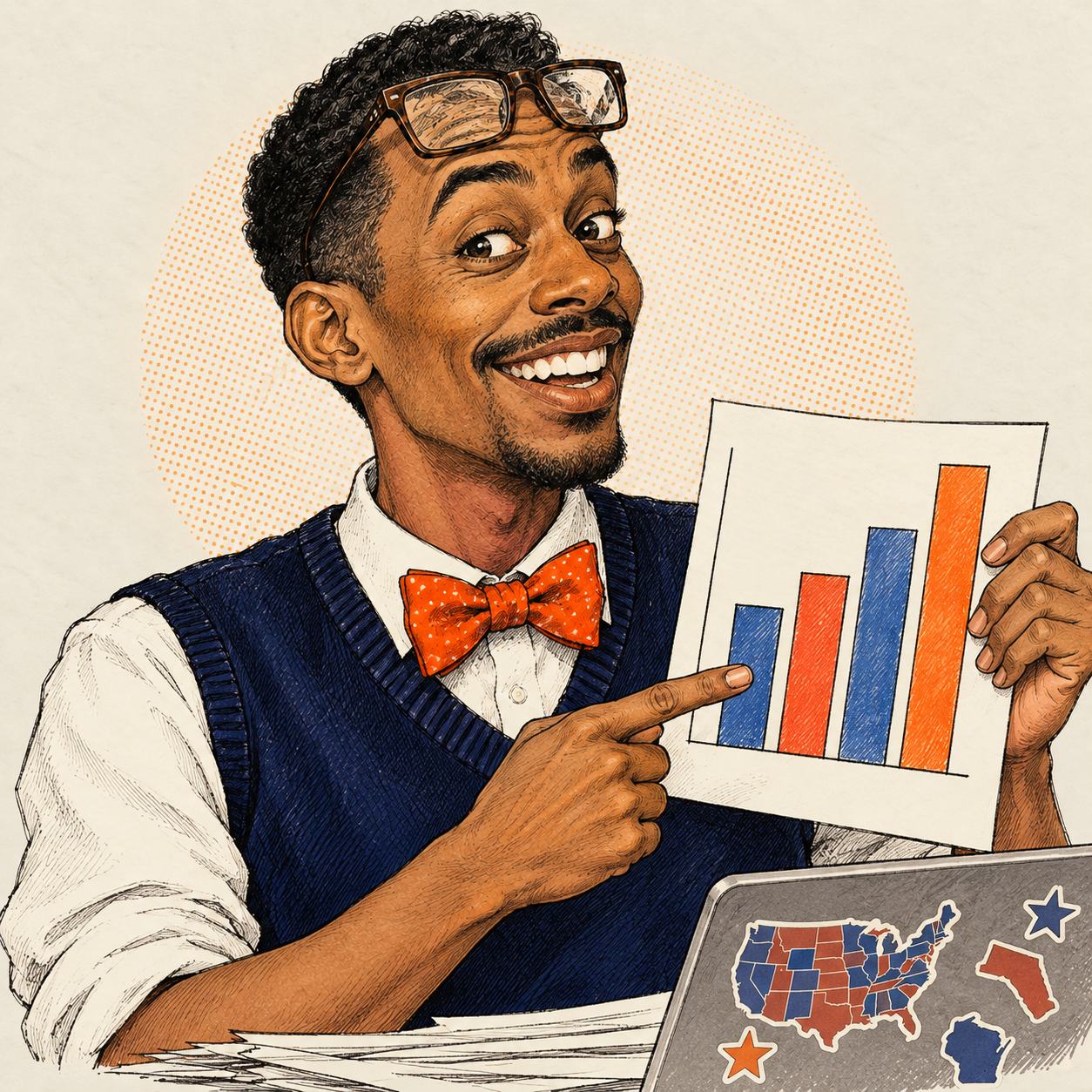
This reporter has run the ballot through a spreadsheet four times and can confirm that the names are identical, that the middle initials are not, and that a voter who does not read the middle initial is, mathematically, flipping a coin.
The question of how the second Dan Sullivan came to be on the ballot is where it gets interesting, and where this reporter’s spreadsheet stops being useful. The New York Times reported this week, citing text messages it obtained, that people working with Democratic nominee Mary Peltola’s campaign and staffers at the Democratic Senatorial Campaign Committee were involved in an effort to recruit the retired schoolteacher into the race — the theory being that a second Dan Sullivan on a ranked ballot draws votes away from the first Dan Sullivan.
As a matter of arithmetic, the theory checks out. As a matter of everyone involved, it does not appear to have happened, according to everyone involved.
The Peltola campaign said it “has no involvement with either Sullivan campaign.” The DSCC said, with the specificity of an organization that has given this some thought, “The DSCC is not involved with Dan J. Sullivan.” Dan J. Sullivan himself, asked back in June whether he had been in contact with Peltola’s campaign, answered, “Zero, none, zilch” — which is, for the record, three separate ways of saying none, ranked.
President Trump, who has been following the matter, said Peltola “should suffer the Legal and Political consequences for what she has done,” a sentence that this reporter notes does not specify which Sullivan it is for.
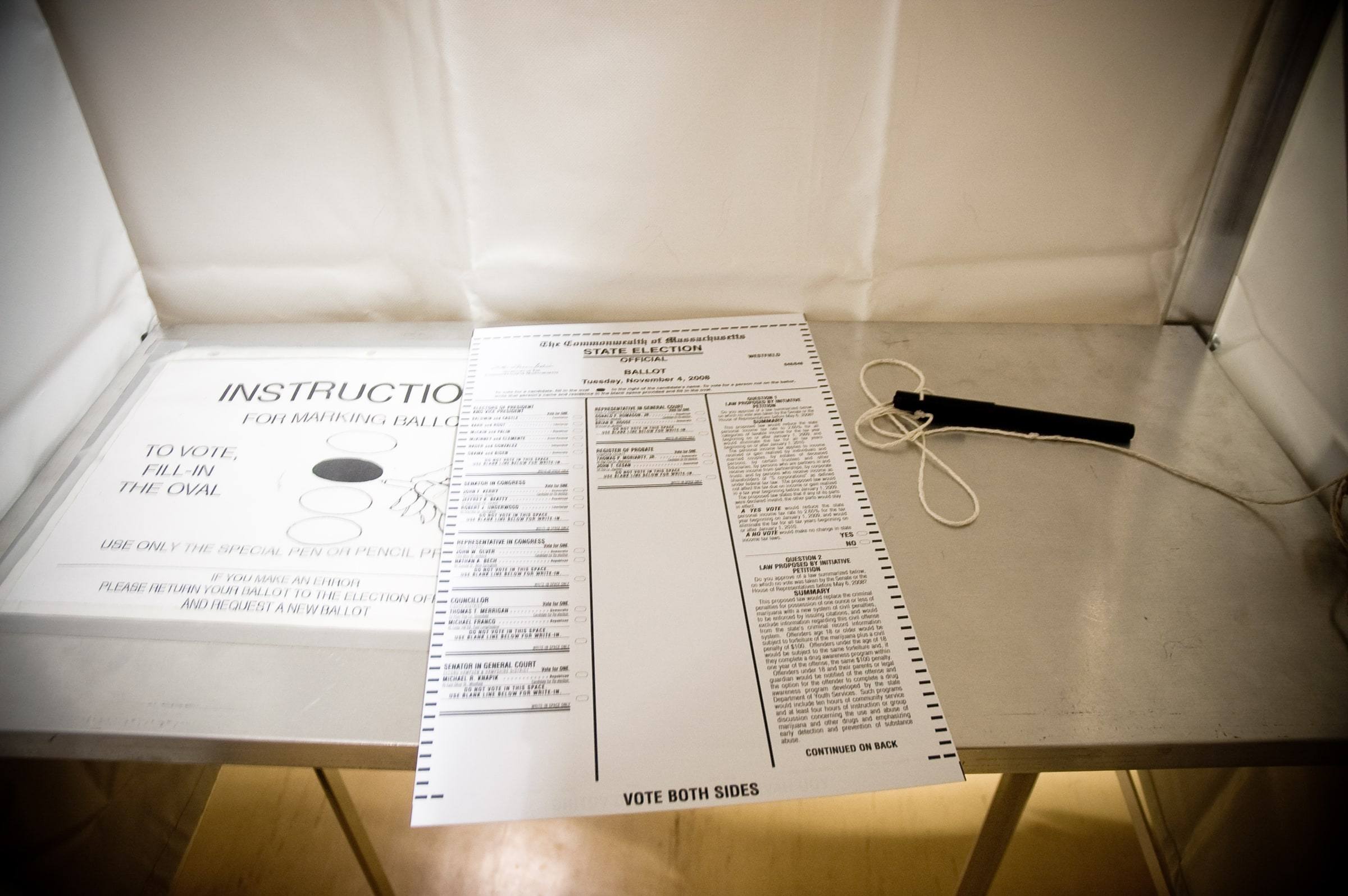
Election officials want voters to understand the mechanics, because the mechanics are the only part that is not in dispute. On a ranked-choice ballot, a voter does not have to choose between the two Dan Sullivans. A voter may rank both Dan Sullivans. A voter may rank Dan S. Sullivan first and Dan J. Sullivan second, or the reverse, or may place a third candidate between the two Dan Sullivans as a kind of buffer. There is no wrong way to rank two men named Dan Sullivan, only a way you did not mean.
Poll workers have been advised to read both full names aloud for every voter, and to resist the urge to editorialize about how it got this way. A spreadsheet, consulted a fifth time, holds that the cleanest outcome Tuesday is one in which every voter leaves having selected the Dan Sullivan they came in for. The spreadsheet does not have strong feelings about which one that is. It would simply like the columns to match.

More in Politics
Politics →
Inflation Is Running at Half the Rate It Was, and the Country Is Exactly as Furious as Before
The number came down. The mood did not. Warren Fitch charted the gap between the two lines and found that they have never once been introduced.
White House Confirms On-Site Cheesecake Factory, Weighs McDonald's With Real Gold Arches
An administration official insists the President wanted one first, long before anyone said the words, and that nobody is thinking about Obama.
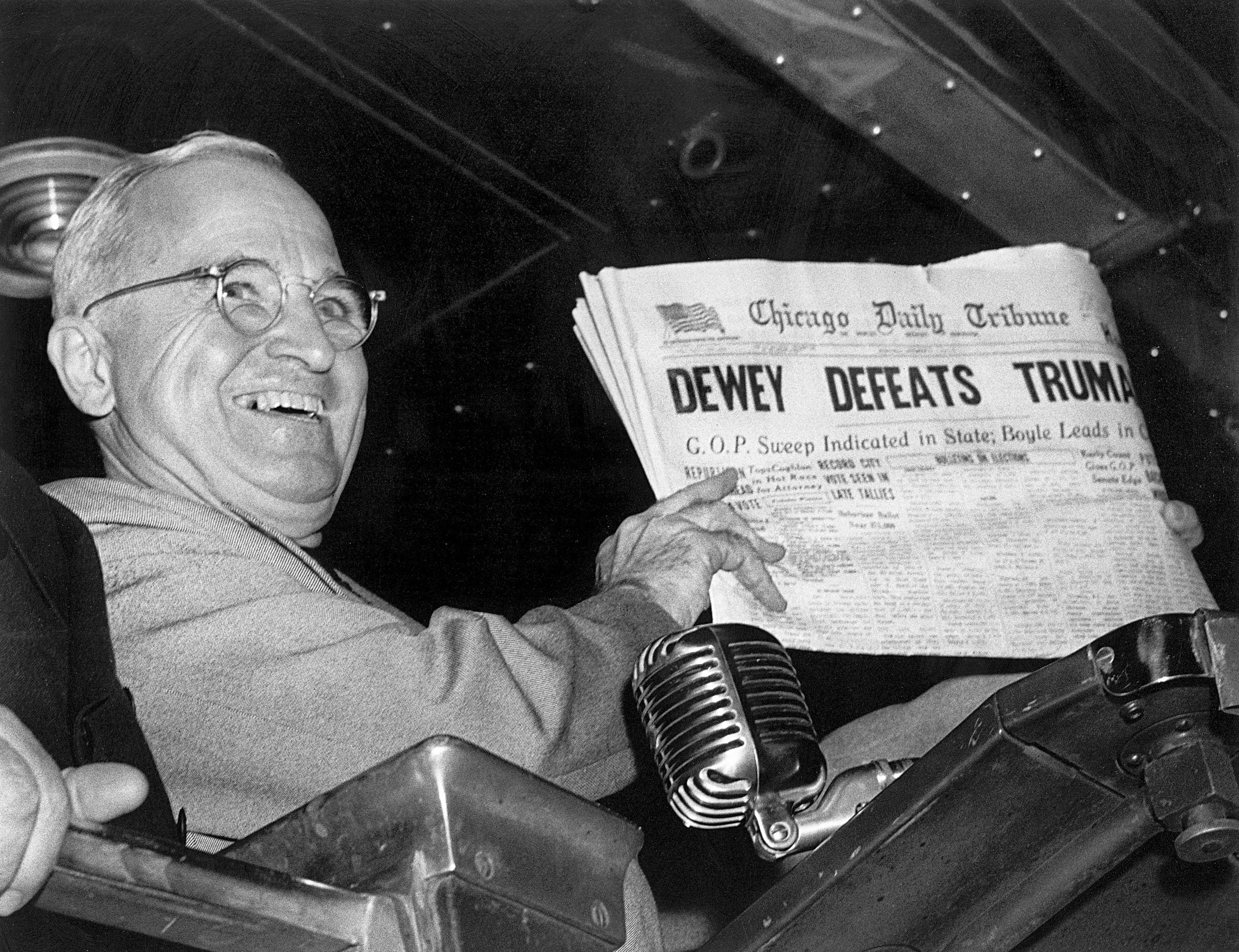
Trump Closes In On 80-Year Polling Record, Our Model Calls It The Most Exciting Race To The Bottom Since Truman
President Trump's approval sits at 34% in the latest New York Times/Siena poll, one point above Harry Truman's 1946 low of 33%. Our elections…