
Elon Musk Pivots to Data Centers in Space After Earth Declines to Host Them
Hours after voters rejected his candidates and a good number of data centers, the world's richest man announced that orbit is looking pretty appealing. This reporter is bullish.

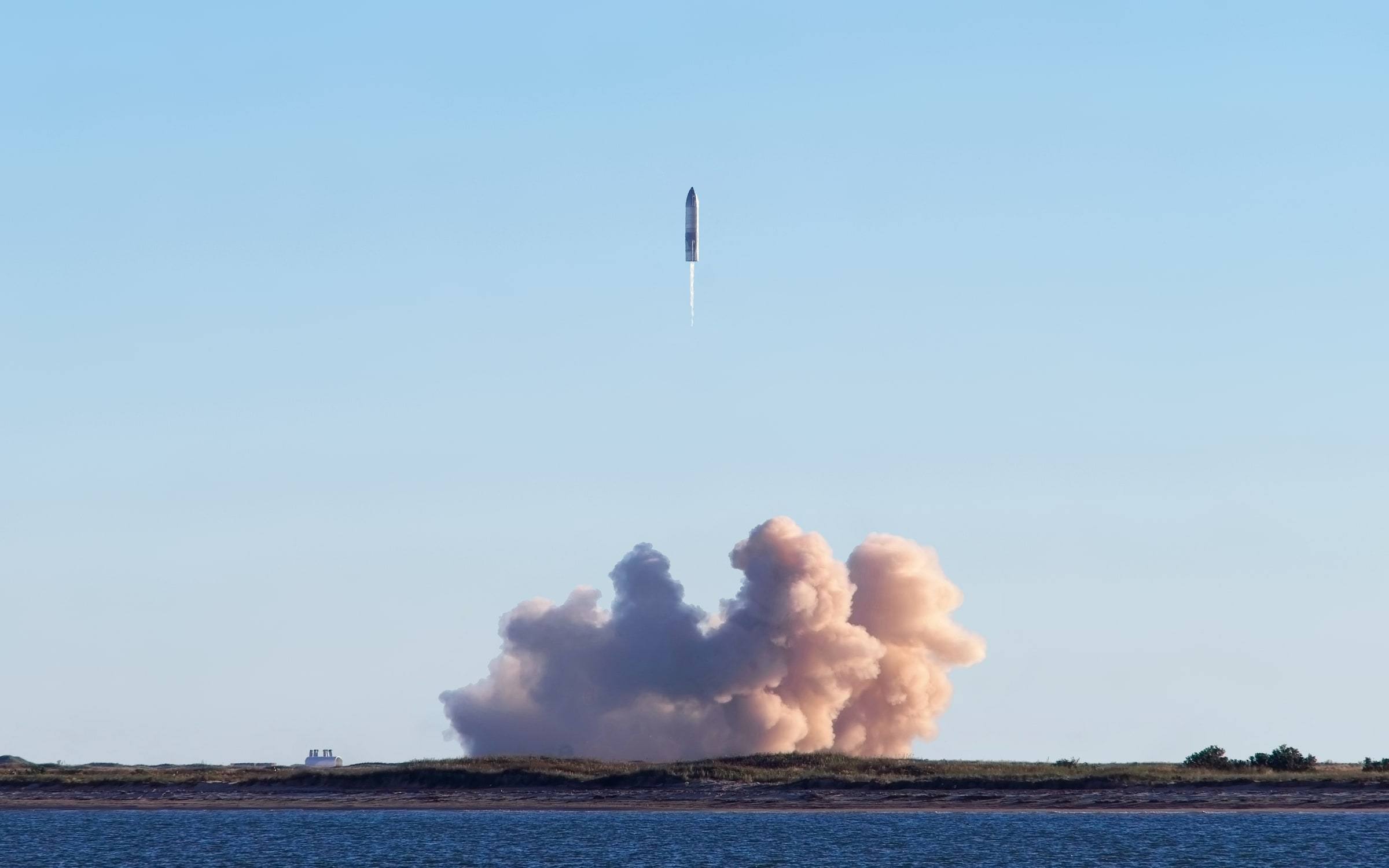
SOMEWHERE WITH GOOD WI-FI — Elon Musk has found the next frontier for AI infrastructure, and it is not on this planet. Shortly after midnight Central on Wednesday, with the midterm results mostly in, he posted to X: “Data centers in space looking pretty appealing right now.”
This reporter read that and felt the future arrive. Earth is a legacy platform. It has zoning boards. It has ballot measures. Space has none of that, and frankly, that is the most game-changing feature a site can offer.
A minute later Musk posted again. “Guess my election-interfering space lasers didn’t work this time,” he wrote, with a shrugging emoji. That is what a founder sounds like after a pivot meeting. This reporter has been in those meetings. You shrug, you say “space,” and everybody claps.
The raise
By most counts, Musk put roughly $446 million into the 2026 midterms, according to tallies by The Guardian and the BBC. The biggest single check was $168 million to the Senate Leadership Fund, which sent almost all of it to support Ken Paxton’s Senate campaign in Texas. Paxton lost to James Talarico on Tuesday.
In this reporter’s world, that is called a seed round. It was a very large seed. It did not sprout. But every unicorn this reporter has covered had a quarter like that, usually right before the quarter where it was acquired for parts.
The market
Data centers were on the ballot this year in more places than anyone planned. Voters in town after town were asked whether they wanted one next door, and a lot of them said no. In central Ohio, local data center measures failed across the board, according to unofficial results.
This reporter sees no problem there. That is product feedback. Earth has told the industry, clearly and in writing, that it is at capacity. Any founder knows what you do when your current market says no. You find a bigger market. Space is very big. Nobody in it has a zoning board.
A quick call
This reporter had a quick call with an investor friend who asked not to be named, because he is mostly a voicemail. He said orbital compute is “the most disruptive idea since the last one.” He said the cooling is free, the neighbors are quiet and there are no electric bills to pass on to anyone. Then he had to jump, because he was boarding.
There are open questions. How do you get a data center to orbit? Rockets. How do you get the power? The sun. How do you get the votes? That one turned out to be the hard part, which is the whole reason for the rockets.
The pitch deck
This reporter is ready to call it. Data centers in space will be the moonshot of the decade, and possibly the first moonshot that is mostly literal. Musk has the rockets. He has the satellites. He has the capital, minus about $446 million.
What he does not have, as of Tuesday, is a senator from Texas. This reporter just noticed that. It does seem like it might have been the point.

More in Tech
Tech →
Gamers Given Until Next Tuesday to Decide Which of Their Other Games They Love Less Than 'GTA 6'
Rockstar Games says 'Grand Theft Auto VI' can be pre-loaded starting November 10 and will need up to 212 GB of space, opening a one-week window for…

Hackers Turn Europe's Smart Supermarket Freezers Into Smart Supermarket Ovens
Overnight attackers remotely switched refrigeration units at supermarkets in Belgium, Sweden, Ireland and beyond into defrost mode, sending freezers…
Russia and Ukraine Finally Find Common Ground: Emergency Apps That Anyone Can Send Alerts From
Hackers pushed fake warnings through official emergency apps in both countries on Sunday, two hours apart, giving the two governments their first…