
Judge Dismisses Justice Department's Harvard Admissions Suit After Government Skips the Part Where You Say 'Or Else'
A federal judge in Boston tossed the administration's bid to force Harvard to hand over years of admissions records, ruling the government went to court before taking the required step of telling the university it was going to court.

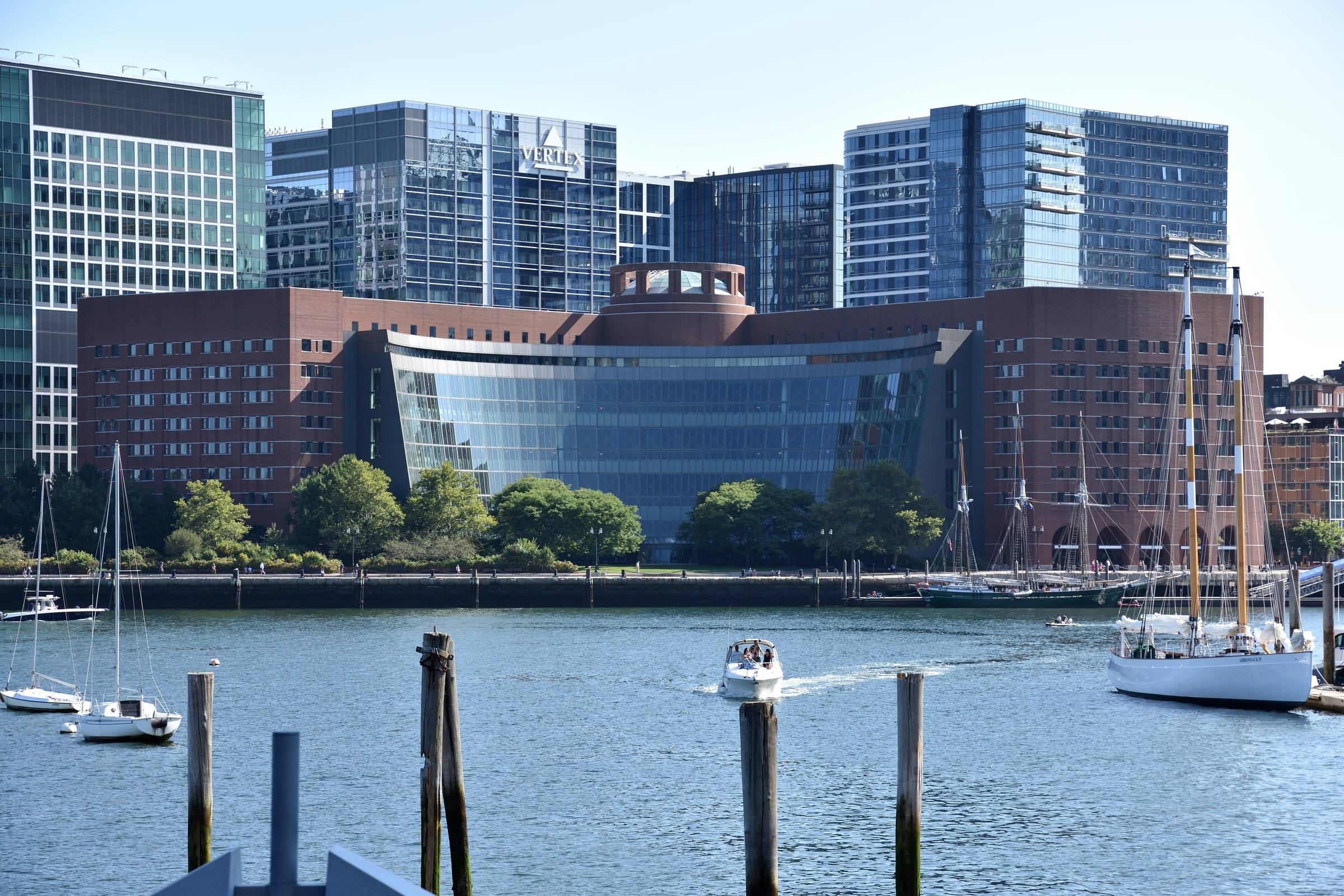
BOSTON — A federal judge on Monday dismissed the Trump administration’s lawsuit seeking to force Harvard University to turn over years of applicant-level admissions records, ruling that the Justice Department sued before taking the steps the law requires to get the university to comply voluntarily.
U.S. District Judge Myong J. Joun of the District of Massachusetts granted Harvard’s motion to dismiss without prejudice, which means the government can file again if it fixes the problem. The Justice Department brought the case in February as part of a compliance review into whether Harvard still considers race in admissions after the Supreme Court’s 2023 ruling ending race-conscious admissions programs.
I was up at 4 a.m. reading the ruling, and I will say it plainly: this is bullish. Not for anyone in particular. Bullish in general, the way a market is bullish when everyone involved gets to do the entire thing over again with more paperwork.
The problem, according to the judge, was a step. Under the federal civil rights framework the government invoked, an agency has to tell an institution it is out of compliance, and determine that compliance cannot be secured by voluntary means, before it asks a court to step in. The government’s complaint, the judge found, did not allege that the Justice Department had ever told Harvard it would sue if Harvard did not comply.
In other words, the most powerful law office in the country skipped the part where you say “or else.”
“Every negotiation has a sequence,” said Trent Abernathy-Coyle, a managing director at Coyle Ridge Partners who has never been to Boston but has sent a great many letters. “You make the ask. You make the threat. Then you make the move. They went ask, move. That is not a strategy. That is a sneeze.”
Joun wrote that the government “has not supplied a sufficient basis for the judicial relief currently sought.” He was also careful about what the ruling does not decide. “The ruling does not determine whether Harvard has discriminated, whether the agencies may lawfully seek appropriately defined applicant-level data, or whether Harvard may ultimately be required to provide such data,” he wrote.
So this is not a verdict on anyone’s admissions. It is a verdict on the order of operations, and the government got the order of operations wrong.
Denise Harbaugh-Lund, a retired federal compliance officer who says she spent 31 years writing the letter that comes before the lawsuit, was not surprised. “The letter is two paragraphs,” she said. “The first one says what you want. The second one says what happens if you don’t get it. It is a template. It has been a template since before I had a pension. You fill in the name of the university and you hit print.”
The Harvard trade
From a pure price-action standpoint, the Harvard position has been extraordinary. In February, President Trump said he was seeking $1 billion in damages from the university and walking away from settlement talks. Harvard has called the admissions lawsuit retaliation. Harvard has also already won court rulings against the administration’s effort to cut off more than $2 billion in federal grants.
As of Monday, the admissions case is worth zero, without prejudice, which in my professional opinion is the most bullish phrase in American law. It means the position is not closed. It is just waiting for someone to fill out the form. My own portfolio is down 98 percent, and I have always considered that a dismissal without prejudice too.
The Justice Department and Harvard did not immediately respond to requests for comment on Monday, and the government has not said whether it will appeal or refile. Either one remains on the table. Nothing in the ruling ends the underlying dispute.
“Honestly, this is the cheapest fix in the building,” Abernathy-Coyle said. “It is one sentence. They have an entire department. Somebody in there owns a stamp.”
At press time, I had set an alarm for 4 a.m. to watch the docket for a refiling, and a second alarm for 4:05 to check whether anyone had remembered to send the letter first.

More in Politics
Politics →
Justice Department Asks Supreme Court to Set Aside 20,000 California Ballots From a List Where 42 Percent of the Names Aren't on the Voter Rolls
Two courts have already said no, the election is Tuesday, and this reporter has run the government's list through a spreadsheet, which had questions.
Judge Tosses Case Against Ex-FBI Officials After Finding the Investigation Was Mostly a Deadline
A federal magistrate in Washington threw out the Justice Department's case against two former FBI officials accused of lying to Congress about the…
Judge Rejects Federal Plan to Lose the Alaska Senate Race in Advance
A federal judge dismissed the Justice Department's suit to block Alaska's Senate results if the Republican incumbent loses, finding no lawful way to…