
NASA Is Hiring Astronauts to Live on the Moon; Applicants Are Advised the Sea of Tranquility Has No Fish
Applications are open through Dec. 3 for the next astronaut class, which NASA says could live and work at a Moon Base. Our outdoors editor read the whole posting looking for the part about the lakes.

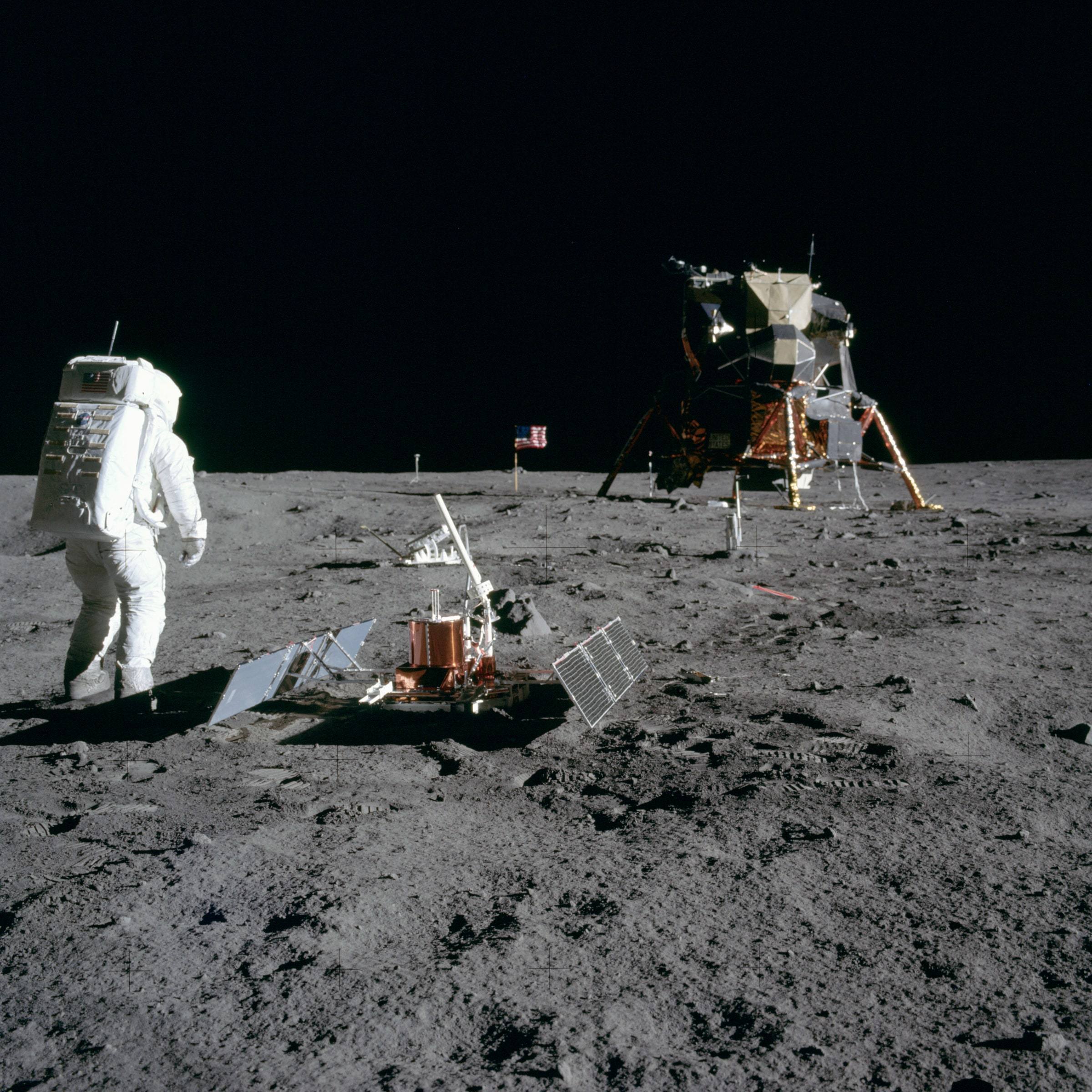
SOMEWHERE ON THE LAKE — NASA is hiring. The job is astronaut. The office, eventually, is the Moon.
The agency opened applications for its next astronaut class on Saturday at an event at Kennedy Space Center in Florida, and they close at 11:59 p.m. Eastern on Thursday, Dec. 3. The people chosen, NASA said, will join “as America returns to the Moon, builds the Moon Base, and lays the groundwork for the first crewed missions to Mars.”
“This is an extraordinary time to join NASA’s astronaut corps,” NASA Administrator Jared Isaacman said in the announcement. “The people we select could walk on the Moon, live and work at the Moon Base, and help pioneer the systems and operations that will ultimately carry crews to Mars.”
This reporter read the entire posting, the way a man reads the rules board at a new lake, looking for the part about the limit and the part about what is biting. There is no part about what is biting. There is a reason for that, and it is the reason for this story.
The seas
The Moon has seas. It has the Sea of Tranquility, where Apollo 11 set down in 1969. It has the Sea of Crises, the Sea of Serenity, the Bay of Rainbows and the Ocean of Storms. The early astronomers who named them looked up, saw the big dark patches and figured they were water. A fisherman understands this completely. Every dark patch on a lake looks like a drop-off with something big sitting in it. Most of them are a shadow. The ones on the Moon are old lava, which is worse.
There are no fish in the Sea of Tranquility. There is no water in it to put a fish in. This reporter would like every applicant to know that before they quit a good job and sell the boat.
The fine print
The starting salary is $164,395, NPR reported. Any U.S. citizen can apply, and there is no official age limit. Applicants need a master’s degree in a science, technology, engineering or math field, and NASA now counts nursing, NPR reported, plus three years of related work after the degree. Doctoral students, doctors and test pilots have other ways in. Everybody has to pass NASA’s long-duration astronaut flight physical, which this reporter suspects includes more than being able to sit in a bass boat from sunup to noon.
Training lasts about two years. The selected crews would prepare for missions such as landing near the Moon’s south pole, NPR reported. NASA plans to pick the class in late 2027.
The odds are long. NASA’s last class, in 2025, was 10 people picked from more than 8,000 applicants. That is a catch rate of about one in 800. This reporter has fished a reservoir in late August with worse numbers than that, and he went back the next weekend. So should you.
The commute
The Moon is about 239,000 miles away, on average. Big Doris, the largest fish this reporter has ever seen, twice, in a lake he will not name, is about 40 miles from his house. He has not gotten to her yet. He is not in a position to tell anyone else how long a commute is too long.
There are things the Moon has going for it. There is no raccoon on the Moon. The raccoon that lives under this reporter’s dock leads their annual series 11 to nothing, and the thought of a place it cannot follow does tug at a man. There are no mosquitoes. And the sunrise, which comes about once a month up there, would give a fella plenty of time to get his line in the water, if there were any water, which there is not.
If you go, take the job. Do the science. Build the base. And when you look up from the gray dust at that blue ball hanging in the black, find the Midwest, look for the shine on the lakes and know that somebody down there is sitting on a dock with a thermos, a can of nightcrawlers and no particular place to be, wishing you well and quietly glad he kept the boat.

More in Tech
Tech →
TwitchCon Expands Free Ticket Giveaway After Streamers Politely Decline Free Tickets
With the doors opening Thursday, the complimentary three-day pass has become the most disruptive product in live streaming, and the only one nobody…

CBS Sports Publishes AI Exact-Score Predictions for Every Week 9 Game, Shows You One
A CBS Sports article promising self-learning AI score predictions for every NFL game this weekend printed one exact score. Our tech reporter calls…
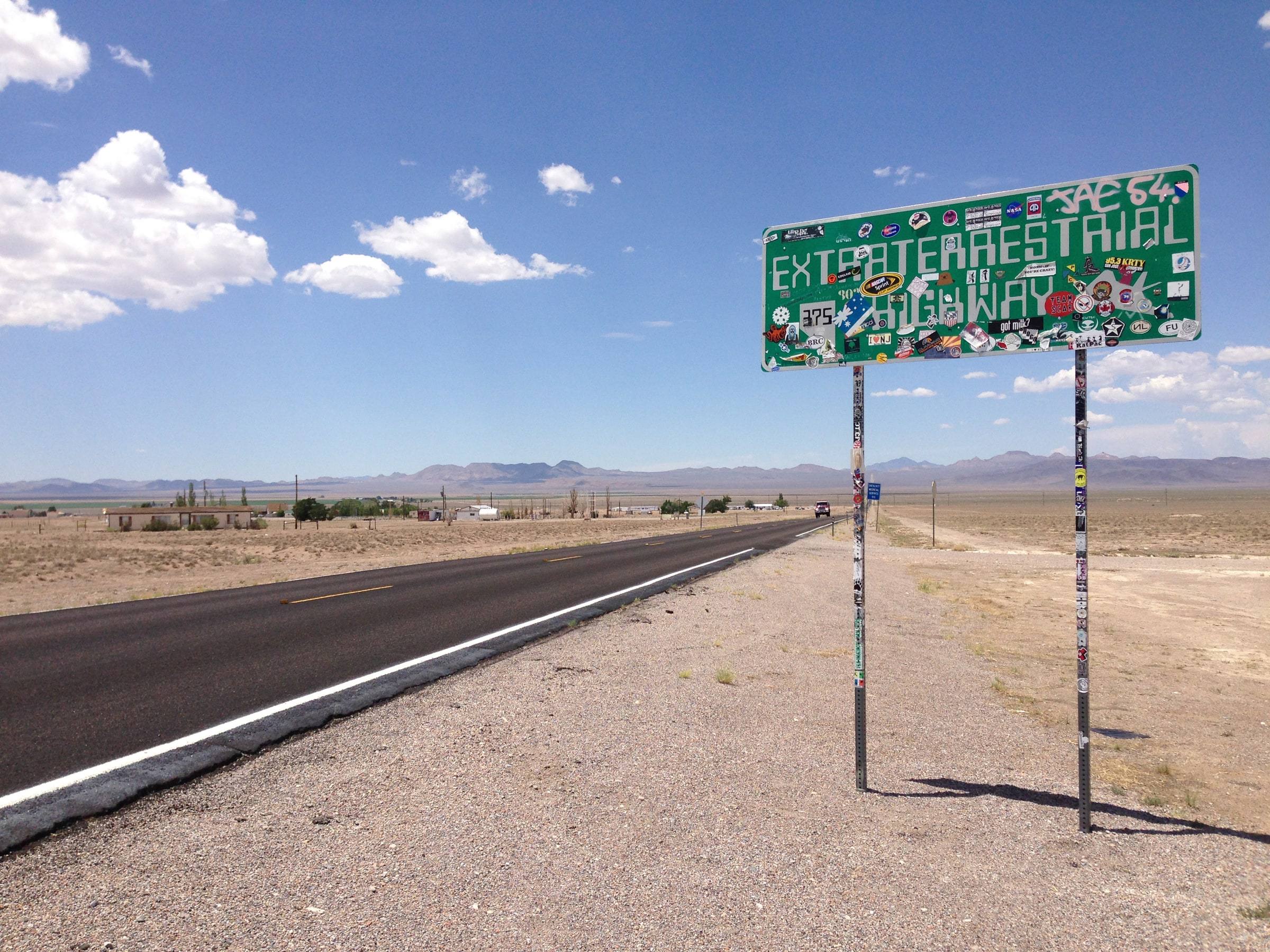
Netflix Announces Stranger Things Prequel Set Before the Stranger Things Prequel
Other Worlds: A Stranger Things Adventure goes back to 1955 Nevada, arrives in 2028 and already has a trailer, though not yet a cast. Our tech…