
Supreme Court Clears Border Construction in Big Bend, Where the Landscape Had Been Doing the Job for Free
An 8-1 ruling lets work resume on steel barriers, patrol roads and surveillance along the stretch of border that sees the fewest crossings in Texas.
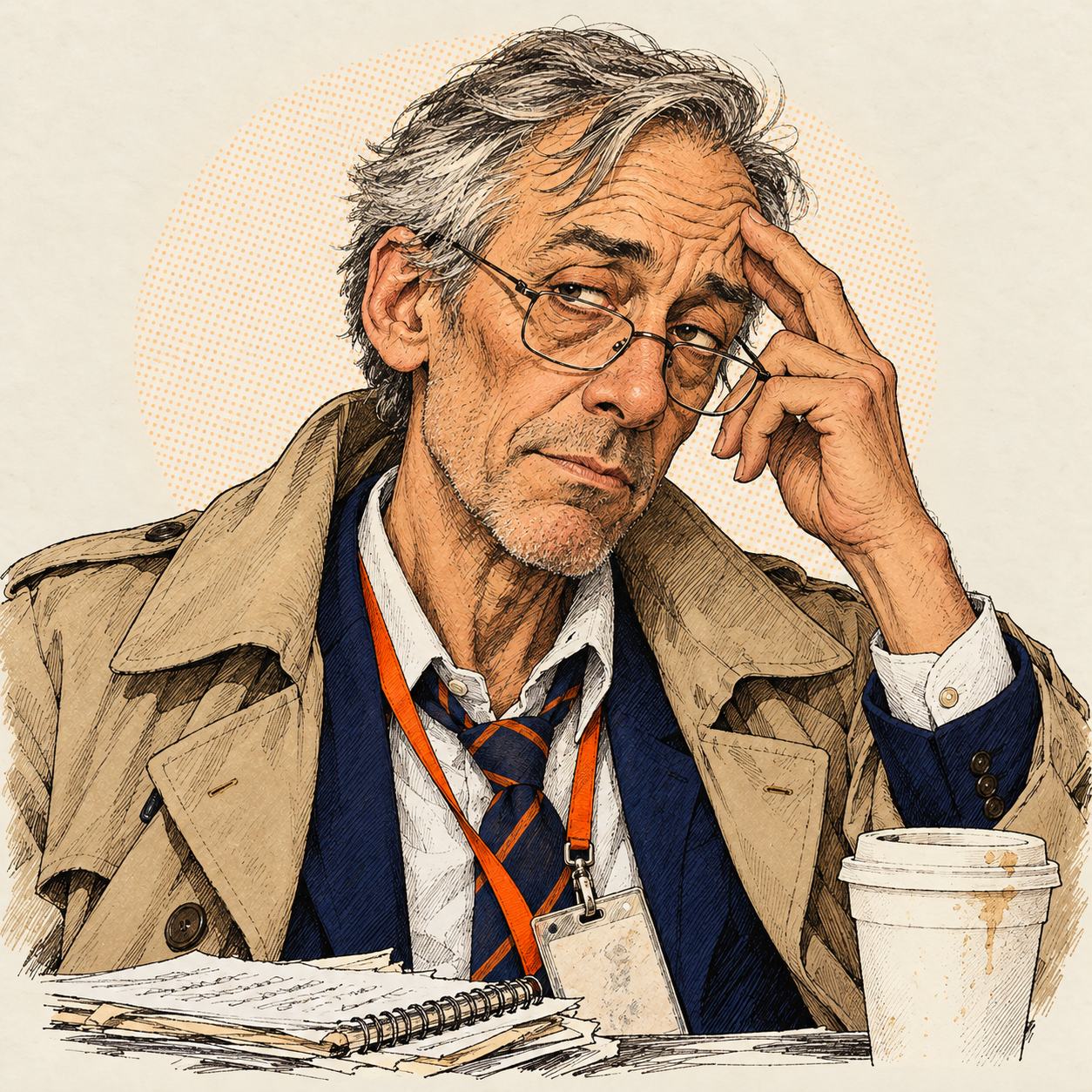
WASHINGTON — The Supreme Court on Monday let the Trump administration resume border construction in the Big Bend region of West Texas. The region has held that border for some time. It has mostly used rock.
The vote was 8-1. The five-page decision was unsigned. Justice Ketanji Brown Jackson dissented alone and did not explain why, the Los Angeles Times and The Texas Tribune reported.
The order sets aside an Oct. 2 injunction from U.S. District Judge Kathleen Cardone in El Paso. Her order had halted the work while a lawsuit proceeds. The lawsuit continues.
The weighing
The plans call for 30-foot steel barriers, patrol roads and surveillance systems, NPR reported. The government says the section involves 341 miles of construction and includes Big Bend National Park, NBC News reported.
Administration officials have said the wall itself won’t run through the park, Politico reported. Road work on park land began in August. “The Government’s interest therefore outweighs any aesthetic, recreational, and environmental harm alleged by respondents,” the court wrote, according to The Texas Tribune.
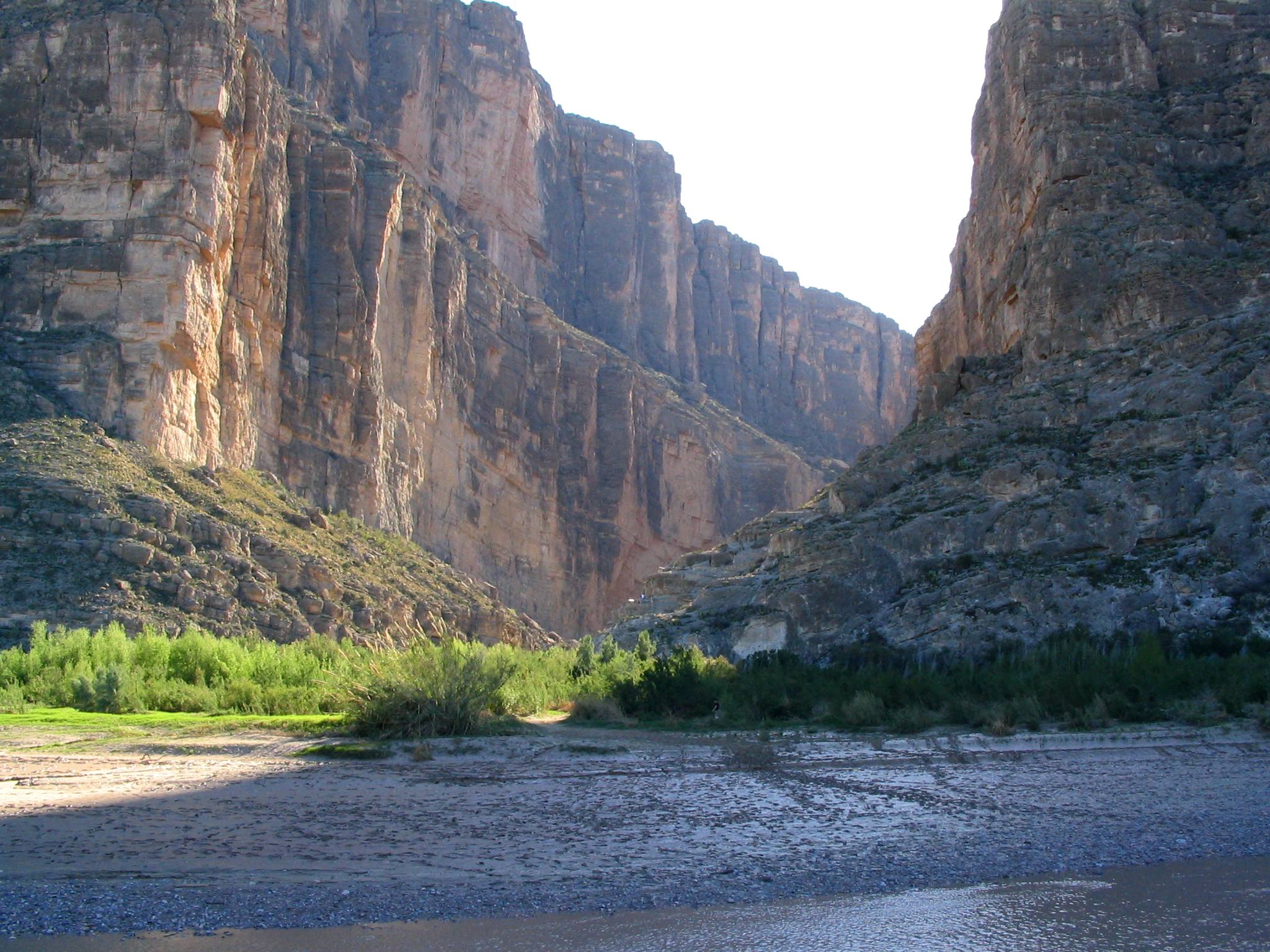
So the court weighed the landscape. The walls of Santa Elena Canyon rise 1,500 feet from the Rio Grande, according to the National Park Service. This bureau has never seen them outweighed before. The canyon has not appealed.
The gap
Solicitor General John Sauer told the court that leaving a 300-plus-mile gap in border defenses “would act as a dangerous magnet for cartels and other bad actors,” NPR and the Los Angeles Times reported.
The gap is the Big Bend Sector. It covers more than a quarter of the U.S.-Mexico border. It regularly sees the fewest encounters along the Texas border, according to CBP data cited by NPR.
Judge Cardone found that the sector “has the lowest rate of illegal entry along the entire U.S.-Mexico border,” the Los Angeles Times reported. Historically, NPR noted, the rugged landscape is why. Canyons, mountains and desert heat did the work. The arrangement cost nothing. It has now been found insufficient.
“The rock has been on site since the Cretaceous with no contract,” said a federal official known to this bureau only as Deep Throat Lozenge. “That is a procurement problem. Nobody can find its paperwork.”
The objections
The suit was brought by the Center for Biological Diversity, Friends of the Ruidosa Church and Danny Miller, a river guide who owns property on the border, NBC News reported. The church group is working to preserve a historic church near the river.
“This decision greenlights the contractors and allows the bulldozers to come roaring back into the region,” Laiken Jordahl of the Center for Biological Diversity told NPR.
The plans have drawn an unusual bipartisan backlash, NPR reported. People across the political spectrum say a wall isn’t needed in a region known for sweeping canyons, tough terrain and unforgiving heat.
What comes next
Monday’s ruling is temporary. The case can still be decided in El Paso, or the Supreme Court may take it up in full, The Texas Tribune reported.
Construction can resume in the meantime. The canyon will remain where it is. Nobody asked it to leave, and it would not know how.

More in Politics
Politics →
Lauren Boebert Moved to Colorado's Safest Republican Seat So She Wouldn't Lose, Loses
Lauren Boebert left a 546-vote race in 2022 for the most Republican congressional seat in Colorado. Eileen Laubacher, a retired Navy rear admiral…
Trump Finds Dan Sullivan Ahead in Alaska After Adding the Other Dan Sullivan
With Mary Peltola up 637 votes and a quarter of the ballots uncounted, the president merged both Dan Sullivans and a third candidate into one column…
Judge Rules Miami-Dade Elections Chief's Recount Prediction 'Really Dumb,' Lets Her Run the Recount
A federal judge called Alina Garcia's "winner, with or without a recount" remark "a really dumb statement to make, even in part." Then he left her…