
FCC Approves One Million Data-Center Satellites, Finds the Night Sky Outside Its Jurisdiction
SpaceX has until 2040 to put the constellation in orbit, and must first explain what it plans to do with the ones above 600 kilometers.

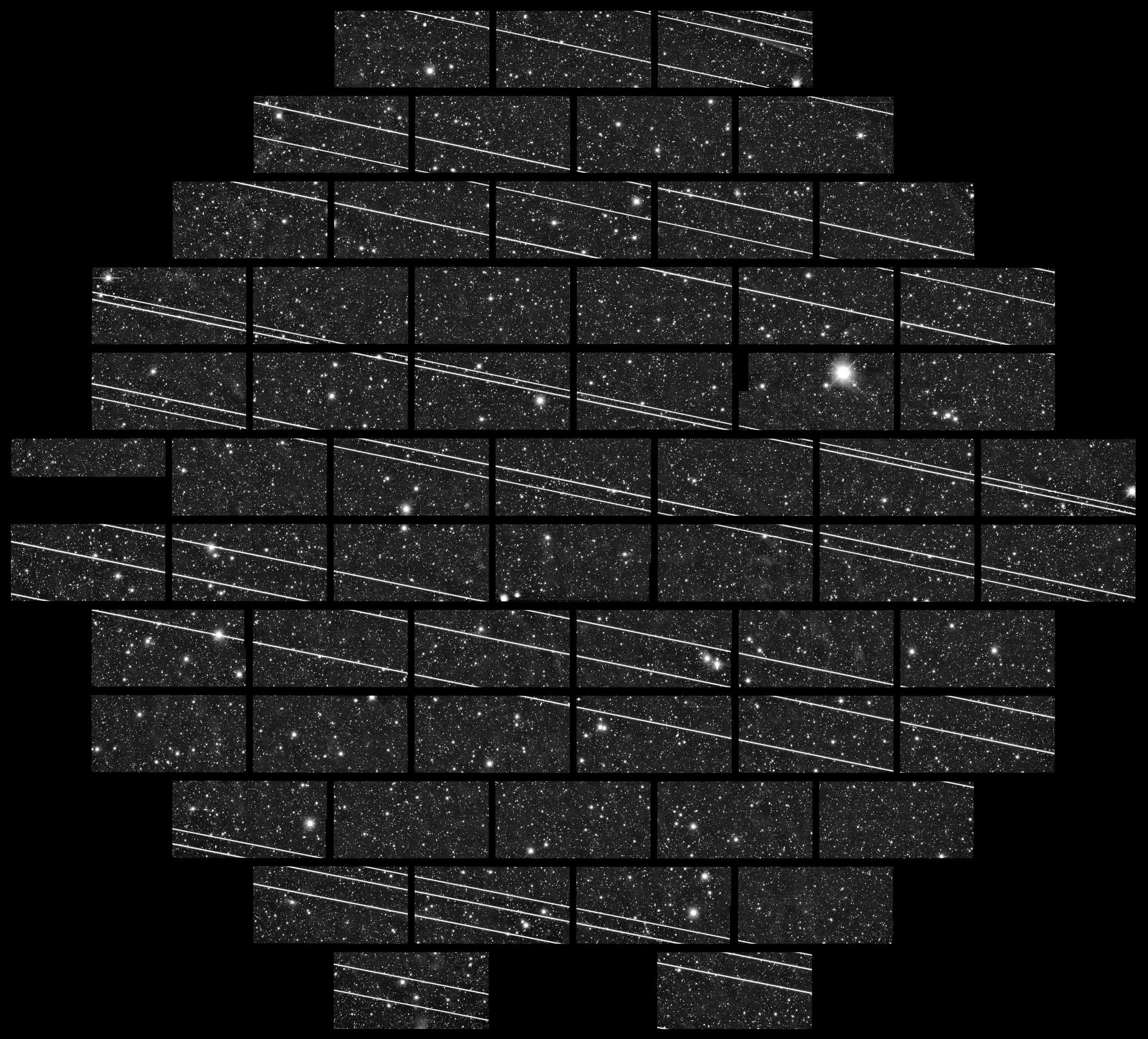
WASHINGTON — The Federal Communications Commission on Wednesday authorized SpaceX to launch and operate up to 1 million satellites that will serve as data centers in orbit, a number roughly 59 times larger than the approximately 17,000 satellites now circling Earth.
The constellation, called Starmind, is designed to process data in space and send the results to the ground, running on near-constant sunlight that SpaceX told regulators would make it cheaper than data centers on Earth. In its application, the company described the system as the “first step towards becoming a Kardashev II-level civilization – one that can harness the Sun’s full power.”
FCC Chairman Brendan Carr said the approval “promises to bring the human race closer to a Kardashev II civilization – one that can harness the full power of the sun.” In a post on X, Carr said Starmind and its competitors would “extend America’s lead in Super Intelligence.” Elon Musk replied, “Much appreciated.”
A Schedule
SpaceX had asked the agency to waive its deployment milestones. The license includes them anyway: one satellite by Nov. 25, 2033, 100,000 by 2035, 500,000 by 2038 and the rest by 2040. Meeting the final deadline would require putting about 685 satellites into service every day for two years. The company’s Starlink network, approved for 42,000 satellites, currently has just over 11,000 in orbit.
The commission accepted SpaceX’s debris plan only for satellites below 600 kilometers, where atmospheric drag brings dead hardware down within a few years. SpaceX had proposed retiring higher satellites into disposal orbits or into orbit around the sun. The FCC deferred that request for lack of information and said the company must file a modification before any Starmind satellite goes above 600 kilometers.
“The plan for the ones up high is to send them toward the sun,” said Garrett Holloway-Finch, a senior analyst at Low Orbit Risk Partners who tracks debris filings. “The plan for the ones down low is to send them toward us.”
The Sky
Amazon, which petitioned the FCC in March to deny the application, called Starmind a “lofty ambition rather than a real plan” and said it would take SpaceX “centuries” to build. Viasat and the American Astronomical Society also objected. In its order, the commission dismissed “comments and concerns raised regarding topics over which the Commission has no authority, including environmental concerns,” along with concerns about “optical astronomy.”
“Any serious attempt at this is going to further pollute the night sky,” astrophysicist and author Adam Becker told CNBC.
Marisol Quennell-Ruiz, who runs a dark-sky monitoring program at the Upper Basin Stargazing Cooperative, said her group had read the order closely. “The commission was very clear that the night sky is not its responsibility,” Quennell-Ruiz said. “It was less clear on whose it is.”
SpaceX did not respond to CNBC’s requests for comment. The first satellite is due in eight years.

More in Tech
Tech →
Microsoft Declares Code Red After Its Teams Outage, and Engineers Coordinated the Response in 11 Teams Chats
A nearly daylong outage took down Outlook, Teams and Copilot this month. Microsoft has now declared an internal Code Red. Our tech reporter has read…

FCC Clears Prisons to Jam Cellphone Signals, Which Prisons Have Been Doing Anyway
The agency says the new rule closes a contraband-phone loophole. Industry calls it a bold step forward. Our correspondent, who has never read a term…
Siri Can Now Tell You When You Have Asked Too Many Questions Today, a Game-Changing Feature You Can Upgrade Out Of for $59.99 a Month
Apple is testing daily limits on Siri's smarter requests, with bigger allowances for bigger iCloud+ plans. Our tech reporter has never been more…