
Kalshi Leaves Utah, and Utah's 14 Criminal Charges Leave With It. They Will Return as a Pair
Utah charged the prediction market and its founders with running an illegal gambling business. Kalshi stopped taking Utah customers on Monday. Utah dropped the charges on Tuesday and kept the option to bring them back.

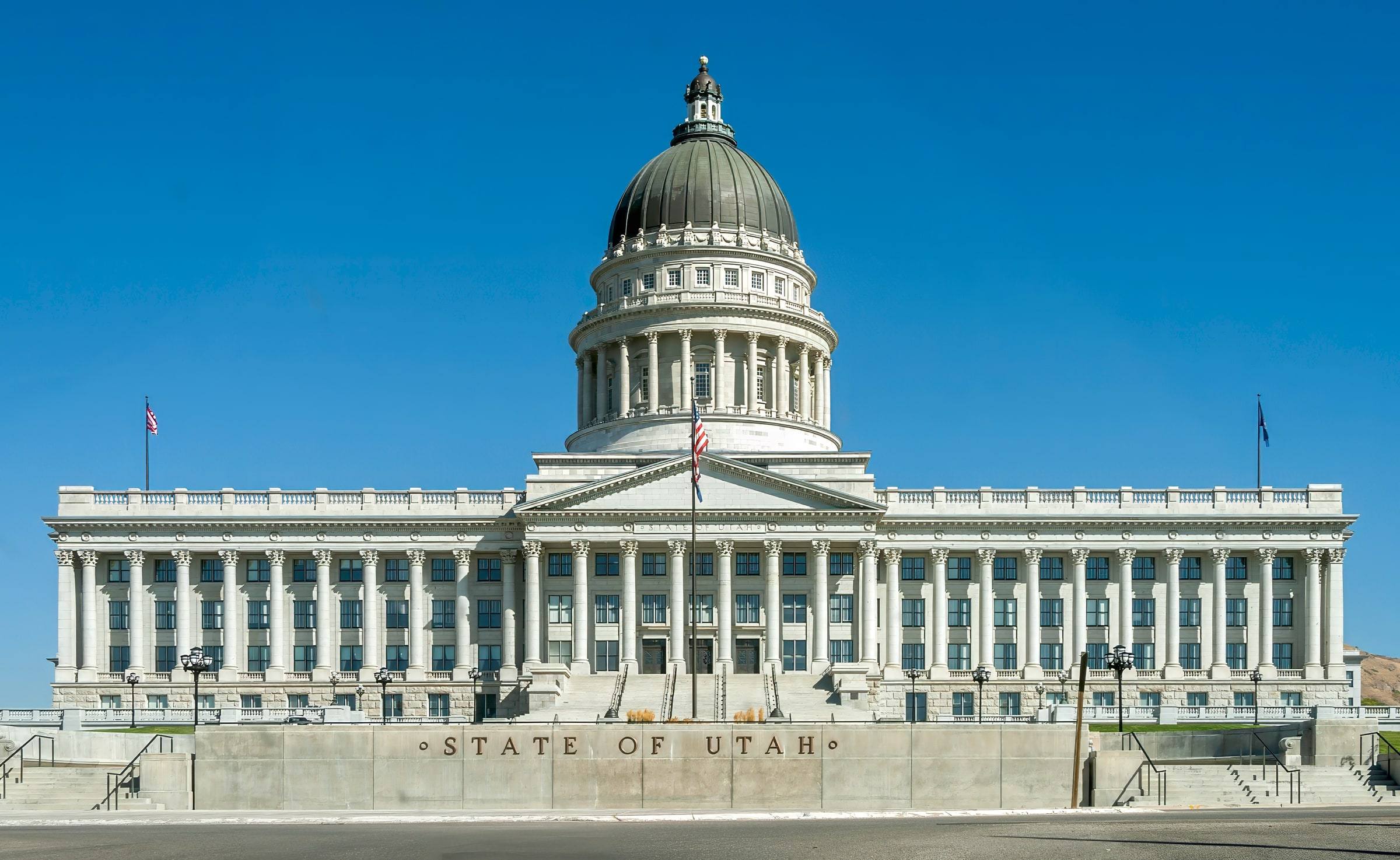
SALT LAKE CITY — Utah prosecutors on Tuesday dropped all 14 criminal charges against the prediction market Kalshi and its two founders, one day after the company stopped letting anyone in Utah use it, UPI reported.
I was up at 4 a.m. when the news crossed, which is when I am up. Let me be clear about what this is. This is a liquidity event, for the charges.
The state filed the case nearly a month ago, accusing Kalshi and co-founders Tarek Mansour and Luana Lopes Lara of operating an illegal gambling business. A court appearance had been set for Dec. 4. Instead, Kalshi suspended operations in Utah on Monday, citing setbacks in federal court, where a judge had ruled the state could enforce its gambling laws against the company. Utah moved to dismiss the next day.
The dismissal is without prejudice, which means Utah can refile. Attorney General Derek Brown spelled out the terms, according to UPI: “Kalshi has pulled out of Utah, and if it returns, so will the charges.”
Utah lists a contract
Kalshi sells contracts that pay out if an event happens. Utah has now written one of its own. The event is Kalshi coming back. The payout is 14 counts. The state did not publish a price.
Kalshi’s general counsel, Yaakov Roth, posted that “good faith jurisdictional disagreements should never be criminalized.” Kalshi has long described itself as a federally regulated exchange, not a casino. Brown’s position is that “Utah does not allow gambling, and prediction markets are gambling.” After a month of litigation, the two sides now agree on one thing, which is that Kalshi is not in Utah.
The company said the pullout affects more than 177,000 Utahns. Kalshi is also unavailable in Louisiana, Michigan, Nevada and Washington state. Utah’s civil case is still pending, including an effort to recover the profits Kalshi made there. More than 20 states are at odds with the federal regulator over who gets to oversee prediction markets, and experts expect the Supreme Court to settle it.
Upside for everyone
I see nothing but upside here. Kalshi has cut its criminal exposure in Utah to zero by cutting its Utah revenue to zero, a strategy I call the full hedge. Utah has shut down what it calls an illegal gambling business without a trial, a jury or a single parking space at the courthouse on Dec. 4. And the charges are still out there, fully intact and well rested, waiting for a catalyst. That is a position. I respect a position.
I would like to bet on whether Kalshi comes back. I am told the obvious place to place that bet is Kalshi. I am told Utah would consider that evidence.
I discussed all of this on my podcast with both of my listeners. Both of them are me. We were unanimous: bullish on Utah, bullish on Kalshi and very bullish on the charges, which have never had a better month.

More in Business
Business →
Grand Theft Auto VI Makes $3.79 Billion in One Day, Says the Company That Sells Grand Theft Auto VI
Rockstar's own count of day-one sales came in $1.43 billion above an outside estimate released that same morning. Our markets reporter, awake since…
Jensen Huang Is Back at Nvidia After 11 Days, Trump Says He Made the Deal, and Our Markets Reporter Never Sold
Nvidia's board handed Jensen Huang his job back on Monday, 11 days after he resigned, and President Trump says he personally convinced them…

Citi Warns a Key Market Signal Is About to Flash Red, Declines to Say Which One or What Red Means
A bank note warned that an indicator is nearing a warning level after a six-session losing streak. Our correspondent read it twice, at 4 a.m., and…