
FCC Clears Prisons to Jam Cellphone Signals, Which Prisons Have Been Doing Anyway
The agency says the new rule closes a contraband-phone loophole. Industry calls it a bold step forward. Our correspondent, who has never read a term of service, calls it innovative.

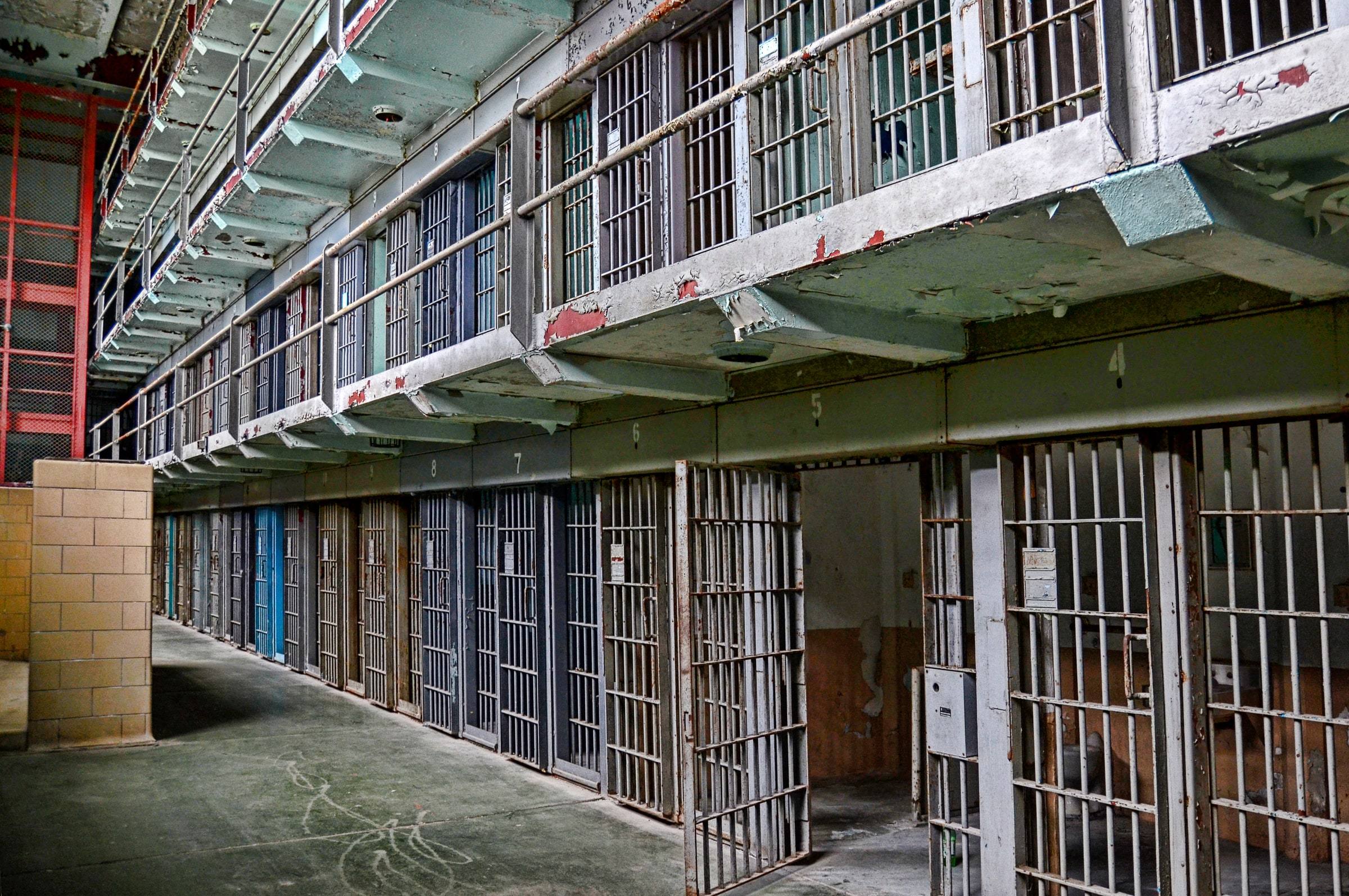
TECH DESK — The Federal Communications Commission voted this week to let prison officials jam cellphone signals inside their walls, and I want to be the first to say: finally, a disruptor in the carceral space.
For years, the commission explained, contraband phones have been a problem in prisons. Incarcerated people obtain phones they are not supposed to have and use them to do things they are not supposed to do. The old rules made it complicated for facilities to block the signals. The new rules make it less complicated. This is what we in the technology sector call shipping.
I read the FCC’s statement in full, which I do not normally do, and it is airtight. The commission says the rule will improve safety. The commission is the commission. If the commission says the rule will improve safety, who am I, a technology reporter, to open a second tab.
The jamming works by flooding the airwaves with noise so phones cannot connect. I had a quick call with a vendor and asked how they make sure the noise stops precisely at the property line, so the guard towers and the neighbors and the passing ambulances keep their service. He said that is a great question. He said they are iterating on it. I love a company that is iterating.
There is a wrinkle, which I will mention briefly and then stop thinking about. Jamming, as a technical matter, is the kind of thing the FCC itself has spent decades telling everyone else never to do, because radio noise does not respect fences. The agency acknowledges this. The agency has decided it is fine now. I respect a pivot.
The real story, though, is the roadmap. Once you can jam a signal legally, you can jam a signal. The addressable market for “turning off everyone’s phone in a defined area” is, if you think about it, enormous, and I have thought about it, and it is. Stadiums. Classrooms. Theaters. My own startup’s standups, where I would very much like people to stop checking Slack while I am presenting the deck.
I reached out to my own startup for comment, because I founded it, and I said this could be big for us. I agreed. We are now exploring the space.
A civil-liberties group raised concerns about reliability, oversight, and what happens when the noise spills past the wall. I did not call them. Their press release did not have a product in it, and I have a quota.
The rule takes effect soon. The phones are already in there. One of those two facts arrived first, and it was not the rule.

More in Tech
Tech →
Siri Can Now Tell You When You Have Asked Too Many Questions Today, a Game-Changing Feature You Can Upgrade Out Of for $59.99 a Month
Apple is testing daily limits on Siri's smarter requests, with bigger allowances for bigger iCloud+ plans. Our tech reporter has never been more…

Amazon Names Robert Pattinson Its First James Bond, Ending Five Years in Which 007 Generated Zero Engagement
Amazon MGM has cast Robert Pattinson as 007, with Denis Villeneuve directing. Our tech reporter, who has never read the terms and conditions, calls…

Microsoft Outage Gives World a Refreshing Break From Email, Say the Few Still Online
A global Microsoft outage knocked out Outlook, Teams and much of Microsoft 365 on Friday. Our tech reporter, who has never read a terms of service…