
Serbian Strongman Concedes Election to a List of Students, Who Will Govern Between Classes
Aleksandar Vučić called the snap election himself in September. On Sunday the Student List won it, 52 percent to 32. Our foreign correspondent has been following the returns on the vending machine's calculator.

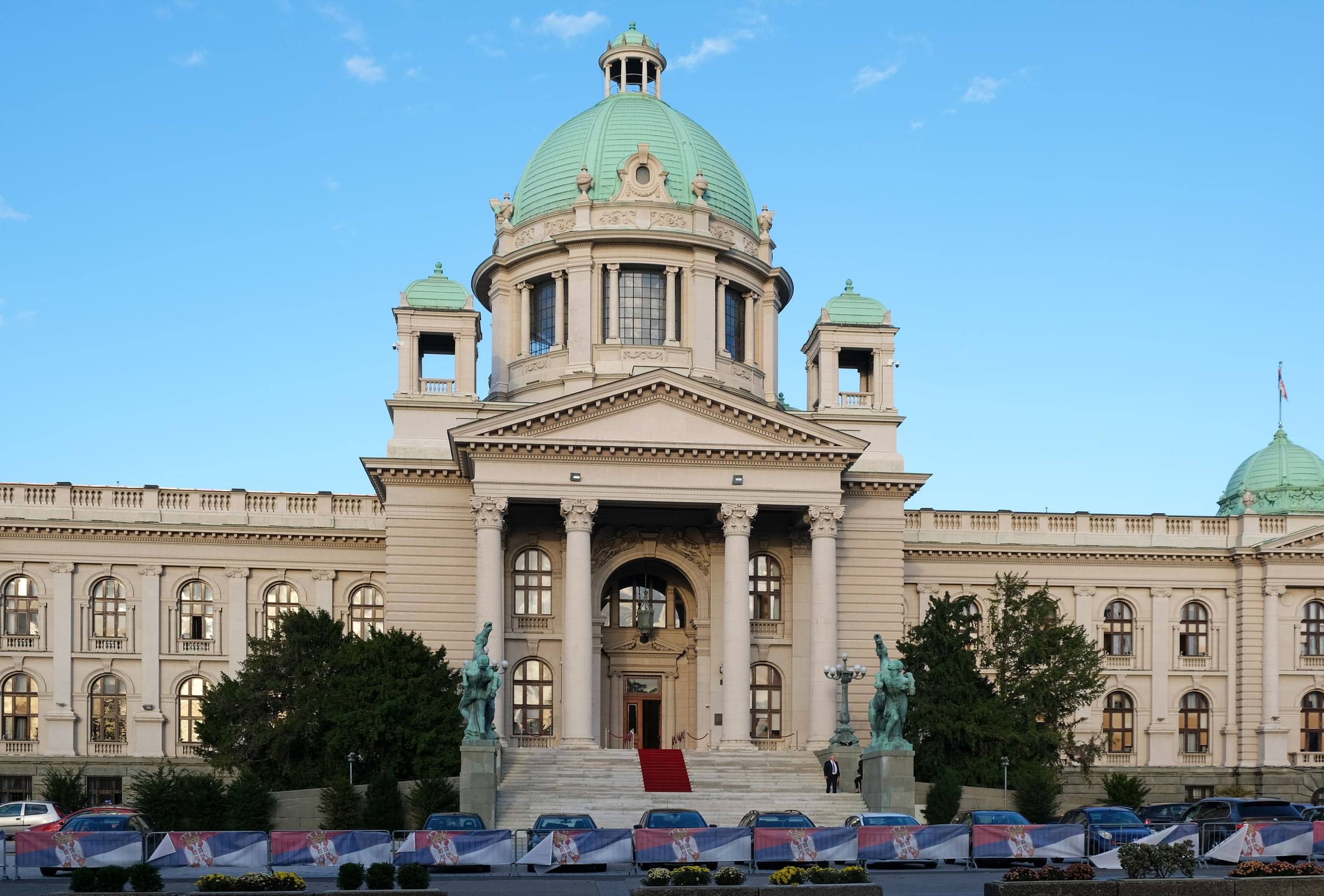
THE FOREIGN DESK (BASEMENT) — I write to you from the front, which this week ran through Belgrade, the capital of a country that I cover, like all countries, as that region. The front moved to a ballot box, which is the most dangerous place a strongman can stand. Aleksandar Vučić has now stood in one. He did not have to. He called the election himself, in September, the way a man flips a table to prove the table is secure.
Serbia held a snap parliamentary election on Sunday. The Student List, a slate that began as a student protest movement and then did the unthinkable by filling out the paperwork, won it. According to the returns, the students took about 52 percent of the vote to the governing party’s 32 percent, which works out to somewhere between 135 and 140 seats against roughly 105. I have checked these figures on the vending machine’s calculator. The calculator agrees. It rarely takes sides, so I consider this significant.
Mr. Vučić conceded. “Based on the stratified sample, it is clear that we have lost the election,” he said, which is the longest way I have ever heard a man say “they beat us.” A strongman is not built to say the second part out loud. He is built to announce a stratified sample. I have studied that region for years on a desk globe, and the globe shows no stratified sample. The globe is from 1987. The globe shows a country that no longer exists, governed by men who were very sure of themselves.
Here is what I keep returning to. The winning side is a list of students. They organized a national movement, contested a snap election on short notice, and assembled a parliamentary majority, all while, I must assume, several of them still have group projects due. I have never assembled a majority of anything. I once failed to assemble a majority on where the office should order lunch. The vote split four ways and then the one person who wanted Thai left the meeting to take a phone call, in the grand tradition of that region’s diplomacy.
The movement spent the better part of two years in the streets before it spent a single day on the ballot. This is the part the governing party did not see coming. A street can be waited out. A street gets rained on, gets tired, gets a Tuesday. A ballot is different. A ballot has a form, and a deadline, and a little stubby pencil on a string, and once a movement learns to love the form and the deadline and the stubby pencil, it stops being a street and starts being a filing. You cannot wait out a filing. I have tried. The filing waits longer.
Mr. Vučić called the vote, I am told, to put the question to rest. This is a recognized maneuver. It is the maneuver of the man who, losing an argument, says “fine, let’s settle this,” confident that settling it will go his way. It did not. He has now settled it very thoroughly, in the direction he did not intend, with a turnout he can hardly complain about, having invited everyone personally.
The students, for their part, will now have to govern, which is harder than protesting and much harder than studying, and which no syllabus prepares you for. There is no reading for it. There is only the chamber, and the budget, and the slow discovery that the stubby pencil on the string is now attached to you. I wish them well. I wish anyone well who has just won the thing they were asking for, which is the most dangerous place a movement can stand, second only to the ballot box.
Gerald Thistlewood, the royal watcher I have followed for 30 years from the same armchair, has pivoted to Balkan parliamentary procedure. He has drawn a seating chart. He has drawn it twice, because the first one had too many students and not enough chairs, which he tells me is the central problem of the new era and also, he adds, of every lecture hall he has ever been thrown out of. He expects to finish his analysis by 2041.
My passport remains unstamped. I covered the whole election from the basement, by calculator and by globe, and I regret nothing, except that I missed, by one meeting, the lunch vote that might have taught the governing party everything it needed to know. You do not call a vote you are not prepared to lose. The students knew this. They are, after all, still in school.

More in World
World →
Researchers Travel Five Days to Remote Pacific Island to Confirm Amelia Earhart's Plane Is Trees
The so-called Taraia Object, spotted on satellite images in 2020, was most likely a pile of large trees, Purdue University says. Our foreign…
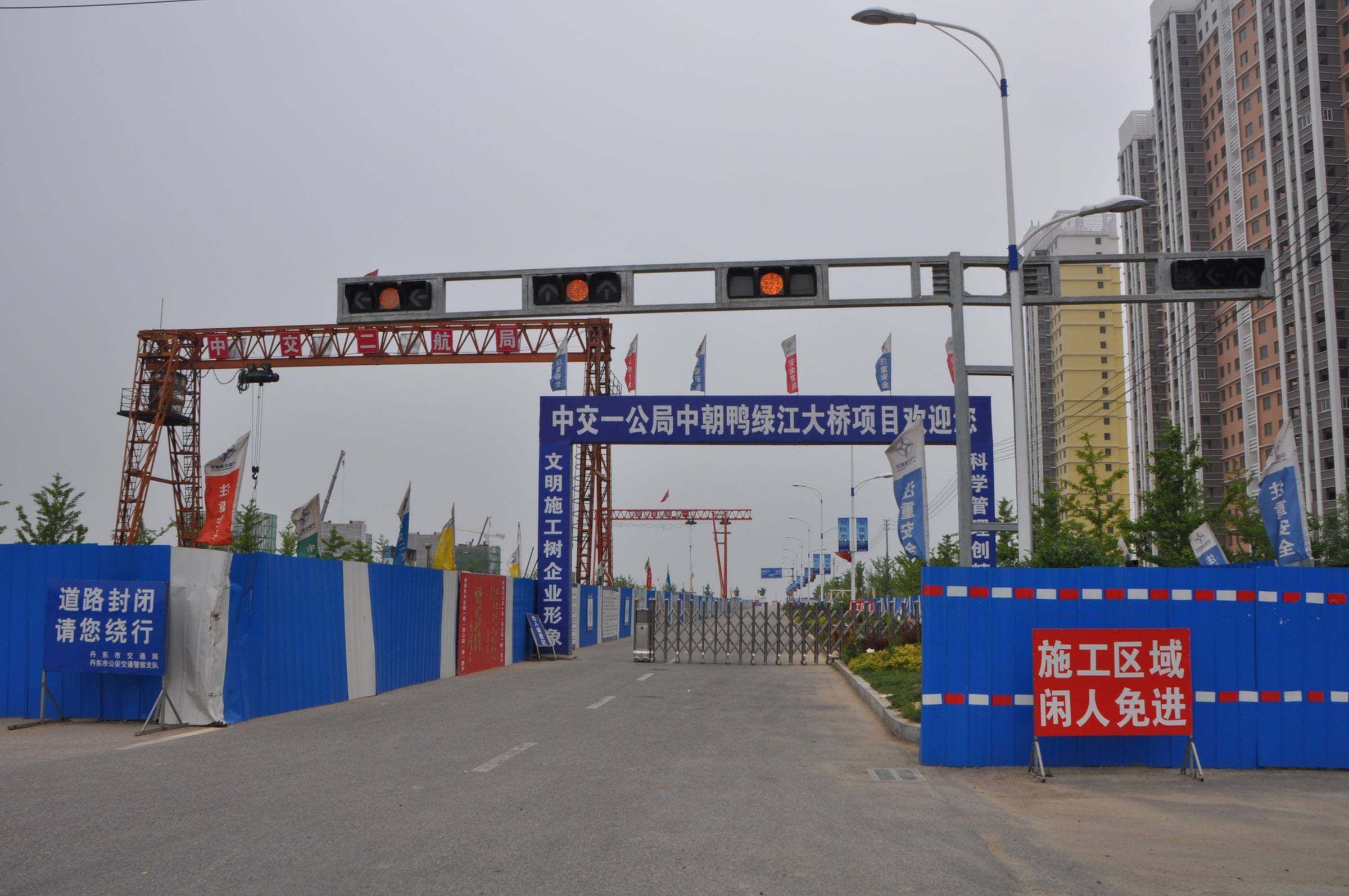
China and North Korea Open New Bridge After a 12-Year Pause to Confirm They Were Still Friends
The New Yalu River Bridge was due to open in 2014. It opened this week, which Beijing calls a new chapter in a friendship that is as close as lips…
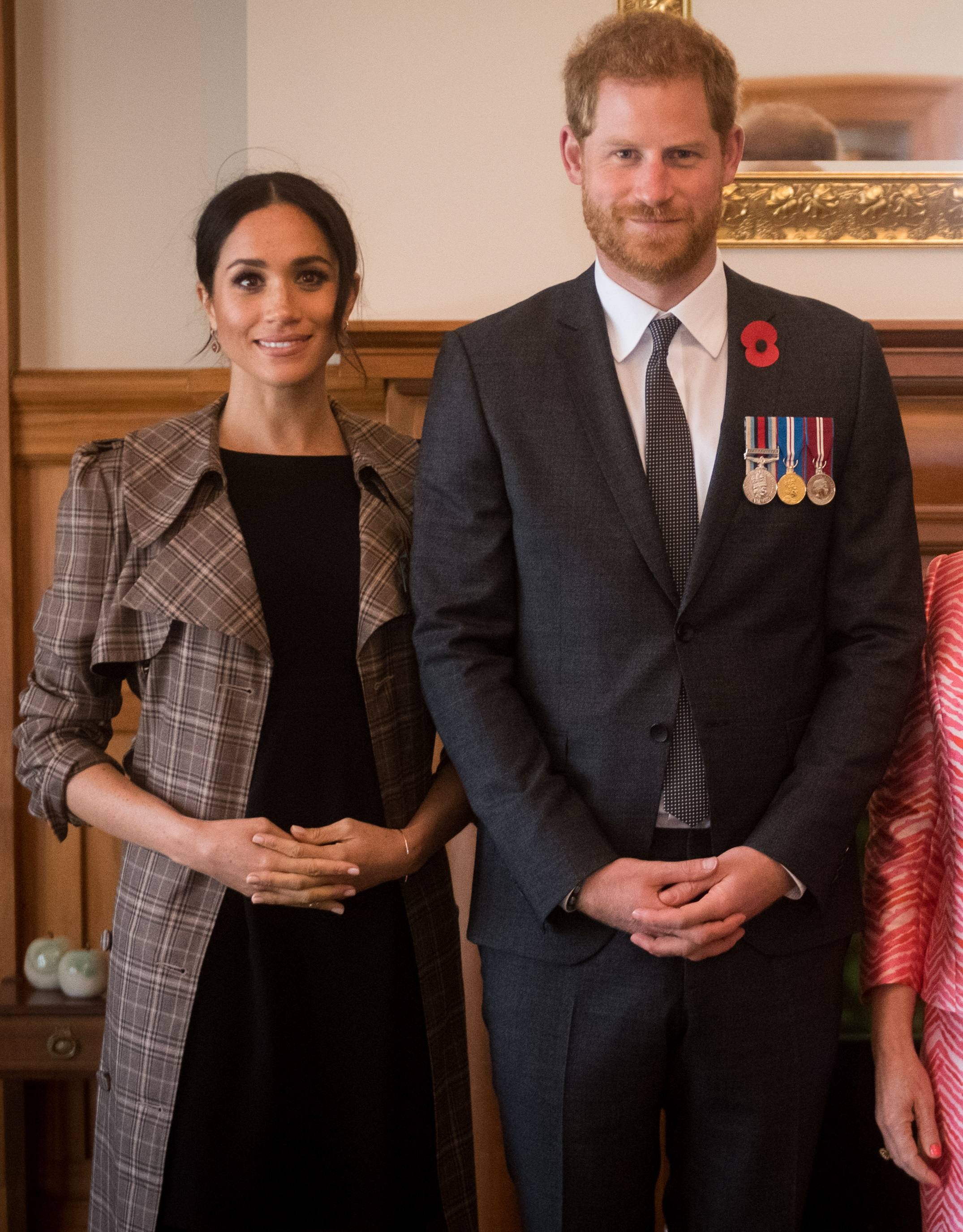
Harry and Meghan Visit Nottingham as Private Citizens, With an Itinerary Published to the Minute
Harry and Meghan made their first joint engagement since moving back to Britain. They are private citizens, according to the King's letter. Their…