
Packers Rip Referees After Penalties, Citing the Well-Known Rule That Contact Should Be Legal When It Is Them Doing It
Green Bay fell, the flags flew, and the postgame podium found its oldest comfort. Our columnist has been here before, in this exact chair, since 1997.
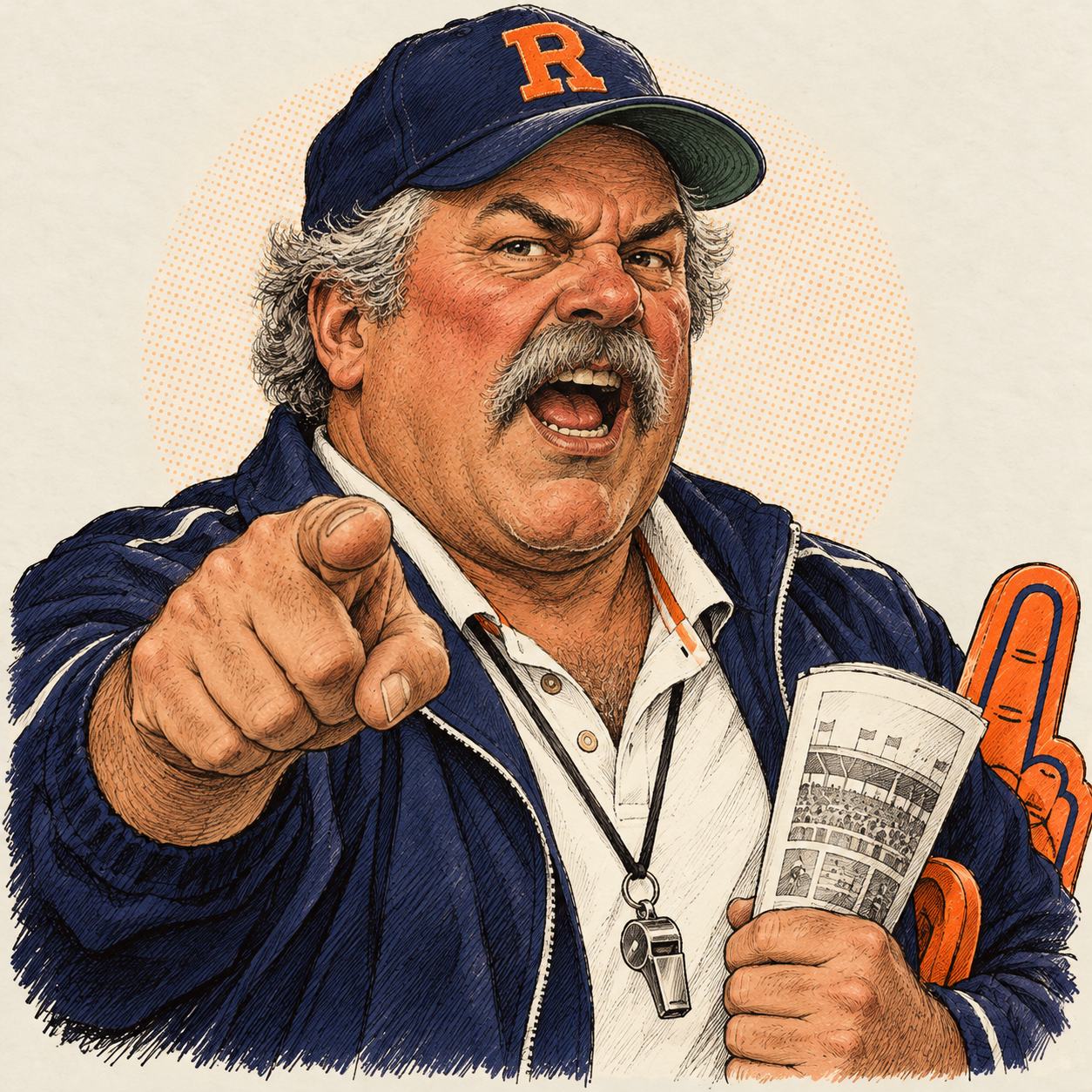
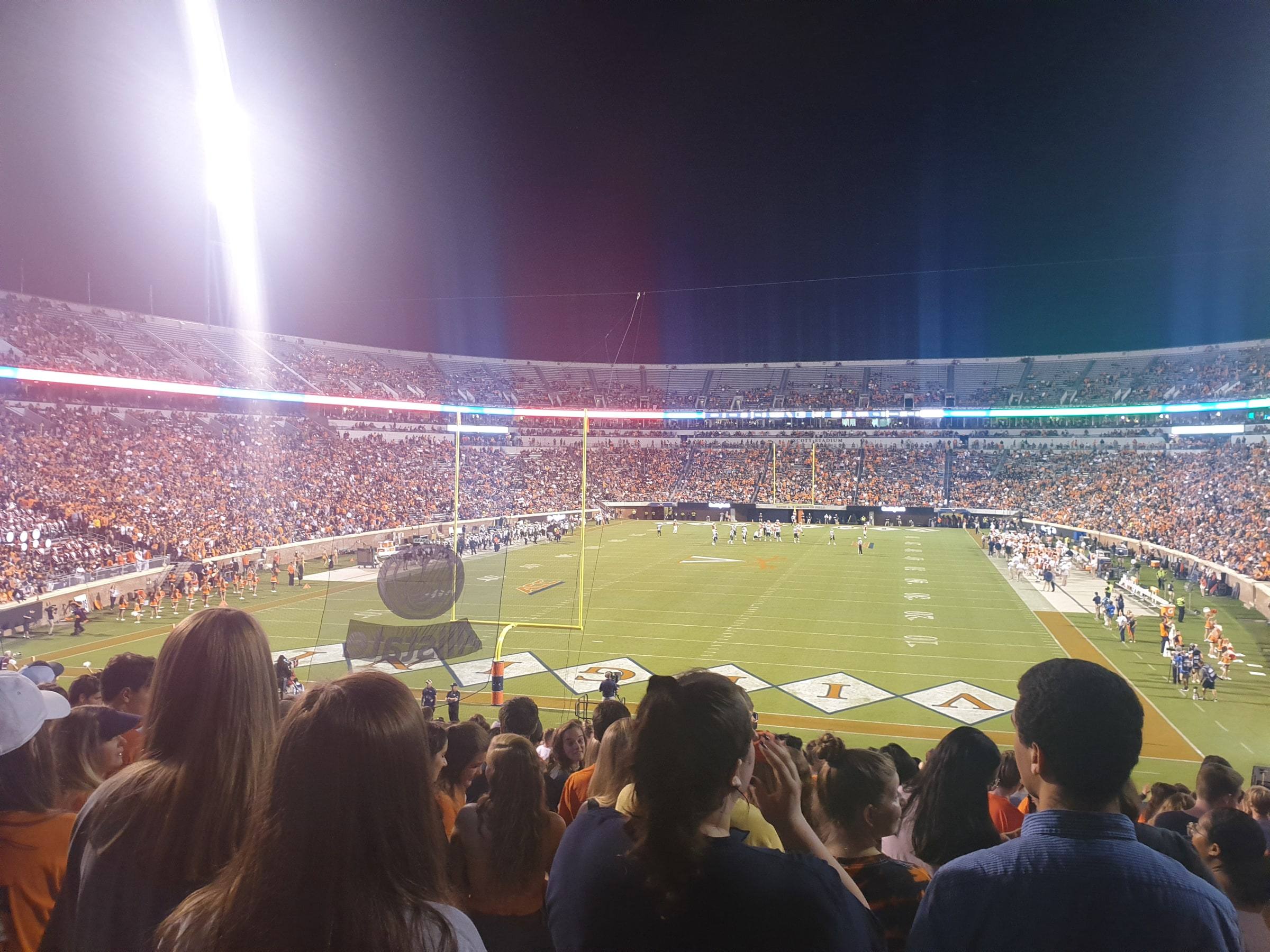
THE SPORTS DESK — Let me tell you about the referees, because somebody has to, and because I have been keeping notes on them, by name and by year, since before some of these players were a gleam in a draft board’s eye. The Packers lost. The Packers drew roughing penalties at the worst possible moments. And the Packers, in the sacred tradition of every team that has ever lost to its own hands, have concluded that the problem was the men holding the flags.
I have heard this sermon before. I heard it in 1997, from a crew whose names I will not print because printing them would give them a dignity they did not earn in overtime that October, and whose faces I could still pick out of a lineup, in the dark, by feel. So I come to the Packers’ complaint as a man who has spent thirty-one years deeply, personally, professionally aggrieved at officiating, and who is therefore the only honest judge of it. A grudge-holder knows a real grudge from a fake one. This one is fake.
Here is the complaint, stated plainly. Green Bay was flagged for roughing. Green Bay believes the roughing should not have been called, because, as near as I can reconstruct the argument from the postgame audio, the contact in question was the good kind of contact — the firm, manly, character-building kind — and not the bad kind, which is the identical contact when the other team does it and the flag stays in the pocket. This is a rule I know well. It is the oldest rule in sports. It is not in the book. It does not need to be. Every fan base is born knowing it.
The rule states: a penalty is an injustice when it is called on us and an oversight when it is missed on them. There is no third category. Replay has not been able to find one. I have looked, for thirty-one years, in the film room, which in my case is the same chair, and I have never once seen a team review its own flags and say “fair enough, that was us.” The phrase “fair enough, that was us” has never been spoken aloud at a podium. It is a myth, like sportsmanship, like the 1997 crew admitting what they did.
Now. Did the refs have a clean night? They did not. Refs never have a clean night, the way nachos never have a clean night — and I would know, I keep the only serious weekly power ranking of this region’s concession-stand nachos, and this week the stadium’s fell to number four, behind a high school, which tells you everything about the state of the cheese and nothing about the state of the defense. The defense is the story. The defense committed the fouls. A foul you committed is not a conspiracy. It is a foul. The flag did not tackle anyone late. The flag does not have arms.
What gets me — what always gets me — is the timing of the grievance. Nobody blames the referees in the first quarter of a win. The referees become corrupt, incompetent, and personally motivated against this specific franchise at the exact moment the scoreboard turns against it, and they are rehabilitated into “a good crew, let ’em play” the following week if the team covers. Officiating is the only profession evaluated entirely on the final score of games it did not play in. I have been evaluated this way my whole career too, come to think of it, by readers who only write in when I pick against them.
So to Green Bay I say: I understand you. I have been you since 1997. I will hold your grudge for you if you like — I have the filing system, I have the chair, I have the names. But I am not going to pretend the flags cost you this one. You roughed the passer. You know you roughed the passer. The passer knows. The nachos know, and the nachos see everything.
The refs blew some calls; you blew the game — learn the difference, or spend thirty-one years in this chair like me.

More in Sports
Sports →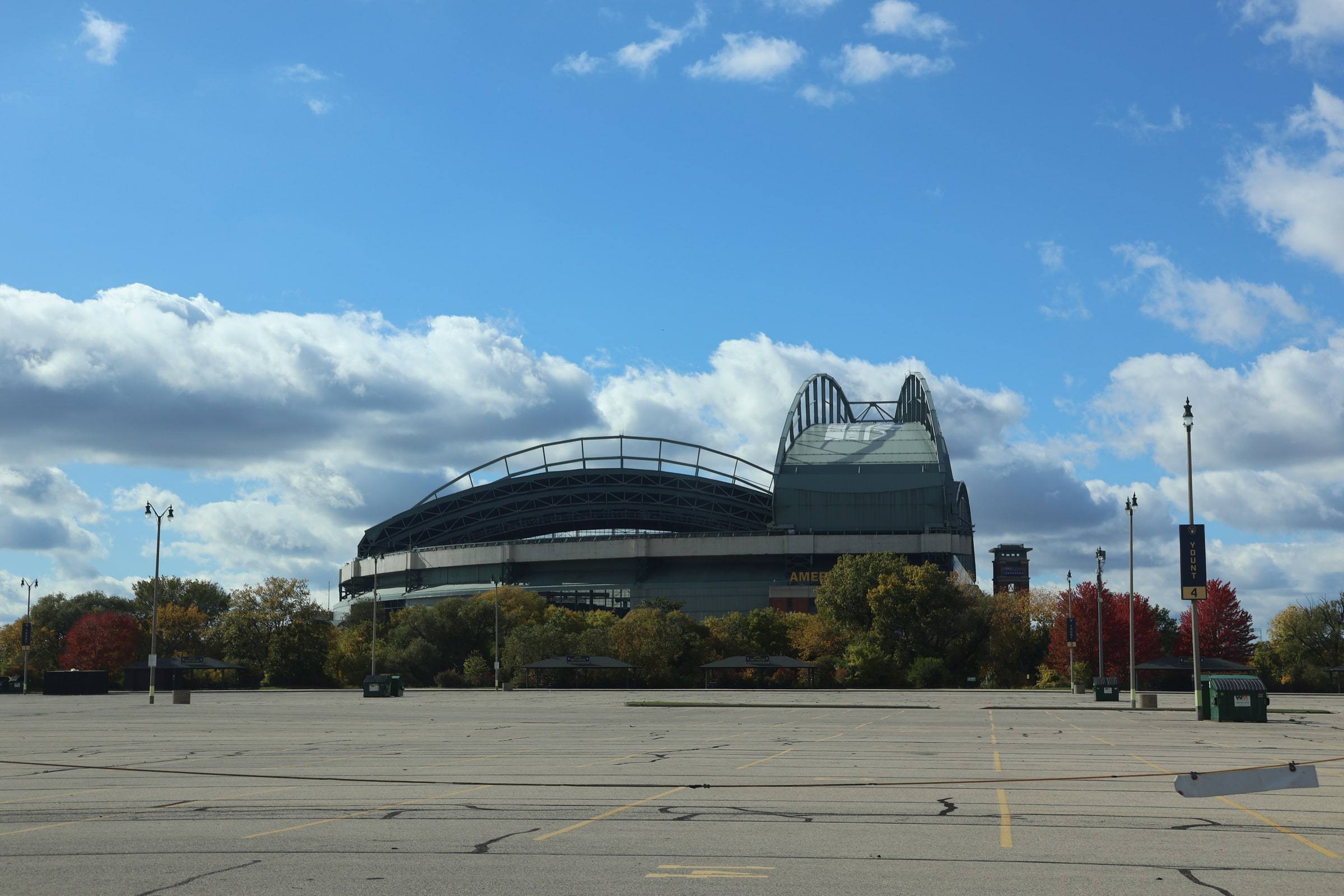
World Series Features Two Teams That Have Never Won It, Leaving Nation Unsure Who It Is Supposed To Be Tired Of
The Tampa Bay Rays and Milwaukee Brewers open the World Series tonight in Milwaukee, the first Series since 1980 where neither franchise has a…
College Football Playoff Plans 24-Team Field to Make the Season More Meaningful, Starting by Canceling the Conference Championships
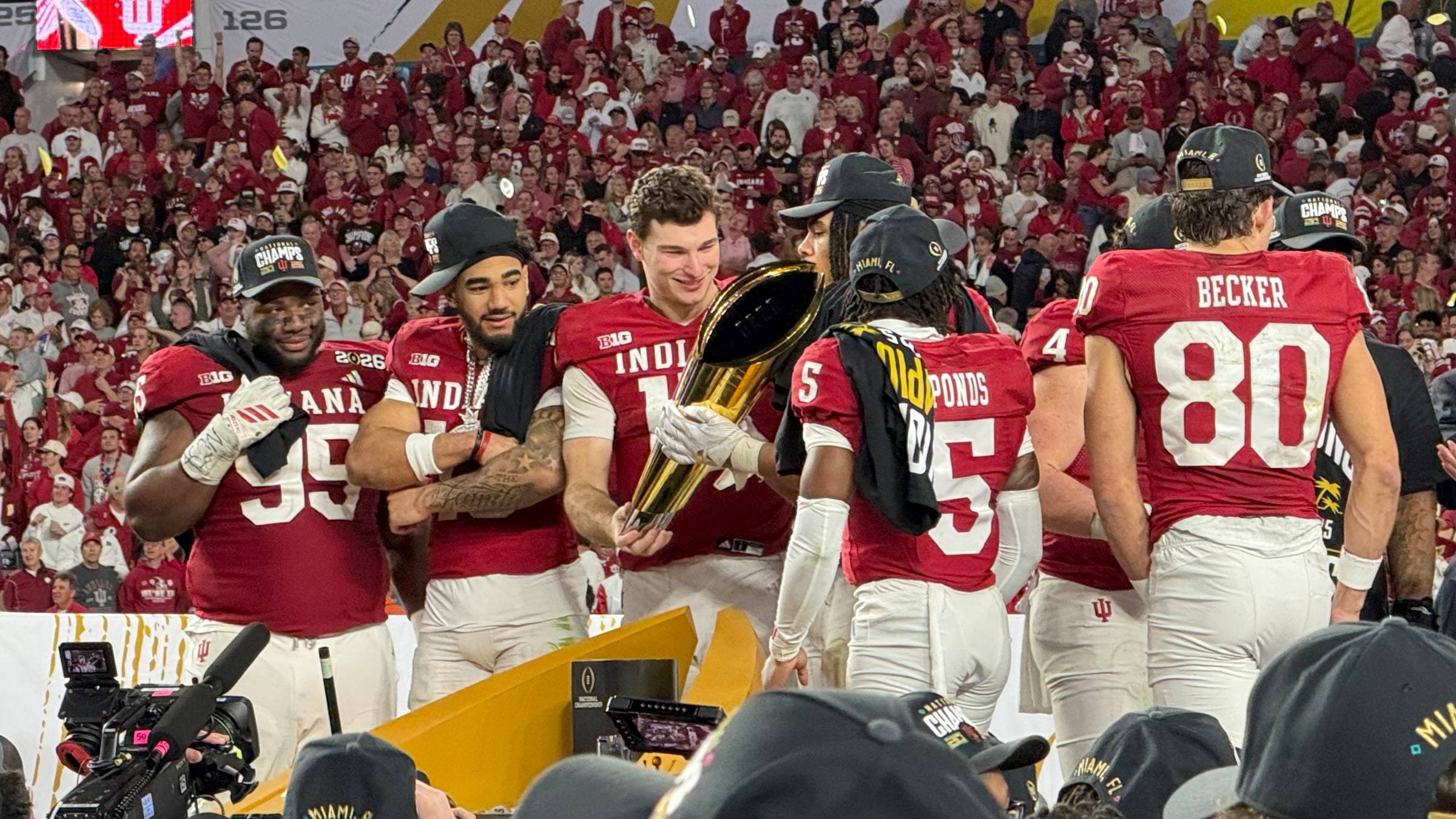
The College Football Playoff is nearing a deal to double its field to 24 teams next season, to make the regular season matter more. To make room, it…
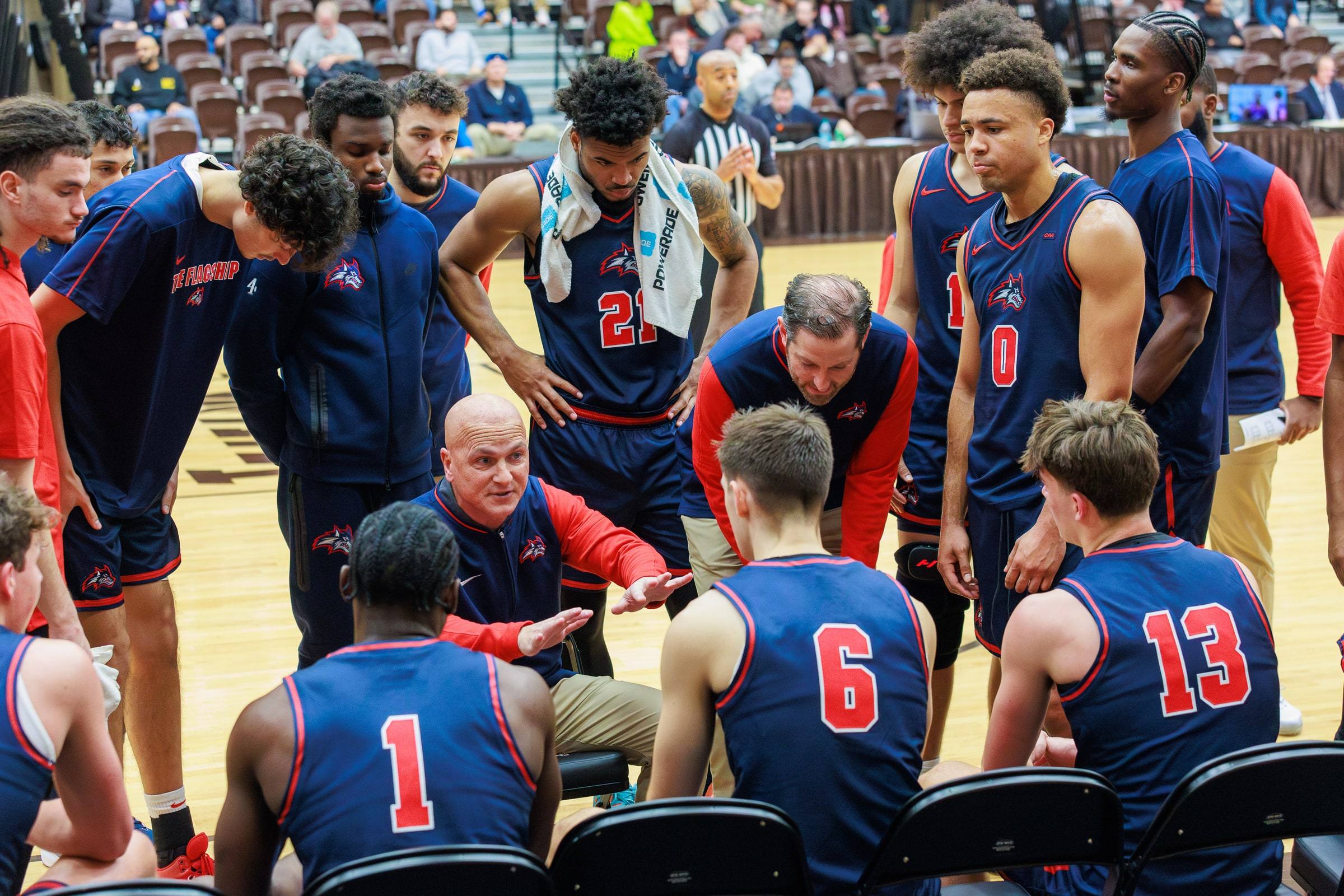
Metropolitan Metros Unveil AI Coaching System That Exclusively Generates Motivational Clichés
The Metropolitan Metros basketball team made franchise history yesterday by becoming the first professional sports organization to replace their…