
Spanish Prime Minister Urges Workers to Strike Over Housing Crisis, Which He Is in Charge Of
Spain's first general strike in 14 years had the unions calling it massive, business calling it low and the government cheering it on, so our foreign correspondent asked the only neutral party in that region: the electricity meter.

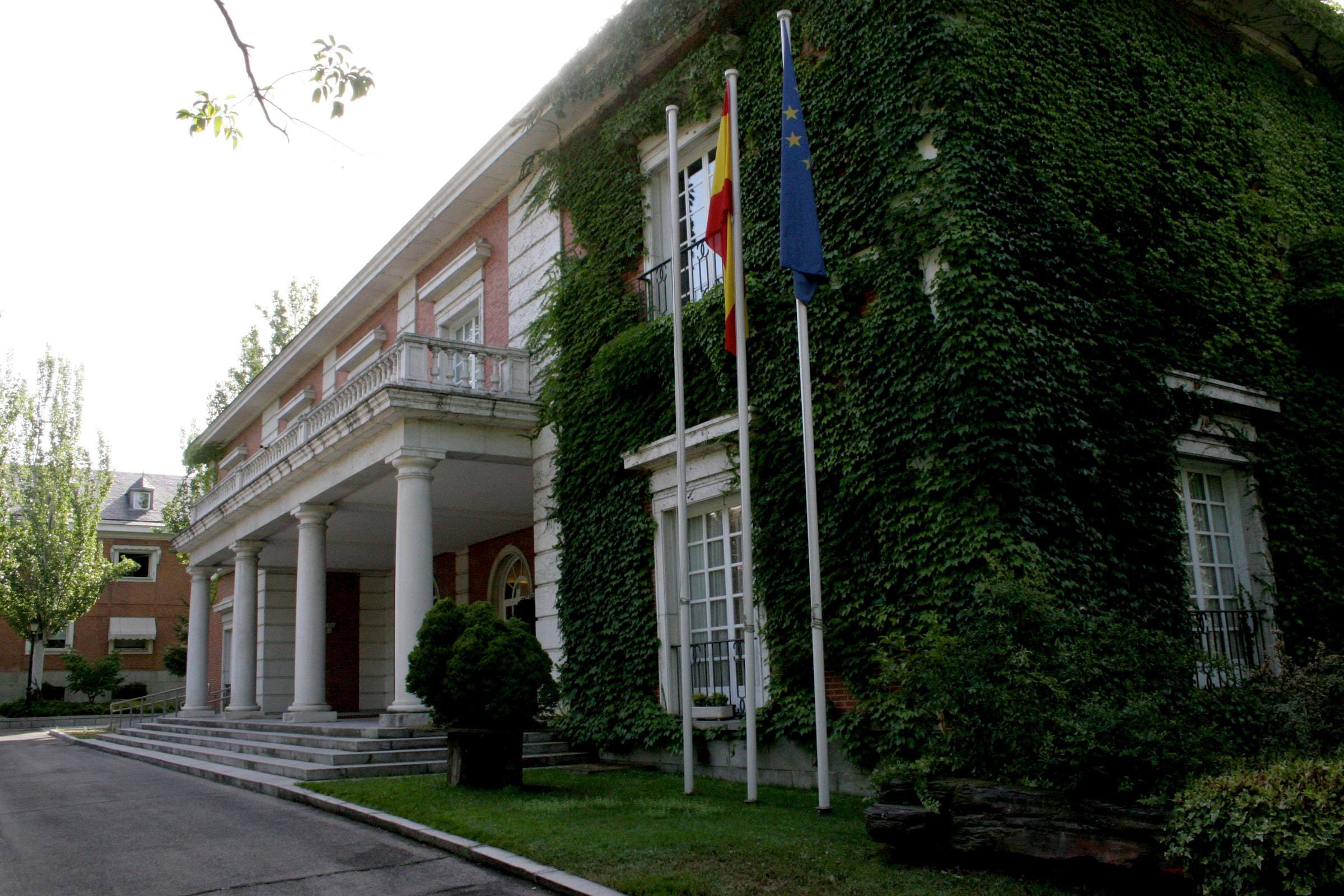
THE FOREIGN DESK (BASEMENT) — Dispatches from the Iberian front, which this correspondent reached at a quarter past nine by way of the stairwell and a very strong signal from the BBC.
Spain held its first general strike in 14 years on Wednesday, called by the country’s main unions over housing and the cost of living, the BBC reported. Transport and public services were badly disrupted. Main roads were halted around Madrid and in Catalonia. Tens of thousands marched in Madrid and Barcelona in the evening.
None of this is unusual for that region, which has a long and proud tradition of putting down its tools. What is unusual is who handed out the tools.
The government, on strike against the government
Socialist Prime Minister Pedro Sánchez called snap elections last month after parliament failed to pass his plan for housing reform, the BBC reported. The vote is on Nov. 29. In the meantime, Sánchez and his ministers have encouraged workers to down tools and demand affordable housing.
“Your eight-hour day. Your pension. Your public healthcare… These were collective conquests,” the prime minister wrote on social media, according to the BBC.
This correspondent has covered a great many governments from this basement. He has seen them break strikes, ignore strikes and wait out strikes. He has never before seen one cheer on a strike about a problem it has been in charge of since 2018, when Sánchez became prime minister. It is rather like a chef joining the diners to complain about the soup. Admirable spirit. Curious use of the kitchen.
The opposition was not cheering. Alberto Núñez Feijóo, leader of the conservative People’s Party, which leads the polls, called the strike “nonsense” and the unions “mafia” and “trash,” the BBC reported. His party accused the government of trying to weaponise the strike for the election. Sánchez replied on television that “what is nonsense is to question the rights of workers to strike.”
So the man who could not get housing reform through parliament supports the strike, and the man who would like to be in charge of housing next month calls it rubbish. In that region, this is known as an election campaign.
Counting the strikers
Everyone agrees there was a strike. Nobody agrees how big. Pepe Álvarez of the UGT union called participation “massive,” and Unai Sordo of the CC OO union called it “very significant,” according to the BBC. The Spanish Confederation of Business Organisations called it “low and uneven.” A vice-president of that confederation, Miguel Garrido, said it was “not a strike for labour-related reasons, but rather for political ones.”
Diplomacy requires a neutral observer. This correspondent found one. Power usage in Spain fell 7.5 percent in the early hours of Wednesday, according to the grid operator Red Eléctrica, the BBC reported. During the last general strike, in 2012, it fell by more than 15 percent.
The electricity meter has no party. It has no union. It cannot be called trash, and it would not mind if it were. By its count the strike was real, and half the size of the last one. This correspondent’s own desk lamp, consulted at noon, was on, and declined to take a position.
The underlying matter
The strike was about rent, and the rent is the least funny thing in this report, so it will be reported straight. A 50-square-metre flat in Madrid cost an average of €1,170 a month in October, according to the property portal Idealista, the BBC reported. Spain’s average gross monthly salary is about €2,460. That is nearly half a paycheck for a small flat, well above the 30 percent that housing experts call affordable.
No speech fixes that number. No strike fixes it on its own, and no general secretary, business confederation or party leader quoted above has fixed it yet, though every one of them was very busy on Wednesday saying who had not.
From the basement
Voters in that region go to the polls in 18 days. This correspondent will cover the result in full, from his post beside the vending machine, which charges $1.25 for a coffee and has not raised its price in four years. He has asked it how. It too has declined to take a position, but it has, at least, kept a roof over the coffee.

More in World
World →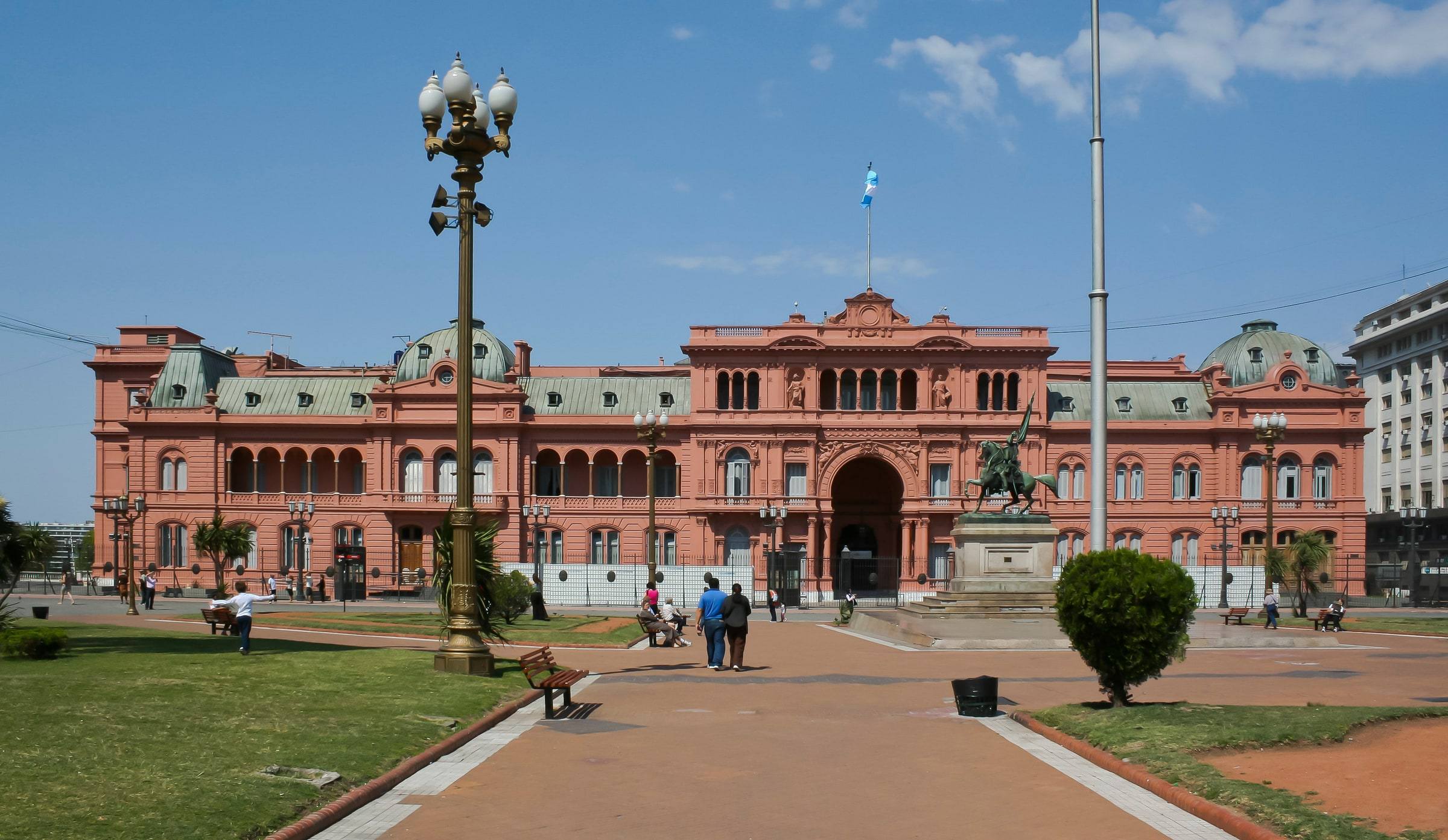
American Pope Makes the Trip to Argentina the Argentine Pope Never Made, Brings a Note About the Budget
Pope Leo XIV landed in Buenos Aires on Sunday, the first papal visit in nearly four decades, and told President Javier Milei that the economy must…
Man Who Walked 31,000 Miles to Get Home Asked by Mother Whether He Wants a Lift Anywhere Tomorrow
Karl Bushby left Punta Arenas, Chile, in November 1998 on foot with one rule, no motorised transport, and finished at his mother's front door in…
Foreign Correspondent Files Breaking European News Without Specifying Which News, or Which Part of Europe
A newswire moved a dispatch this morning under the headline "Europe News | Breaking European News Today." Our own man on the European beat, who…