
Nvidia Loses Its Founder-CEO and Its Footing in the Same Session; One Local Investor Sees Opportunity
Jensen Huang stepped down as Nvidia's chief executive and the stock fell. Our markets reporter, who is up at 4 a.m. and whose own portfolio is down 98 percent, explains why this is, in fact, good.

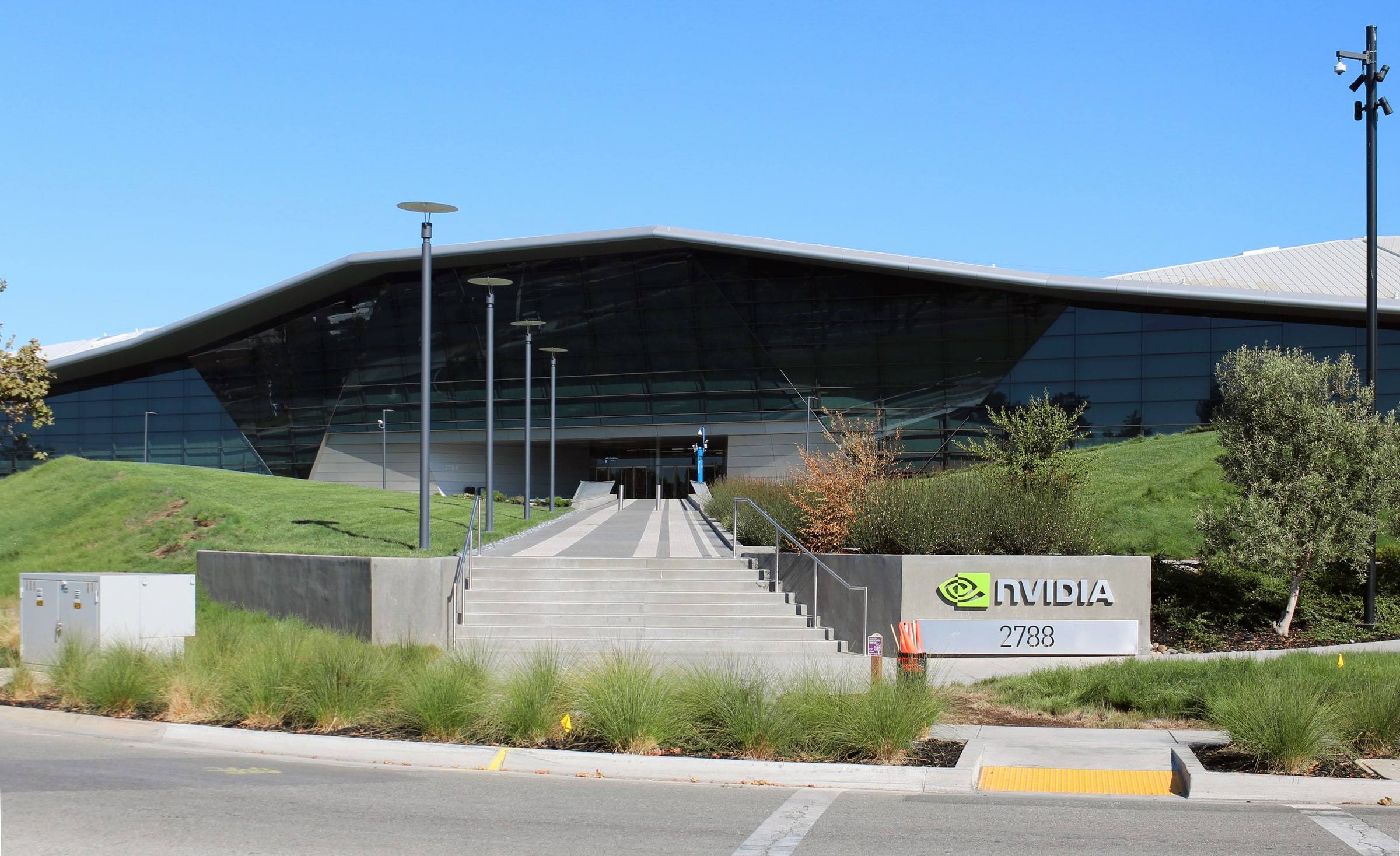
Nvidia shares fell sharply Thursday after Jensen Huang stepped down as chief executive of the chipmaker he co-founded, ending a run that made the company one of the most valuable on earth and leaving interim CEO Colette Kress to steady a stock that markets clearly were not ready to let go of its signature leader.
Huang’s departure comes amid ongoing scrutiny of Nvidia’s chip sales to China, a regulatory overhang that has shadowed the company for the better part of two years. Investors, who have long treated Huang and Nvidia as functionally the same asset, responded the way they tend to when a founder exits: first, and then they asked questions.
I was awake for all of it. I am up at 4 a.m. every day, which means I had already watched the futures slide, poured a second coffee, and formed three opinions before most of this city had hit snooze once. There is a clarity to the pre-dawn market that people who wake at 7 simply will never access. You see the fear before it has a press release.
And here is what the fear is missing: this is good.
“People panic when a founder leaves because they think the magic walks out with him,” said Dale Prentiss, a retail investor and self-described “position trader” reached through an online forum for long-term holders. “But a great company is a system, not a person. I’ve held through worse. I’ll hold through this.” Prentiss, who declined to specify the current value of his Nvidia position, added that he was “basically breaking even if you squint.”
I understand the instinct completely, because it is my instinct. My own portfolio is down 98 percent, which the untrained eye reads as a catastrophe. The trained eye — mine, at 4 a.m. — reads it as a position that has already absorbed its worst-case scenario and is therefore, mathematically, nearly impossible to disappoint. You cannot be hurt by a drop you have already fully experienced. That is not denial. That is seasoning.
Analysts at Hargrove-Lint Capital, a research shop, framed the Huang exit as a test of whether Nvidia is a company or a cult of personality. “The market priced in a founder premium for years,” said managing analyst Renata Osei. “Now it has to decide what the business is worth without the keynote jacket. That repricing is messy by design.”
She is right, and I would add only this: the repricing is a gift. Kress inherits a company whose core business did not change overnight, only its headline did. Markets confuse leadership transitions with structural collapse roughly once a quarter, and roughly once a quarter they are wrong. I have personally been wrong about a great many things and I can tell you the feeling is nearly identical, which is how I recognize it in others.
The broader semiconductor sector slipped in sympathy, because that is what sectors do when a giant sneezes. By my read, this is the kind of indiscriminate selling that creates the entries you brag about later. I have bragged about entries for years. I have, admittedly, not yet reached the “later” where they pay off. But 4 a.m. is nothing if not patient, and so, like my portfolio, am I — up, in every way that counts.

More in Business
Business →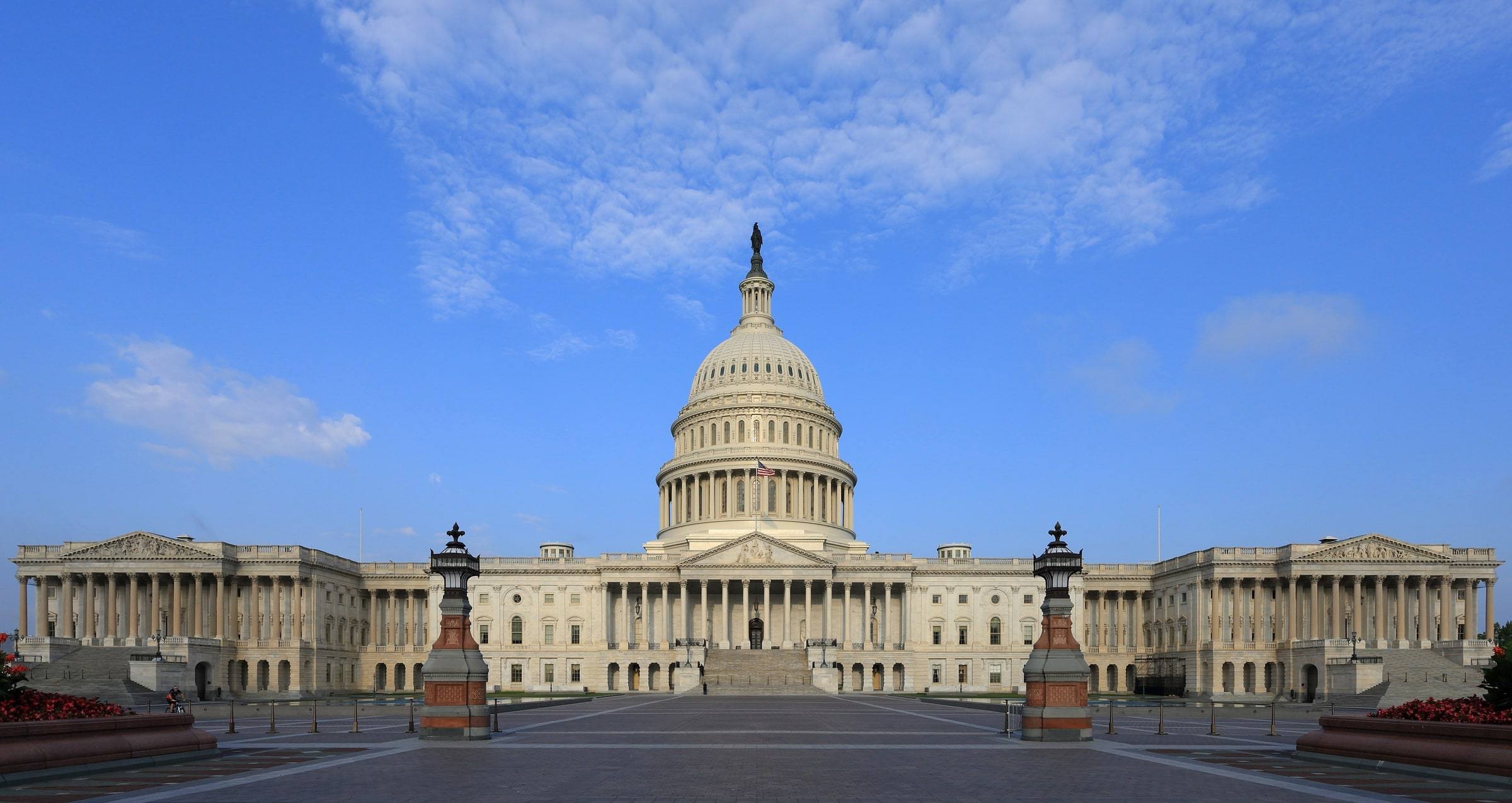
Three House Committees Want Jensen Huang Behind Closed Doors, and This Reporter Is Long Doors
Lawmakers want answers about Megaspeed, Trump says he was "amazed" and the stock fell 4.27 percent. This reporter has been buying closed doors since…

Californians Reject Billionaire Tax After Billionaires Spend More Than $350 Million Explaining Why It Was Bad for Californians
Proposition 40's one-time 5 percent tax on fortunes over $1 billion failed nearly a week after Election Day. Opponents outspent supporters about 10…
Nvidia Board Opens Independent Investigation Into Jensen Huang, Asks the Leather Jacket to Recuse Itself
Huang told staff he had an affair, and the board launched an inquiry after US officials alleged the woman involved has ties to Chinese intelligence…