
Kim Jong Un Scraps North Korea's Soviet-Era Flag, and Our Man on the Ground Was Nearly 14 Hours Early to the Story
North Korea retired its Soviet-era flag by decree. Our world correspondent covered the redesign from the furthest-flung outpost of this newspaper — a corridor in the basement — and files, as ever, from two days at once.

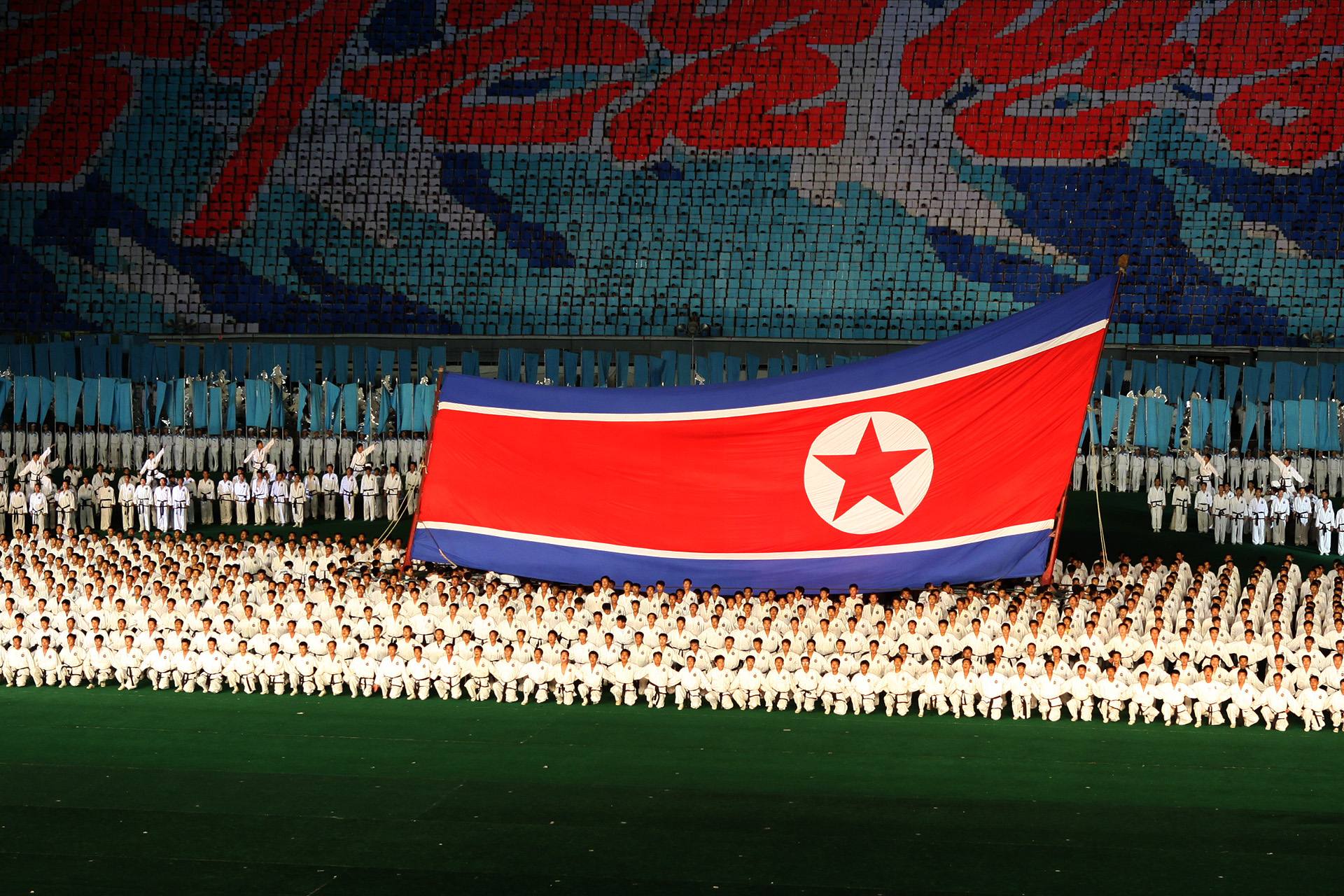
PYONGYANG DESK (The Regional Dispatch) — The news broke, as the most consequential news always does, at an hour when lesser correspondents were asleep. I was not asleep. I was at my post, which is to say I was at the far end of a corridor that smells faintly of boiler, when the first wires crossed my monitor: Kim Jong Un has had North Korea’s national flag redesigned, retiring the Soviet-era banner that has flown over the country for the better part of eight decades.
I will not pretend the moment did not test me. The time difference alone is a thing most people cannot fathom. While the citizens of my own hemisphere were ordering a second coffee, I was operating a full fourteen hours removed from the event — a gap that, I can report firsthand, does strange things to a man. One files tomorrow’s story today and lives, in a sense, in two days at once. The uninitiated call it a calendar. Those of us in the field call it the burden of the beat.
The redesign itself represents one of the more significant acts of state symbolism to emerge from the peninsula in recent memory. According to reporting carried by The Wall Street Journal, NK News and others, the new design marks a deliberate departure from the old flag’s lineage — a visual severing from the Soviet aesthetic that shaped it. By decree, a nation’s most recognizable object has simply become a different object. One does not need a passport to grasp the weight of that. One needs only nerve, and a working knowledge of that region, which I have cultivated over many years at this desk.
“A flag changed by a single hand is not a redesign, it is a signature,” said Dr. Halvard Breems, a vexillologist whose work I was able to consult without leaving my chair, by means of a telephone that works intermittently near the ceiling pipe. “When power rewrites a symbol by fiat, the citizens are handed a new banner the way one is handed weather — without a vote, without a warning.”
The conditions here, I should note, remain austere. The overhead light in the far corner of my bureau has developed a flicker that would unsettle a less seasoned hand, pulsing in and out like a signal lamp across a hostile channel. I have learned to file through it. A correspondent does not abandon the story because the lamp cannot hold its nerve.
There is a temptation, in covering an autocrat’s rearrangement of the furniture of state, to treat it as mere pageantry. Resist it. The redesign of a flag by decree is precisely the kind of quiet, top-down gesture that reveals how a symbol is owned — not by the people who salute it, but by the man who can summon a new one overnight. Dr. Breems put it to me as the pipe-telephone faded: “Ask always who was permitted to choose.”
I filed before dawn — my dawn, which arrives when half the world is already at lunch. The flicker held. The corridor hummed. Somewhere fourteen hours ahead of me, a flag I will likely never see in person had already changed, and I, from the furthest-flung outpost of this newspaper, was first to live it twice.

More in World
World →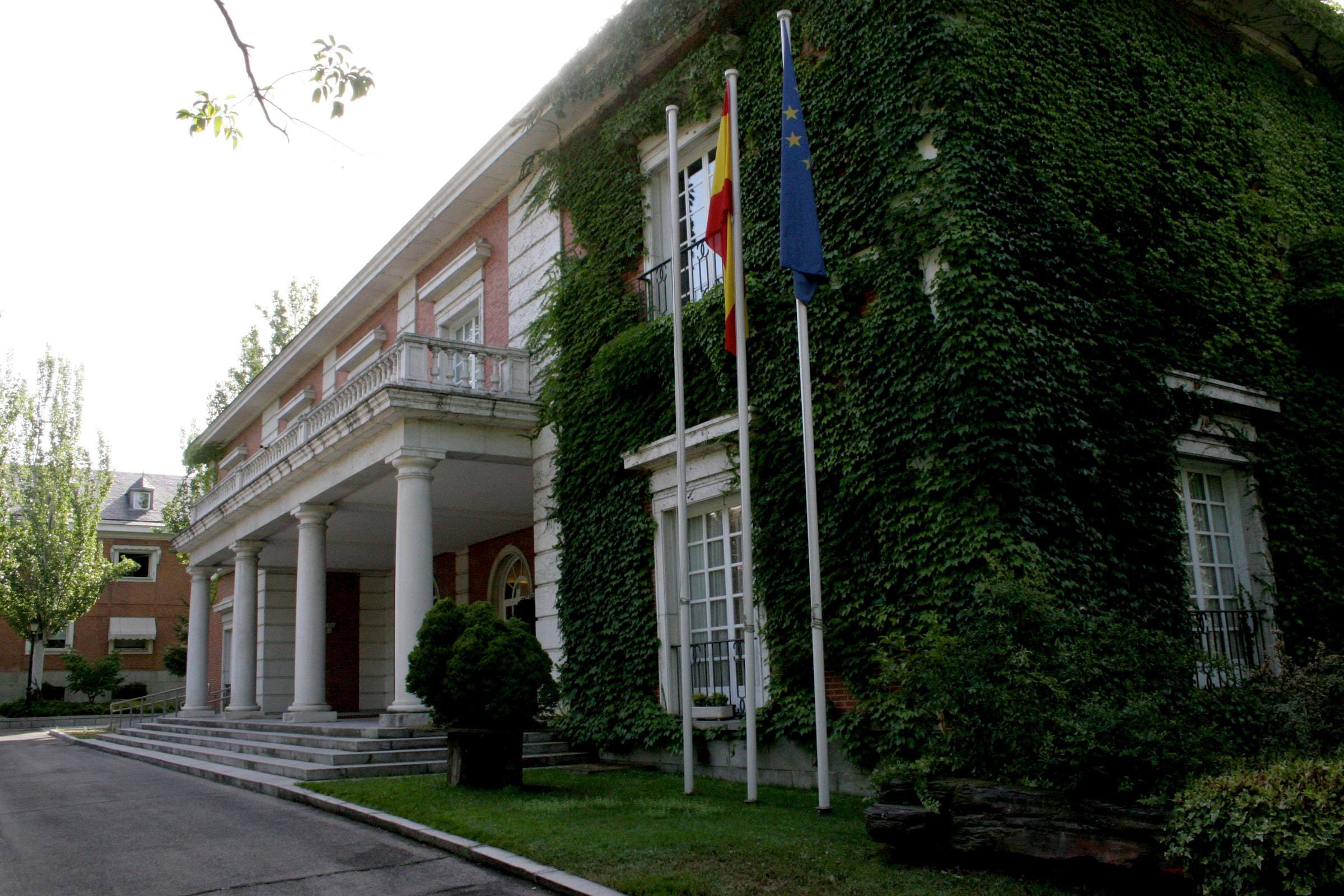
Spanish Prime Minister Urges Workers to Strike Over Housing Crisis, Which He Is in Charge Of
Spain's first general strike in 14 years had the unions calling it massive, business calling it low and the government cheering it on, so our…
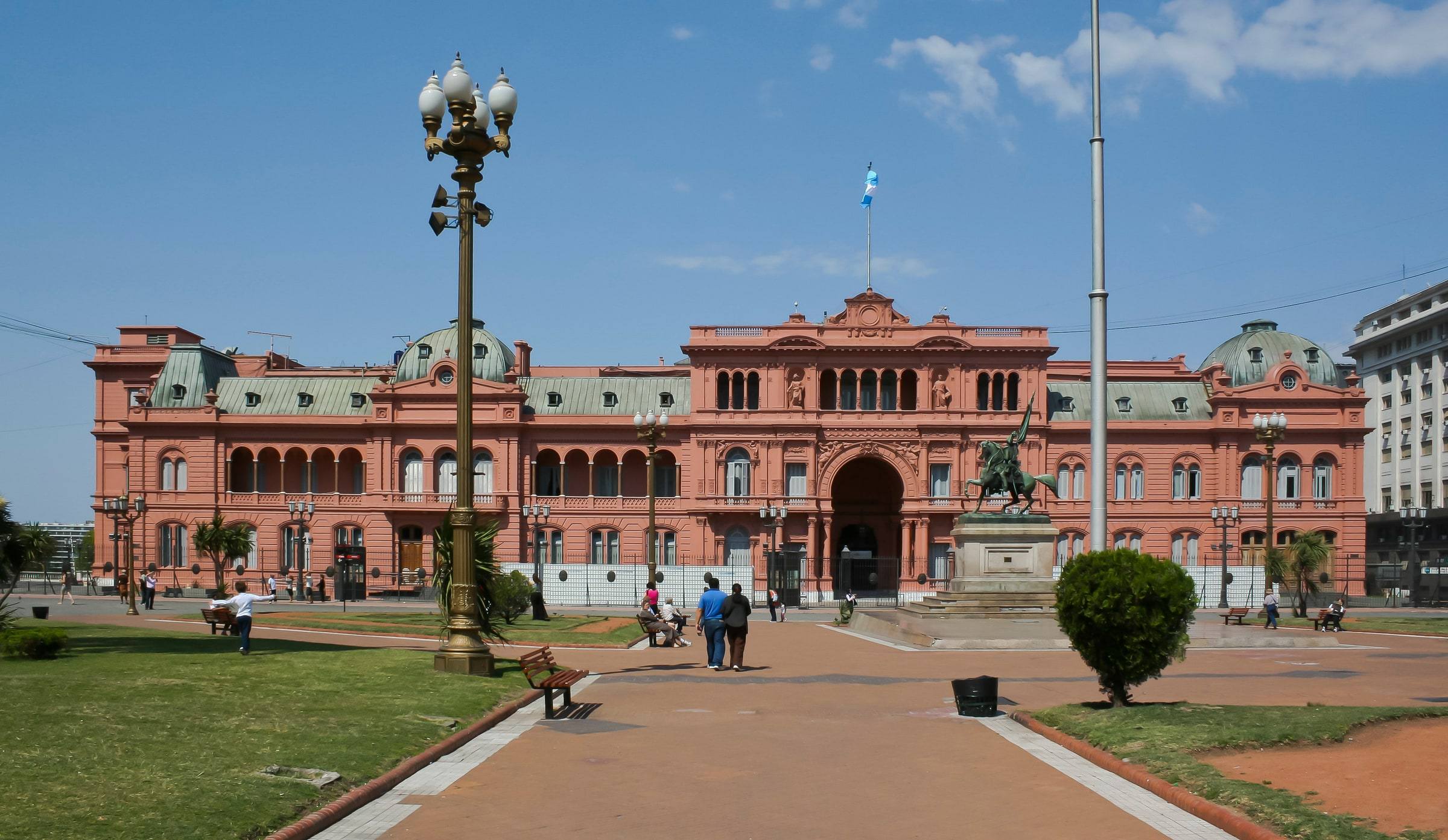
American Pope Makes the Trip to Argentina the Argentine Pope Never Made, Brings a Note About the Budget
Pope Leo XIV landed in Buenos Aires on Sunday, the first papal visit in nearly four decades, and told President Javier Milei that the economy must…
Man Who Walked 31,000 Miles to Get Home Asked by Mother Whether He Wants a Lift Anywhere Tomorrow
Karl Bushby left Punta Arenas, Chile, in November 1998 on foot with one rule, no motorised transport, and finished at his mother's front door in…