
JD Vance, Genuinely Undecided About 2028, Pencils In Late Spring to Announce What He Decided
The vice president won't decide on a run until after the new year and may not say so until late spring, Axios reports. Our elections reporter has never been given six months' notice of anything, and his model is beside itself.

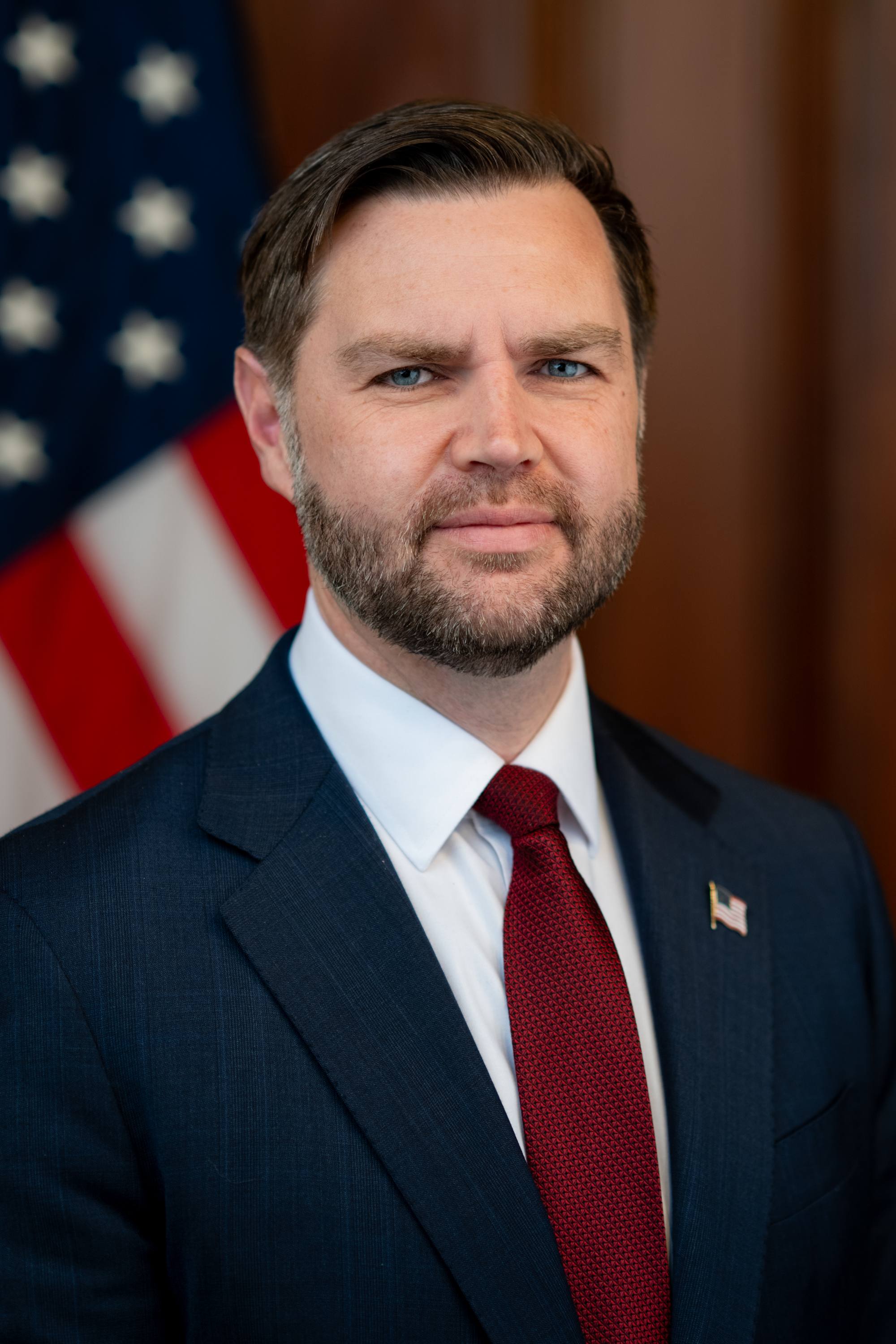
THE STATEHOUSE — Vice President JD Vance will not make a final decision about running for president in 2028 until after the new year, and he may wait until late spring to announce it, two sources with knowledge of his plans told Axios on Sunday. This reporter has entered both dates into the model. The model has never been handed a forecast six months in advance. It is running warm.
People familiar with Vance’s thinking say he is genuinely undecided about running, Axios reported, and that his timeline was set before the midterms. Advisers caution that the timing could change. Vance is also still discussing a potential bid with his family, the sources said.
That is the undecided column. Here is the other one.
The chart
Vance co-founded the Rockbridge Network, which Axios describes as secretive and says could anchor his presidential fundraising operation. The group met in Houston after the midterms. As finance chair of the Republican National Committee, he has cultivated relationships with major contributors. He has ties to the technology donors Peter Thiel, David Sacks and Elon Musk. He campaigned across the country this fall, building relationships with the activists and officials who pick nominees. His closest political advisers believe he should run in 2028 and that he is likely to, according to a person close to the vice president.
This reporter has made a bar chart. The bar labeled “Undecided” is one sentence long. The bar labeled “Donor network, fundraising anchor, Houston meeting, RNC finance chair, three tech billionaires, a national tour and advisers who expect him to run” is so long it goes off the poster board and onto the break-room wall. The facilities office has asked for the wall back. The chart stays up until late spring.
The model reads the chart the only way a model can. The vice president is the most thoroughly prepared undecided man in American history. That is not a contradiction. In this business it is called the exploratory phase, and it has been known to last up until the day of the announcement.
Why wait
Axios gives a second reason for the long runway, and it is the one the model weighs most heavily. Republicans close to Vance see President Trump’s continued presence as a reason to delay. Vance is wary that launching a campaign too early could shift attention away from Trump and risk alienating him.
Put that in the spreadsheet. The front-runner for the 2028 nomination is scheduling his campaign around the feelings of a president whose term ends in January 2029. The model has run thousands of campaign timelines. It has never had to add a column for “the incumbent’s mood.” It now has one, and it is the only column the model cannot see the bottom of.
There is also the matter of the Iran war, which Vance privately opposed, according to Axios. Some Republicans read his post-midterm criticism of the conflict as an effort to put distance between himself and the president’s decision to attack Iran. Trump said that “a lot of people didn’t like” Vance’s comments, added that he was not one of them, and insisted the relationship was unaffected. The model recorded this as a strong endorsement with a weak signal, which is the only kind of endorsement the model has ever received.
The field
The midterms went badly for Republicans, and that has given the party’s move-on wing an opening, Axios reported. Vance allies say the losses have not changed his standing as the early front-runner, citing his donor network, his political infrastructure and his name recognition.
Behind him, Texas Sen. Ted Cruz has been among the most active Republicans preparing for a potential run, and his team has held meetings about it. Many Republicans, including some Cruz allies, doubt he could seriously challenge Vance, particularly if Trump endorses the vice president. Some Republicans see Secretary of State Marco Rubio as a more formidable rival, and the megadonor Ken Griffin is among his supporters. Rubio has said repeatedly that he would support Vance if the vice president ran. He is also serving as both secretary of state and national security adviser, which leaves him without much of an operation and, the model estimates, without a Saturday.
Former Virginia Gov. Glenn Youngkin, Georgia Gov. Brian Kemp and Florida Gov. Ron DeSantis round out the list. DeSantis has called the party’s midterm losses a near “extinction-level event.”
A Vance spokesperson declined to comment to Axios. The model respects that. A spokesperson who declines to comment has never once missed a forecast.
The forecast
This reporter conducted a poll of the newsroom on the question of when the vice president will announce his 2028 decision. Results: late spring, 100 percent. Margin of error: one season. Harlan Whitcomb, who covers the White House from the desk by the window that does not open, declined to take part, and asked who was conducting the poll. He has been told four times this week.
So here is the call. The vice president will be undecided through the new year. He will be undecided through the winter. He will be undecided with a donor network, a fundraising anchor and a set of advisers who expect him to run. And sometime in late spring, he will stand at a podium and announce the decision he has spent six months not making.
The model has gotten every election wrong. It has never once gotten a season wrong. Spring is coming. The model is calling it now.

More in Politics
Politics →
Judge Orders Trump to Keep Public Golf Course Open, Says Nobody Has to Mow It
A federal judge has blocked the Nov. 15 closing of East Potomac Golf Links, one day before it was due. The government may not shut the park. It is…
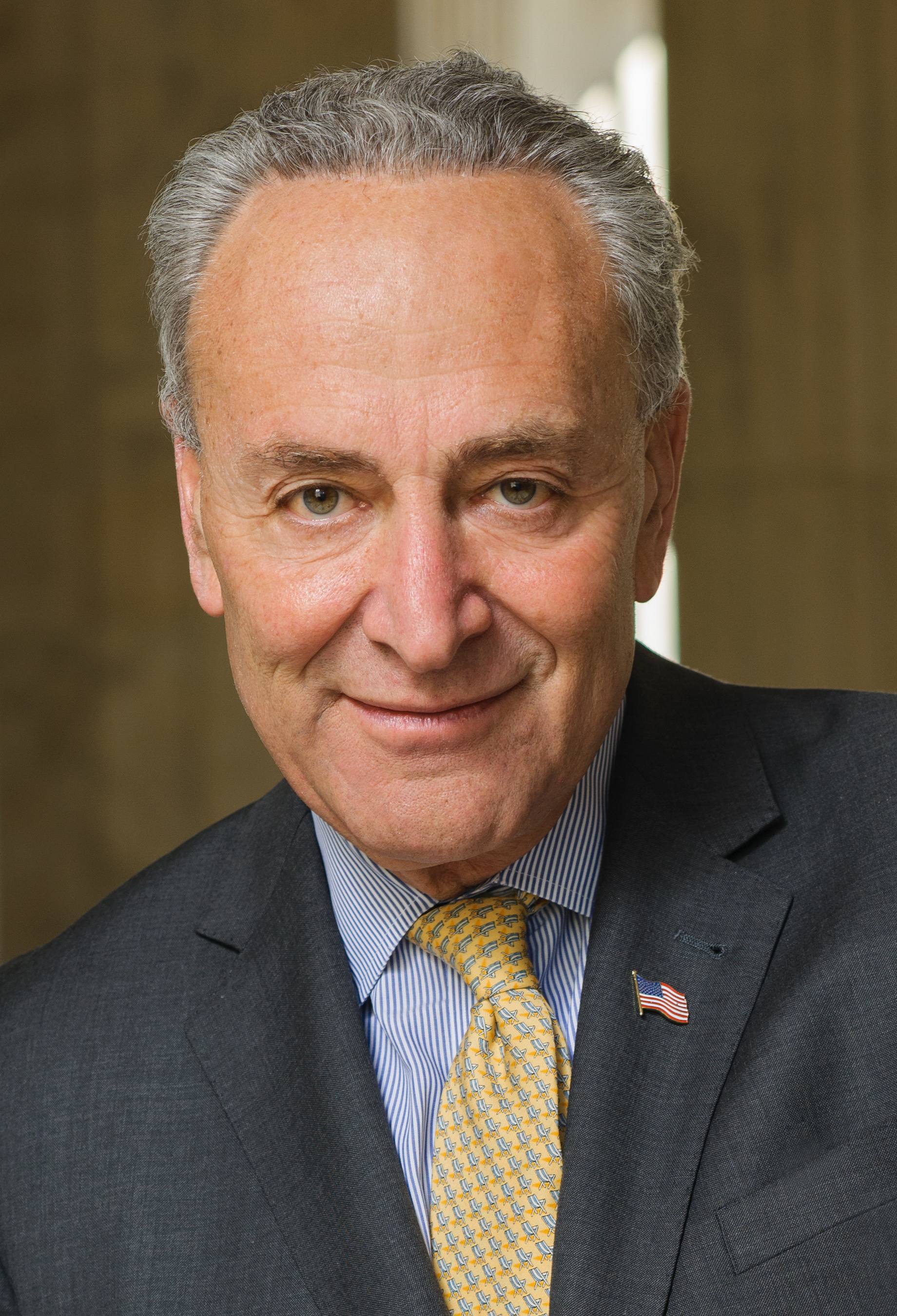
Chuck Schumer Has the Votes. A Secret Ballot Will Let Him Know Which Ones.
Schumer says he has the votes to stay Democratic leader. Senators cast them in December, by secret ballot, where a pledge goes to find out what it…

Speaker Johnson Reports a Consensus Developing in Congress. Nobody Make Any Sudden Movements.
Johnson says he favors limiting chip exports to China and that lawmakers are coming around. This reporter has covered eleven administrations and has…