
A Russian Bank Has Finished the Novel Gogol Threw in the Fire, and Our Tech Reporter Would Like to Know What Else Is in the Fire
Sber trained its GigaChat model on Gogol's drafts, notebooks and letters and published the second volume of Dead Souls that he burned in 1852. Our tech reporter calls it the most disruptive thing to happen to a manuscript since the fireplace.

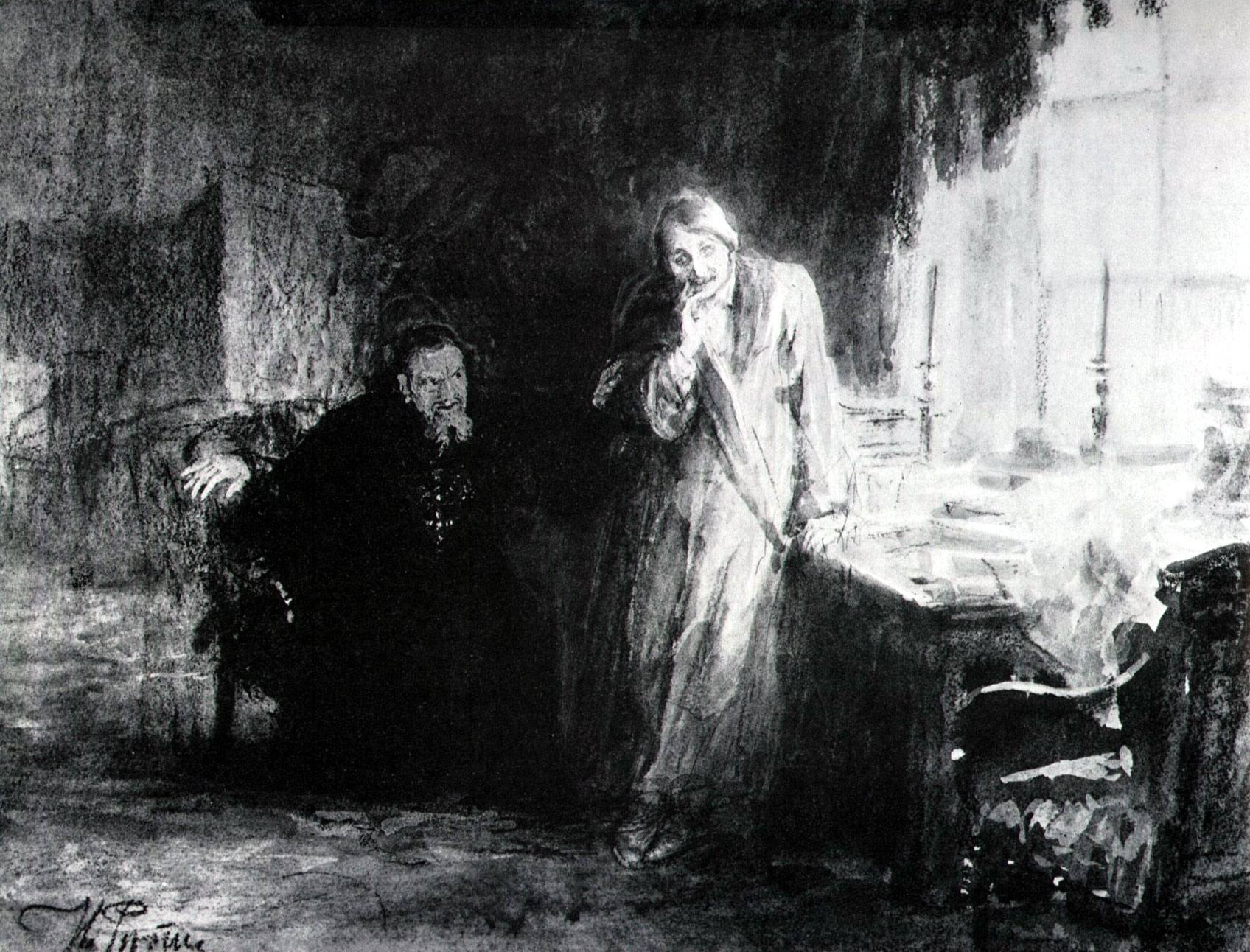
MOSCOW — For 174 years, the second volume of Nikolai Gogol’s “Dead Souls” has had a single, insurmountable go-to-market problem. The author put it in the fireplace.
That legacy bottleneck has finally been disrupted. Sber, the Russian banking and technology conglomerate, has used its GigaChat model to produce its own version of the lost second volume, Reuters reported this week. The book, “Dead Souls. Volume Two. Revival,” went on sale in October, timed to the bank’s 185th anniversary, according to Russian press coverage of Sber’s announcement. A launch event followed at a Moscow bookstore on Oct. 28.
This reporter has covered a lot of product launches. He has never seen a team ship a sequel this late and this confidently.
The tech stack
The numbers are, frankly, game-changing. According to Sber’s press release, as reported by Rambler, the model was trained on Gogol’s complete works, drafts, notebooks and letters, plus writing by his contemporaries Pushkin, Dostoevsky and Turgenev, along with philosophical treatises, biblical texts and the paintings Gogol admired. The team built an 11-point scoring system to grade the output for things like archaic vocabulary, long rhetorical sentences, grotesque comedy and an active narrator. GigaChat also produced 21 illustrations in the style of Alexander Agin, who illustrated the first volume in Gogol’s lifetime.
Linguists, engineers and historians all worked on it. Vladislav Otroshenko, who led the project, told Reuters it took about four months for the machine to develop a plausible literary style. “It handled the artistic side of the task, and the plot element in particular, very well,” he said. “It is a bestseller,” he added. “Readers are genuinely interested in it.”
Four months to learn Gogol. Gogol needed most of a decade and still threw it in the fire. That is what this reporter calls a 10x improvement in time to market.
A note on the product
For readers who have not done the onboarding: the surviving first volume follows a swindler named Chichikov, who travels the countryside buying up dead serfs who are still listed as alive on the official registry, so he can borrow money against them. Gogol had planned two more volumes about Chichikov’s moral regeneration. He did not finish. In February 1852, a few days before he died, he burned the manuscript.
So, to recap the use case: a bank has taken a dead man’s paperwork, determined that it still had value on the books, and turned it into an asset. This reporter cannot think of a more innovative way to honor Gogol, and he has thought about it for almost a full minute.
Not everyone is aligned
Some stakeholders are not yet on board. Gogol scholar Artyom Nikitin told Reuters that, by the same logic, AI could write sequels to any number of works. “But I believe that a literary work does not automatically flow from everything that an author created before,” he said. “Even if we know the author’s language, style and plot lines, that does not point us to what they will write next.”
This reporter respects the pushback. He also notes that “any number of works” is what investors call a total addressable market.
He hopped on a quick call with his co-founder to discuss it. Their startup, BurnBack, is pre-revenue and pre-product, and as of this call it is pre-founder, because the co-founder asked what exactly they would be bringing back. This reporter said: everything. Every manuscript a novelist fed to a stove. Every letter a man wrote at 2 a.m. and had the sense to burn. Every draft a person destroyed on purpose because they did not want anyone to read it.
The co-founder pointed out that the people in that last category were very clear about what they wanted.
The co-founder has been removed from the cap table. The deck is being rewritten. It will not be burned. Nothing ever is again.

More in Tech
Tech →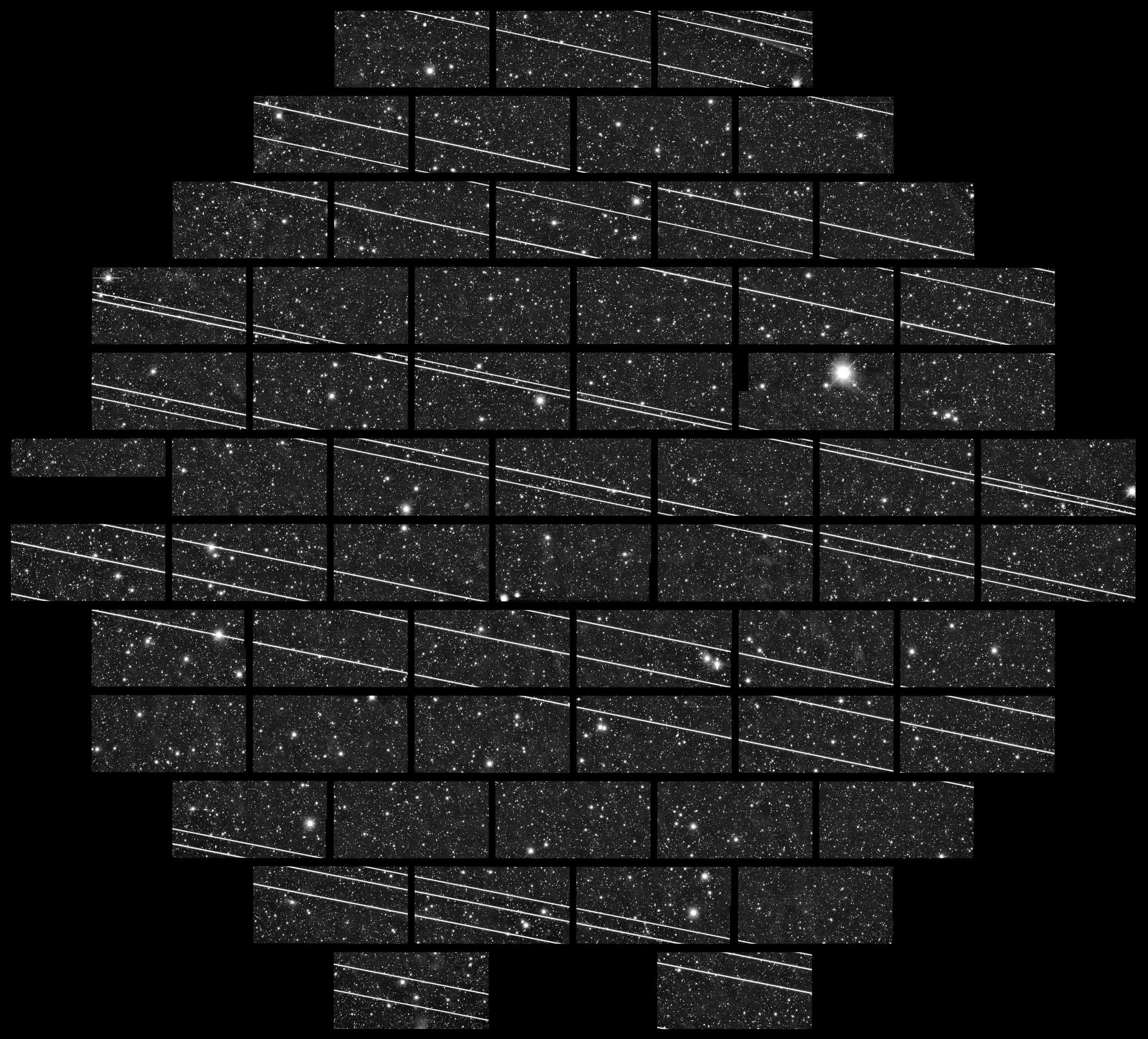
FCC Approves One Million Data-Center Satellites, Finds the Night Sky Outside Its Jurisdiction
SpaceX has until 2040 to put the constellation in orbit, and must first explain what it plans to do with the ones above 600 kilometers.
Microsoft Declares Code Red After Its Teams Outage, and Engineers Coordinated the Response in 11 Teams Chats
A nearly daylong outage took down Outlook, Teams and Copilot this month. Microsoft has now declared an internal Code Red. Our tech reporter has read…
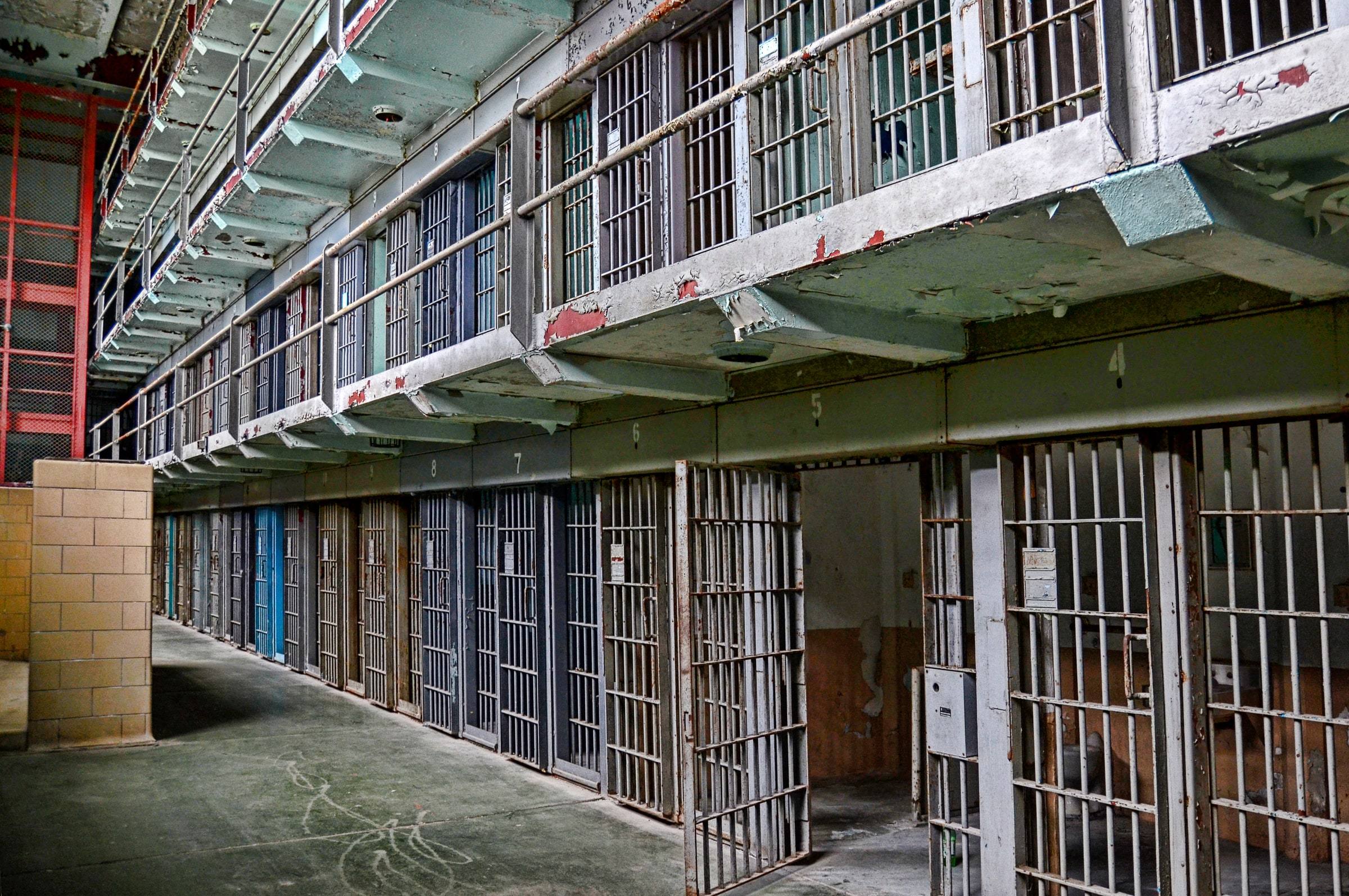
FCC Clears Prisons to Jam Cellphone Signals, Which Prisons Have Been Doing Anyway
The agency says the new rule closes a contraband-phone loophole. Industry calls it a bold step forward. Our correspondent, who has never read a term…