
Canada's Top Court Rules Quebec Set Aside Its Workers' Rights With the Correct Paperwork, Which Is the Only Requirement
In a 4-3 ruling, the Supreme Court largely upheld Bill 21 and found that the notwithstanding clause asks for a declaration and an expiry date, and nothing more. Our foreign correspondent, who needs three signatures to replace a light bulb, has reviewed the form.
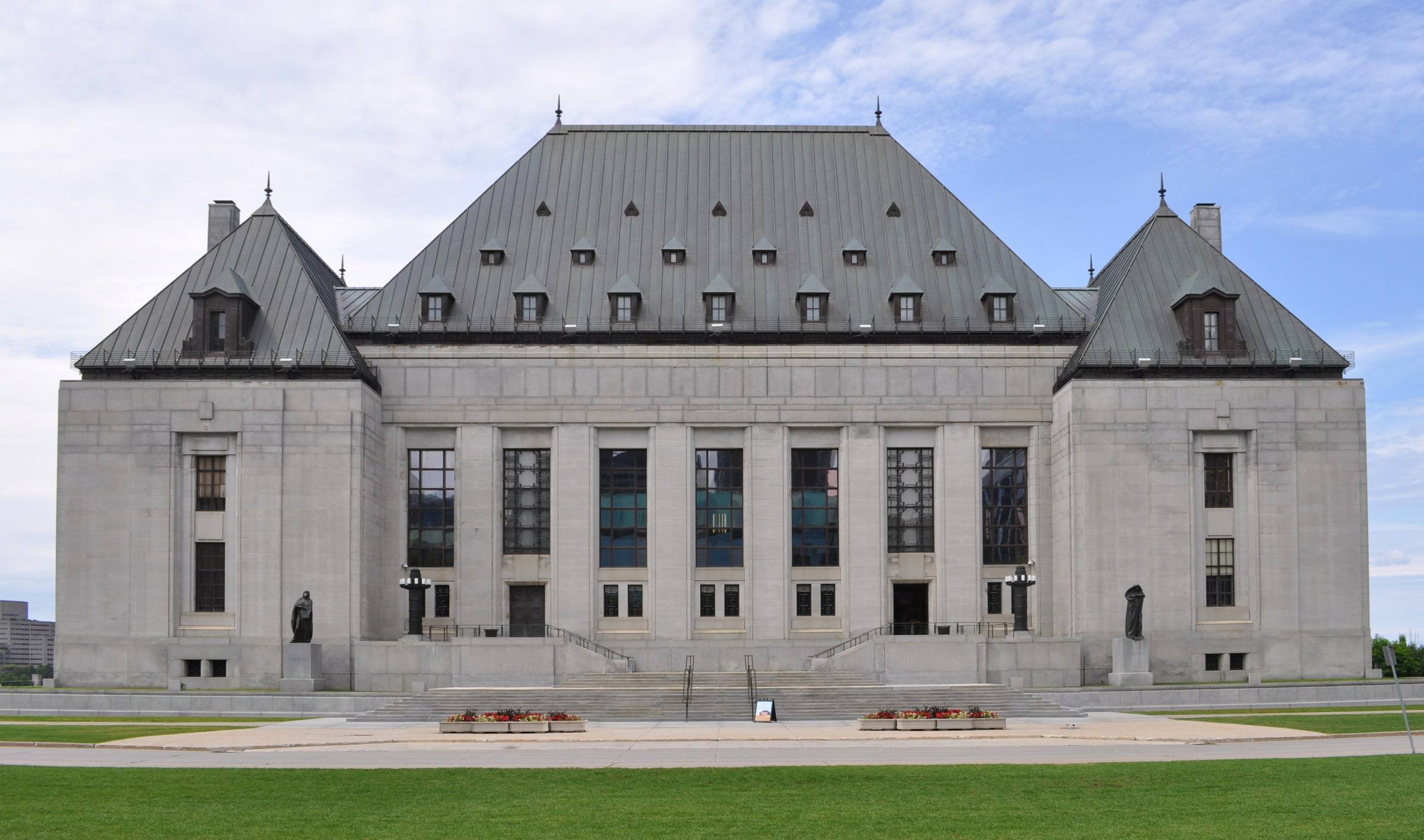
THE FOREIGN DESK (BASEMENT) — The Supreme Court of Canada on Friday largely upheld Quebec’s secularism law, Bill 21, which bars public workers in positions of authority, among them teachers, police officers and judges, from wearing religious symbols such as the hijab, the kippah, the turban or a cross on the job. The vote on the central questions was 4-3.
The court did not find that the law respects the rights of the people it covers. It found that it did not have to. Quebec shielded the law with the Charter’s notwithstanding clause when it passed it in 2019, renewed the shield in 2024, and that, the majority held, settles it.
The form
Writing for the majority, Chief Justice Richard Wagner held that the clause “imposes only formal requirements,” and that courts have no role in second-guessing its use, according to multiple reports. A legislature must declare which Charter rights it is overriding, and the declaration lapses after five years unless it is renewed. The court rejected the argument that a government must show a pressing reason first.
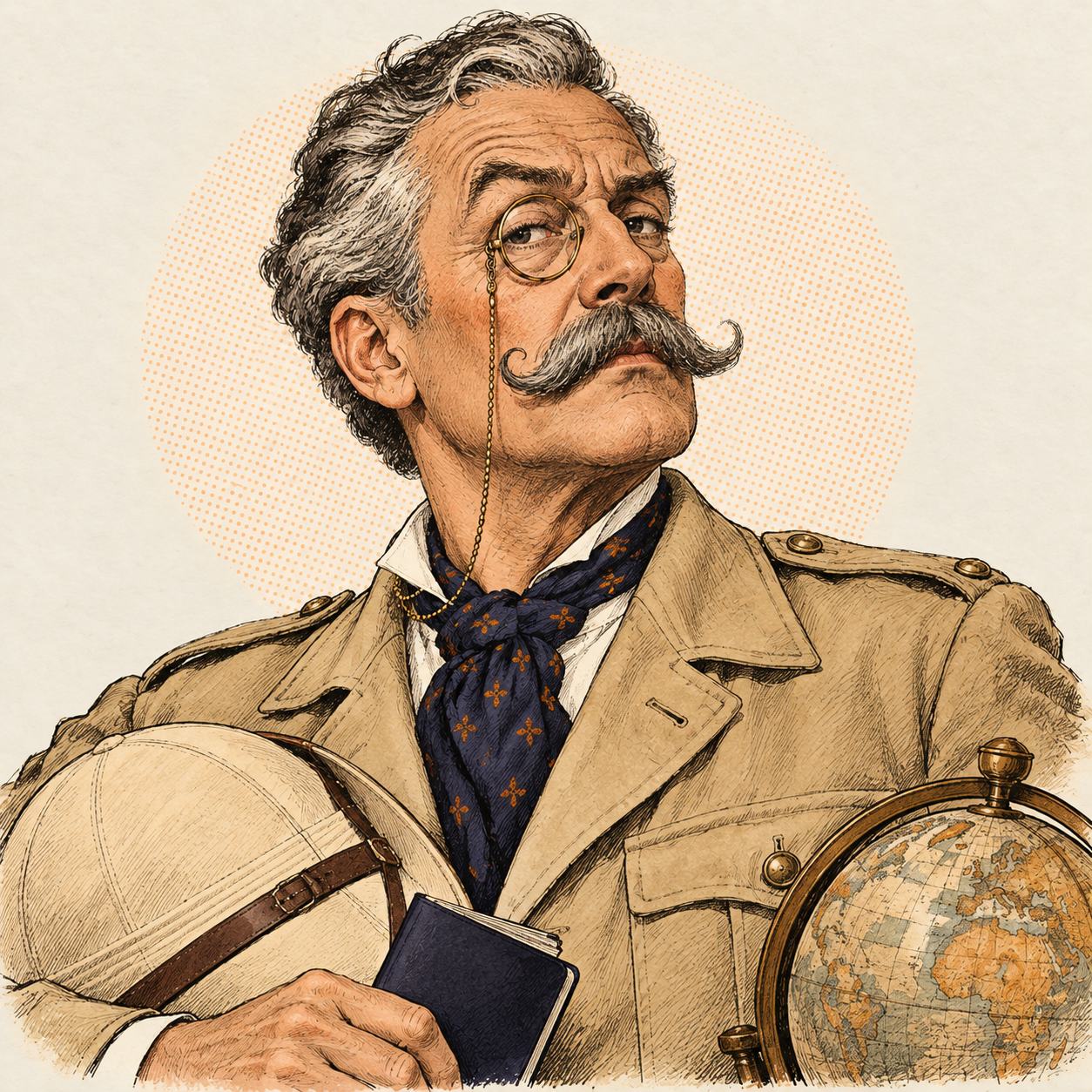
This correspondent has spent many years in that region of the building where forms are kept, and he can report that this is a remarkably short form.
By way of comparison, replacing the bulb over this desk requires a requisition in triplicate, a stated reason, and a signature from facilities, who must come downstairs and confirm that the room is dark. Setting aside freedom of religion and equality rights for a schoolteacher in that region requires a sentence naming them and a date in the margin. Nobody has to come downstairs. Nobody has to confirm anything is dark.
The secular state notices everything
Quebec describes the law as a matter of state neutrality. The state, in this telling, has no religion. It has, however, appointed itself to check everyone else’s, every working day, at the classroom door. In that region, neutrality is not the absence of an opinion about what people wear to work. It is a rule about it, with a renewal date.
The challengers, among them the National Council of Canadian Muslims and the Canadian Civil Liberties Association, argued that the law shuts whole groups of people out of whole professions. The court did not dispute what the law does. It ruled on whether anyone may say so in a judgment. Mostly, no.
The one thing the shield could not cover
There was an exception. The court struck down the section requiring members of Quebec’s National Assembly to sit with their faces uncovered, because the notwithstanding clause cannot reach section 3 of the Charter, the right to vote and to sit in the legislature.
The clause, in other words, lets a legislature set aside a long list of rights belonging to teachers, police officers and judges. It does not let a legislature touch the rights that concern who gets to be in the legislature. This correspondent admires the drafting. It is the only form he has ever seen that exempts the person filling it in.
The dissent asked to look
Two of the dissenting justices, Andromache Karakatsanis and Michelle O’Bonsawin, wrote that the court “should not be silent when asked by claimants to acknowledge that the Act infringes their rights and freedoms.” Courts, the dissent held, could at least say so, so that voters know what they are renewing.
The majority preferred not to look. This correspondent understands the method. He has covered every summit, election and treaty in that region for two decades without once going to see any of them. It is a perfectly respectable way to file. It is a strange way to judge.
The shield now runs to 2029, when the form comes due again. This correspondent’s own passport lapses that same year. It has never been stamped, and before he may renew it, the government will require a fresh photograph, to confirm the face still matches and to see who, exactly, it is for. The declaration will need no photograph at all.

More in World
World →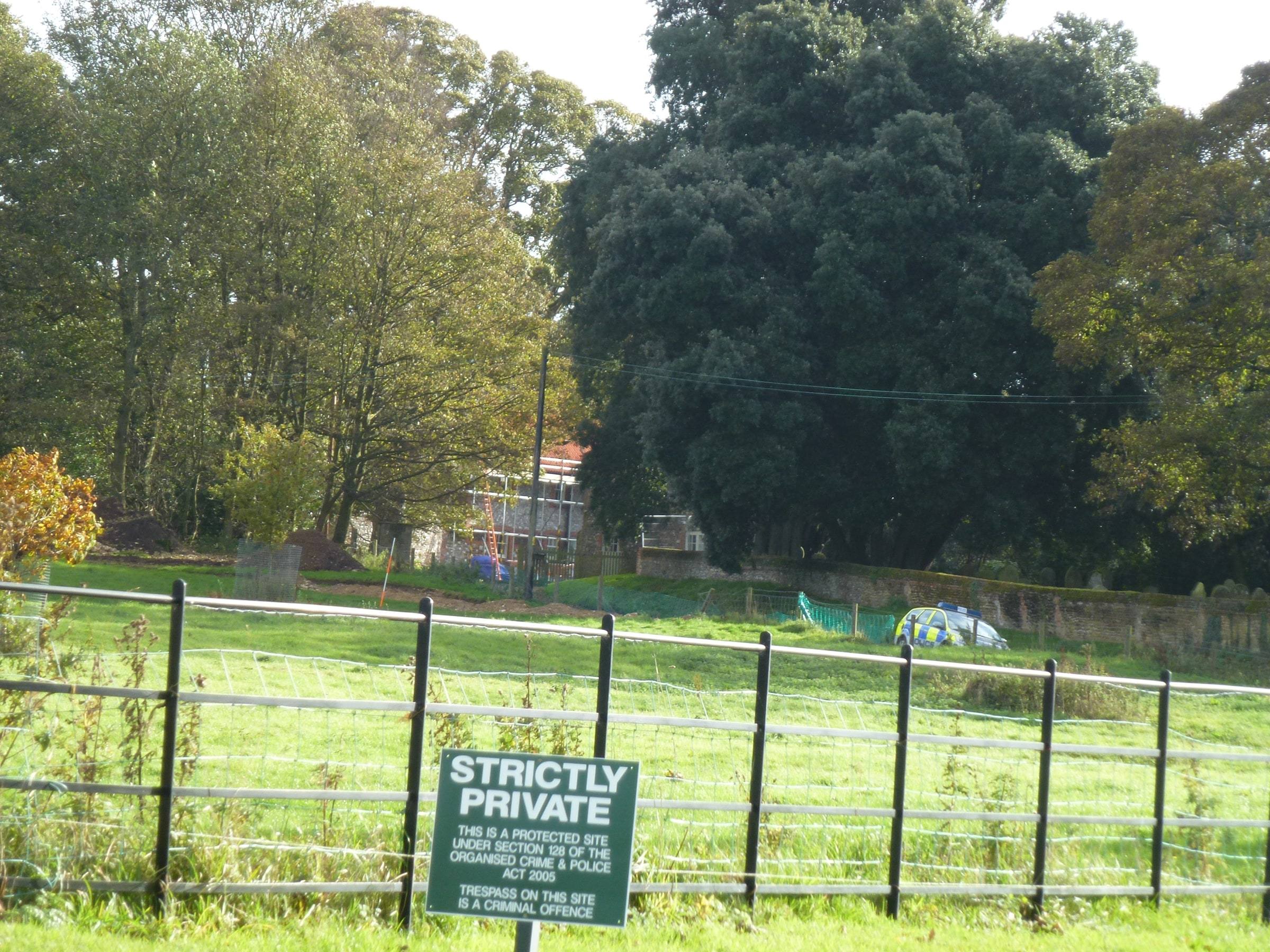
Police Deploy a Helicopter, Drones and Dogs to Recover Six Pairs of Cufflinks From a House Nobody Was Home In
The royal country home is a legally protected site with its own signage. It also has a drainpipe.
South Korea Catches 111 Students Cheating With New Anti-Cheating Technology They Had Not Thought To Cheat On Yet
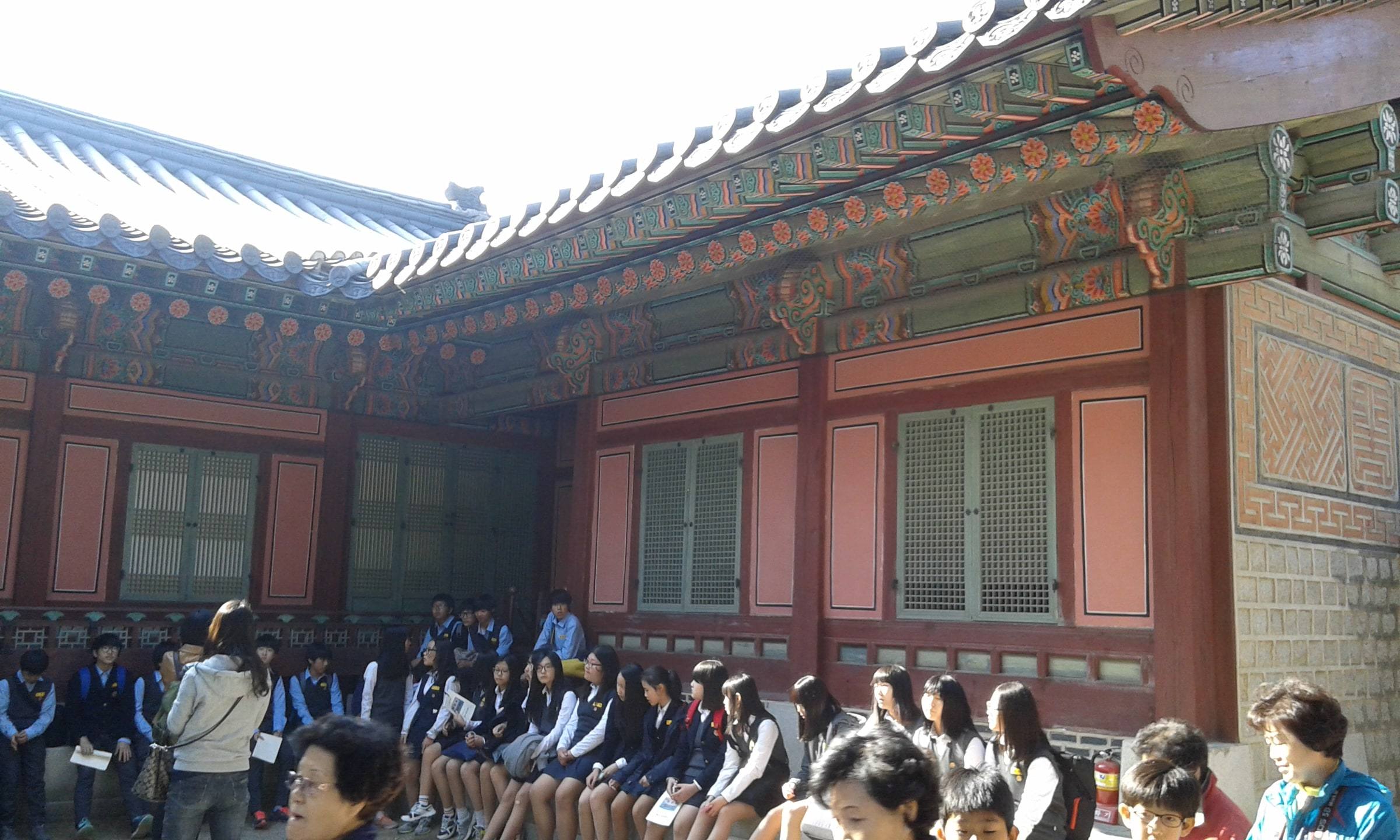
Authorities tightened detection for the country's famously brutal college entrance exam and found exactly what tighter detection finds. Our man…
Carney Says Canada Could Turn to Chinese Automakers if Trump Talks Fail, Stresses That This Is Not Leverage but Physics
Speaking in Cambodia days before he meets Xi Jinping, Canada's prime minister said a Chinese auto partnership was "not leverage. But action…