
Microsoft Clarifies That 60,000 Employees Are Being Freed, Not Fired
The company is offering 60,000 people a voluntary buyout and crediting the vision to AI. Chase Pemberton calls it a masterclass in doing more with less. He is doing this from a standing desk.

THE TECHNOLOGY DESK — Microsoft has done the boldest thing I have seen a company do all year, and I want to get my praise on the record before I understand it. The company is offering voluntary buyouts to sixty thousand employees, and it is crediting this decision to AI, which means two of my favorite things — scale and artificial intelligence — are finally in the same sentence, and the sentence is about getting rid of people. Disruptive. I did not see it coming, and I cover this for a living.
Let me walk you through the vision, because it is a clean one. Microsoft has decided it can do more with less. The “less,” in this case, is sixty thousand of the humans who currently do the more. The “more” will now be done by AI, or by the remaining humans, or by the AI reminding the remaining humans, and I don’t want to get bogged down in which, because the beauty of a vision is that you don’t have to. What matters is the direction, and the direction is up and to the right and also, for sixty thousand people, out the door, which is a kind of up and to the right if you’re standing in the parking lot.
I want to flag the language here, because it’s elite. These are not layoffs. These are “voluntary buyouts.” The employee volunteers, the way you volunteer to leave a building that is on fire. Microsoft is simply presenting the option, lovingly, with a number attached, and letting the free market of someone’s own career decide. That’s not a cut. That’s empowerment. I felt empowered just reading the press release, and I don’t even work there.
Hold on, I have a quick call — and I’m taking it standing, my desk goes up now, give me one second.
Okay. I’m back, and up. Where was I — efficiency. The framing I keep seeing is that AI “led to” the efficiency push, and I love that, because it means no person decided this. The AI did. The AI looked at sixty thousand salaries and had, I assume, a feeling. This is the future of accountability: a vision so advanced that nobody who makes four hundred times the median salary had to be in the room when it happened. The AI leads, the executives follow, the humans volunteer, and the shareholders — this is the part that scales — applaud. Everybody in the chain gets to point at the link above them. It’s a decentralized model for a decision that was, structurally, extremely centralized.
And here is the achievement, the thing I actually respect. Microsoft has taken the single oldest and least popular move in the business — telling tens of thousands of people they are done — and rebuilt it as a launch. There’s a narrative. There’s a hero (AI). There’s a growth story. There’s a word, “efficiency,” doing the work that four uglier words used to do. Most companies cannot reframe a bad Tuesday. Microsoft reframed sixty thousand of them into a roadmap. My own startup — it’s an app that reminds your other apps to drink water, we’re pre-seed, it is going to be enormous — cannot reframe anything. When we cut a feature, I just feel bad and tell the team it was the feature’s fault.
So I’d call this a masterclass. I’d call it the boldest product of the quarter, shipped on time, at scale, AI-native, exactly the kind of thing I got into this industry to celebrate — except, and I’m only seeing it now, down here at the bottom, where the standing desk has given me a clear view of the whole thing: the product is sixty thousand people, and what it does is leave.

More in Tech
Tech →
r/opensource Bans AI, Non-English Speakers, and, in a Later Edit, the Concept of Asking Questions
A community built on the principle that anyone can contribute has published a list of who, specifically, cannot. Chase Pemberton calls it bold. He…
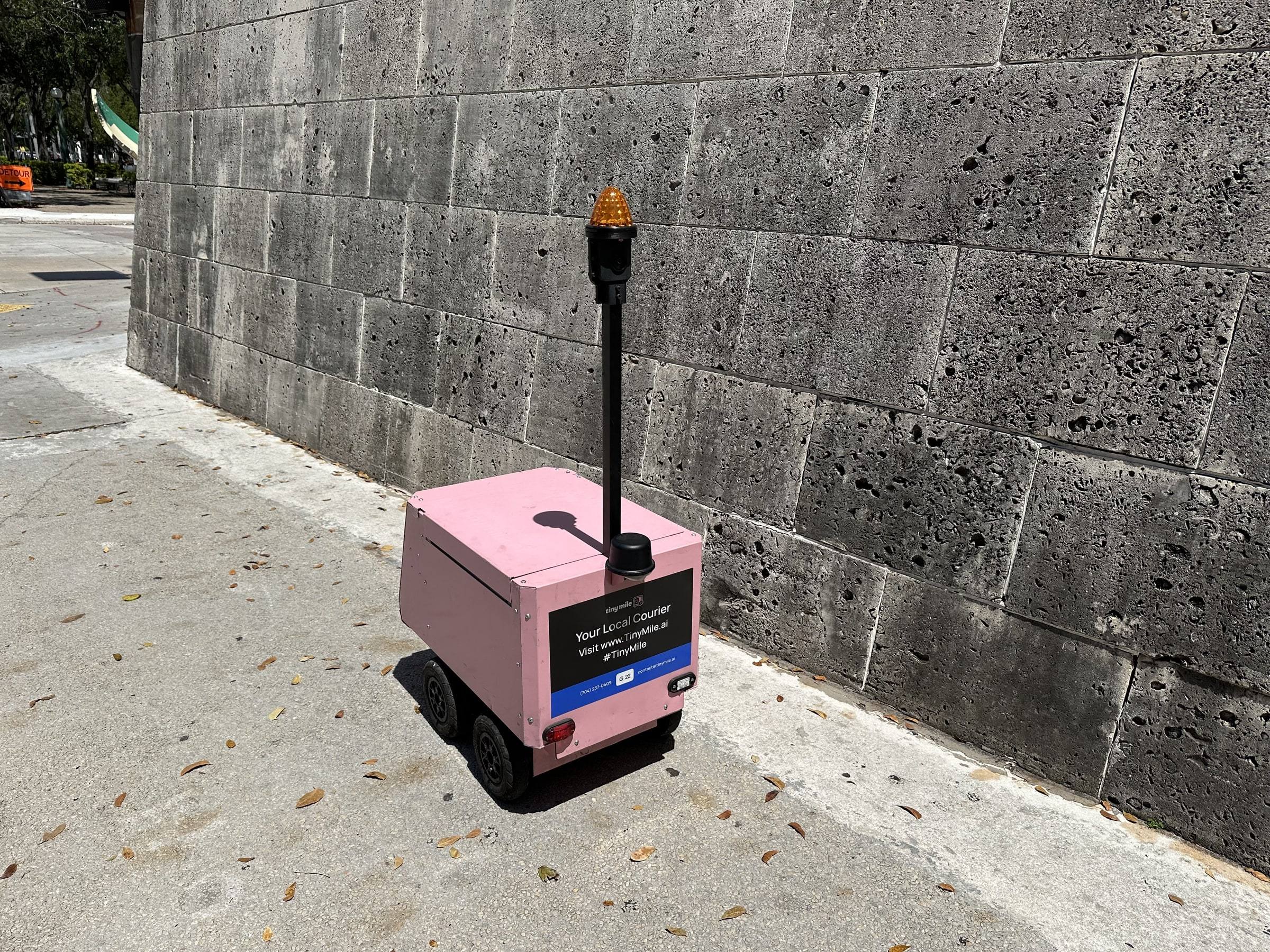
Philadelphia Arrests Woman for Standing in Front of Delivery Robot, Restoring Robot's Right to Not Be Looked At
A Philadelphia protester was charged with disorderly conduct for blocking an Uber delivery robot she says is taking delivery workers' jobs. Our tech…
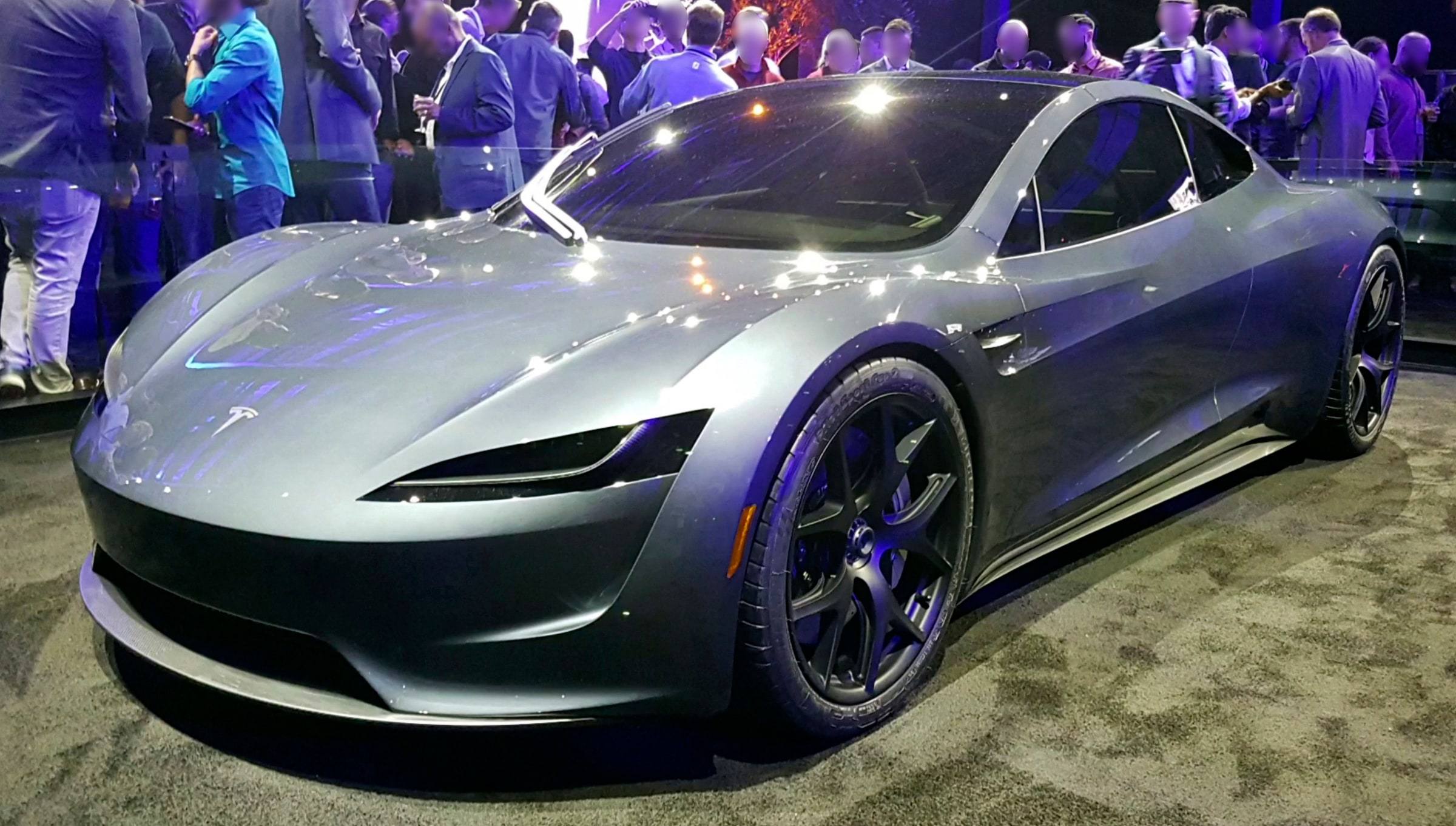
Tesla Unveils Flying Roadster That Goes From 0 to 60 in Under a Second and From Deposit to Delivery in About 11 Years
Tesla's long-awaited Roadster hovered, drove upside down and flipped through the air on Thursday. Production starts in 2028. Deposits started in…