
DoorDash to Acquire Instacart in $17 Billion Deal to Finally Let One App Fail to Deliver Both Your Dinner and Your Groceries
Analysts hail the grocery-and-restaurant delivery merger as a landmark consolidation that will combine two separate sets of service fees, delivery fees, small-order fees, and apology credits into a single, streamlined place to be charged them.

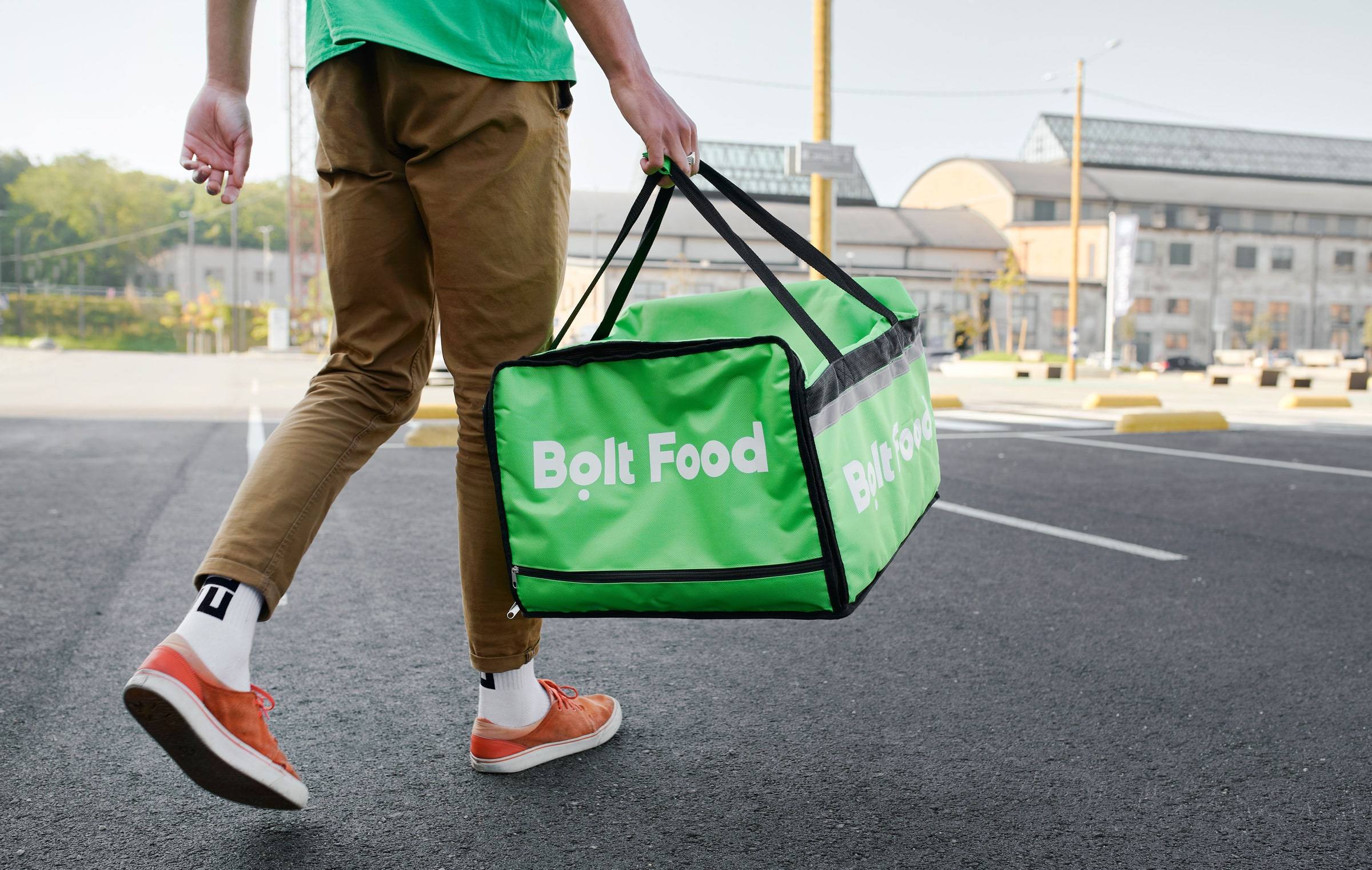
SAN FRANCISCO — DoorDash announced Thursday that it will acquire Instacart in a deal valued at roughly $17 billion, a landmark consolidation of the food-delivery and grocery-delivery industries that executives say will finally allow a single application to fail to deliver both your dinner and your weekly groceries from one convenient interface.
I was up at 4 a.m. reading the term sheet, and I’ll be honest: this is bullish. It is bullish the way a forest fire is bullish for people who sell ash. The combined company will control an unprecedented share of the market for charging you a service fee, a delivery fee, a small-order fee, a busy-area surcharge, and a separate line item that simply says “fees,” then leaving the bag at the wrong building.
“This merger is about the customer,” said a spokesperson for the newly combined entity, which has not yet chosen a name but has already chosen a new fee. “Today, a hungry person has to open one app to have their burrito left at a stranger’s door, and a completely different app to have their milk left at that same stranger’s door. We’re eliminating that friction.”
Industry analysts described the logic as sound. By merging, the two companies can now share a unified back end, a unified driver network, and a unified “Your order has arrived” notification that fires the instant the driver reaches the correct ZIP code, give or take.
“Think of the synergies,” said one market strategist, using the word in its technical sense, meaning “layoffs.” “You had two companies each independently maintaining the ability to not find your apartment number. That’s redundant. Now they’ll not find it together.”
The deal is expected to generate substantial cost savings, which the company has committed to passing along to shareholders and, in the form of a one-time $4 credit that expires in seven days, to the occasional customer who complains in writing.
My own portfolio, which is down 98 percent and therefore basically poised for a historic reversal, does not hold either stock, a position I describe to the two listeners of my podcast — both of whom are me — as “disciplined.” But I like this deal. Consolidation is the natural endpoint of any industry that has discovered it is cheaper to own the complaint than to fix it.
Regulators are expected to review the merger for antitrust concerns, examining whether reducing the number of companies that can mishandle your sushi from two to one constitutes a meaningful loss of consumer choice. The companies argue it does not, on the grounds that the sushi was going to be cold regardless of which logo was on the bag.
“Competition drove both of us to charge more every year,” the spokesperson added. “Imagine what we can accomplish now that we’re not competing.”
The combined company will reportedly retain both apps as separate brands, so that customers may continue to believe they have options. Internally, the two apps will draw from the same drivers, the same restaurants, the same grocers, and the same customer-service script, which consists of the word “understandable” and a link to the help center.
At press time, the merged entity had announced its first joint innovation: a single subscription that, for $12.99 a month, waives the delivery fee on orders over $35 while quietly introducing a new fee on orders under $35, a product it is calling “savings.”

More in Business
Business →
Nelson Peltz Offers $1.4 Billion to Take Wendy's Private, Which Is a Lot to Pay for a Table Where No One Can See You Eat
A group led by activist investor Nelson Peltz has offered $1.4 billion to take Wendy's private at $7.35 a share. Our markets reporter, up since 4…
My Wife Has 80,000 Dollars Saved and I Have 2.2 Million. Am I Wrong to Be, as I Put It, Shocked
A letter arrived at the money desk. The writer wanted absolution. What he got was a markets reporter who considers everything, including this…
Elon Musk Pledges One SpaceX Share to Every American Child, Who Are Advised Not to Spend It Yet
Musk says every U.S. kid gets one of his SpaceX shares next year, about $10.5 billion in all. He did not say how. Our markets reporter has already…